EXTRAS in the MyOlivia app. Check out what’s new!

Of course, we can do a lot more with the My Olivia app. We won’t go into too much detail here. Przypomnimy dziś o EXtrasach. Warto tu zaglądać, by wiedzieć, z jakich zniżek możemy aktualnie skorzystać.


Olivia’s extras in My Olivia

What is it? Special offers, promotions, discounts that can only be used by employees of Olivia companies. To access the Extras, you must have a confirmed Resident Status. Find out how to do it below and keep in mind! We will be developing the Extras option, so it is worth checking here.

We also invite our Service Residents, who have attractive discounts and promotions, to apply to us, we will place them in the application.


Resident status step by step


  • Download the My Olivia app from the App Store or Google Play.
  • Register in the application using your business address (an address in the domain of a company that is located in Olivia).


When registering, use your business address, which is an address in the domain of the company you work for. This is very important, because when you provide your business address during registration, you will be granted the status of Resident automatically as soon as you click on the activation link sent to you to the e-mail address provided during the registration process.


  • If you do not see the activation email in your inbox, first check your SPAM. It happens that this type of correspondence (registration confirmations, orders, purchases) falls into this folder.
  • Search for the activation email by the sender “My Olivia → app@oliviacentre.com”, and if you still don’t have it, write to us on aplikacja@oliviacentre.com.
  • You can also use the contact form available in the application → the “Contact us” option in your MyOlivia panel.


The “Contact us” option in the MyOlivia app


Self-activation of Resident status


  • Go to the MyOlivia app.
  • Then in your user profile, i.e. click on the human icon (upper right corner of the application).
  • Select “Activate Resident Status” and follow the guidelines.
  • Tick the appropriate box: activate the status when you have an address in the company domain (point 1 in the graphic below) or activate the status when you do not have an address in the company domain or the e-mail address provided during registration is your company address (point 2 in the graphic below).


Remark! When applying for the resident status in case 2 (no address in the company domain…), enter the name of the company and the building in which you work/have an office in the “I work in a company…”
window.


  • Resident status should be activated within 3 working days.
  • Remember to click on the activation link that will come to your e-mail address.
  • If the process of self-activation of the Resident status fails, write to: aplikacja@oliviacentre.com

Self-activation of Resident status


MyOlivia app: parking lots and Olivka points
MyOlivia App: discover its features
MyOlivia app: Resident status


Enjoy!


Olivia’s Women’s Day. Creatively, Mindfully, Together

On the occasion of Women’s Day, we invite you, Dear Ladies, to celebrate together. This time in the Olivia Star space. See you on March 5th. As every year, we meet for a while (well, a little longer) to slow down, take a break from everyday duties and have a good time. In addition, you can discover the artist in you!


This year, we have prepared three intimate ceramic workshops, during which each of the participants will create their own, unique object; cup or plate. There will be gluing, molding, decorating with spatulas and letters. The result? A personal souvenir that will stay with you for a long time and will remind you of this day.


Workshop schedule on March 5


Place: 1st floor, Olivia Star

Each session lasts 45 minutes and starts punctually at the appointed time. Please arrive a little earlier.


Organizational information

  • The entrance is through the reception of the Olivia Star building.
  • An identity document must be presented at the reception; Please take it with you.


We wish you a good time, full of inspiration, conversations and the joy of creating.
See you at the workshops!

“After hours”. The second edition of the artistic year at Olivia Star

Art has been an important element of Olivia Centre’s identity for years. As part of the artistic Olivia project, our common spaces become art galleries. Places where emotions, sensitivity and everyday life meet. After the January-February exhibition “Between the horizon and glass”, which opened the year 2026 in the lobby of Olivia Star, we present another exhibition “After Hours”.


This time we invite you to the exhibition “After Hours” prepared by the ArtGranda Association.


“After Hours” is a story about creativity born outside the schedule; after work, after duties, in time reserved exclusively for yourself. These are works created out of an inner need, intuitively, without calculation and without pressure. Imperfect, but sincere. Growing out of mindfulness, emotions and personal experience.


ArtGranda is a group of friends united by a common passion for art and the need to develop talents and inspire others to consciously contact with creativity. In a world dominated by pace, messages and narratives, artists choose their own path – they create without ideological commentary, painting what is really close to them.


In the space of Olivia Star, this exhibition takes on additional meaning. High, glazed interiors, urban rhythm and the daily movement of employees and guests become a natural context for works created in silence, in private time. It is art that does not separate itself from life, it even enters into a dialogue with it.


“After hours” is an invitation to stop. To calmly look at the image, at the emotion, at oneself. We believe that art – even the one created after work – can add courage and beauty to everyday life.


Free admission

The exhibition can be seen until the end of April 2026

Year of Leadership 2026. Read the GFKM report

In a world of cumulative changes, transformation ceases to be a project. It becomes a competence – organizational and leadership. Get to know the “Year of Leadership 2026” report, prepared by our resident, GFKM (Gdańsk Foundation for Management Education). This is the fifth edition of the survey – previously carried out under the name “Year of the Leader” – which provides an in-depth diagnosis of the condition of leadership in Poland year after year.


[DOWNLOAD THE REPORT]


A survey based on data, not sentiment

The report is not a soft opinion survey or a set of general reflections. It is a practical tool for assessing the quality of decisions, operational risks and the resilience of an organization in times of contradiction.


In this year’s edition:

  • 400 leaders from small and medium-sized companies and large organizations were surveyed,
  • In-depth qualitative interviews with managers were carried out, allowing to capture the context and real decision-making mechanisms.


The respondents were asked, among other things, about:

  • effective management in conditions of conflicting expectations,
  • transformations planned for 2026,
  • organizational culture as the foundation for strategy implementation,
  • challenges related to strengthening and motivating teams.


This combination of quantitative and qualitative data allows you to look at leadership not only through the prism of declarations, but through real decision-making experience.


Diagnosis of 2025 and forecast for 2026

The report shows that 2025 – despite the increase in operating costs – was seen as a time of relative stability. At the same time, leaders point out that the key challenge is no longer individual goals, but the efficiency of the entire organization is becoming one.


The conclusions are unambiguous:

  1. Effective change is not just about implementing it, but about involving people in its design,
  2. Organizational culture is becoming a real test of agency – although most leaders declare their support for the strategy, as many as 91% of companies have difficulty translating values into everyday practice,
  3. The year 2026 promises to be a time of accumulation of change, which means that leadership competencies will be defined primarily by the ability to guide people through the transformation process.


The report answers key questions:

  • How do leaders sum up 2025 – what was the biggest challenge and what was the disappointment?
  • What are their hopes, fears and priorities for 2026?
  • In which areas of development do they see an advantage in the coming year?
  • What – despite the tensions – fills them with optimism?


Eight Pillars of Leadership and Recommendations

The report organizes the conclusions around the eight pillars of leadership that define the effectiveness of transformation and the quality of decisions in organizations in 2026. Each of the pillars has been supplemented with specific implementation recommendations.


Importantly, the report contains separate indications for management boards, middle managers and HR departments, taking into account their different perspectives, scope of responsibilities and impact on organizational culture. Thanks to this, the publication is not only a diagnosis, but also a practical map of activities for the entire management structure.


[DOWNLOAD THE REPORT]


Presentation at the Olivia Centre

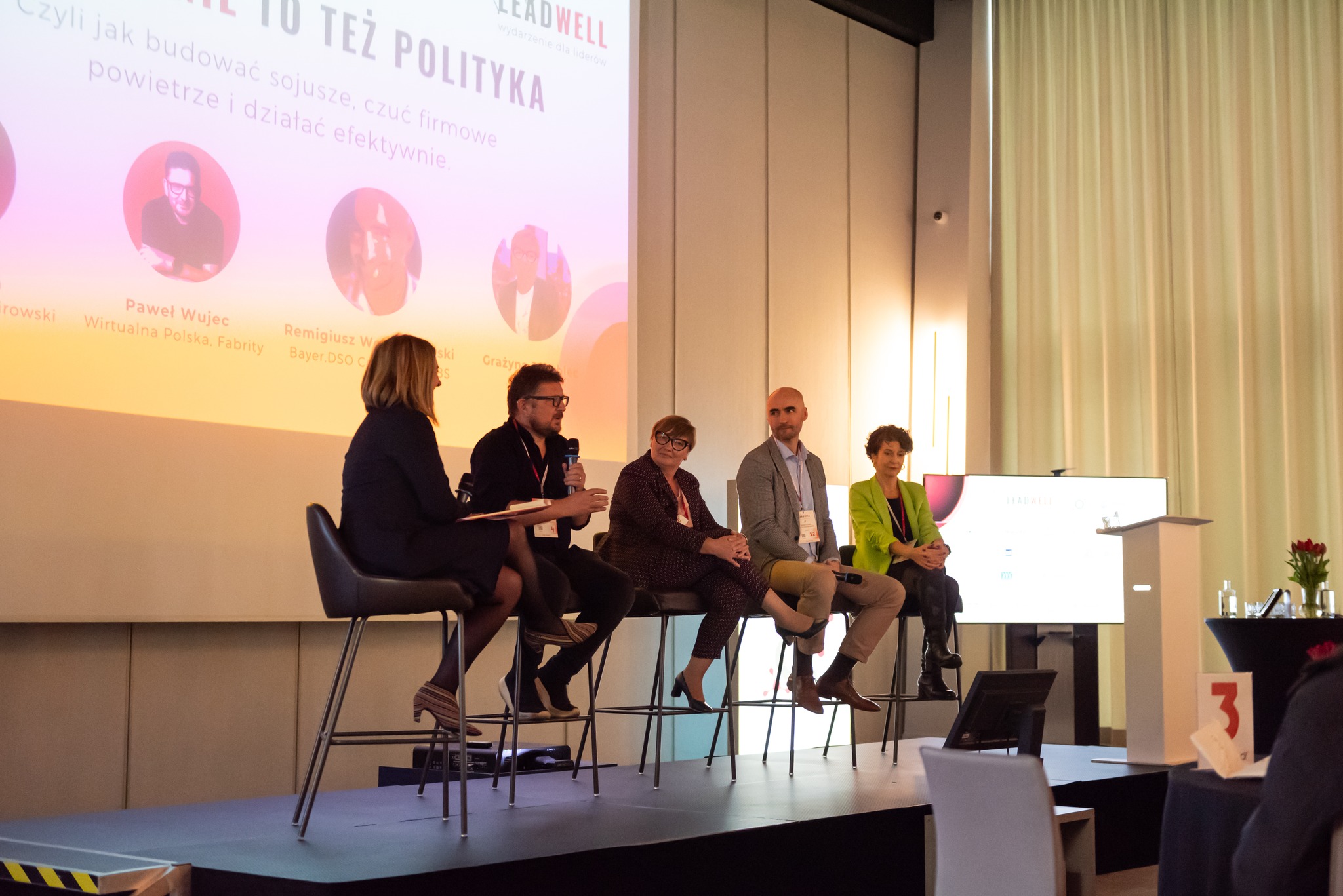
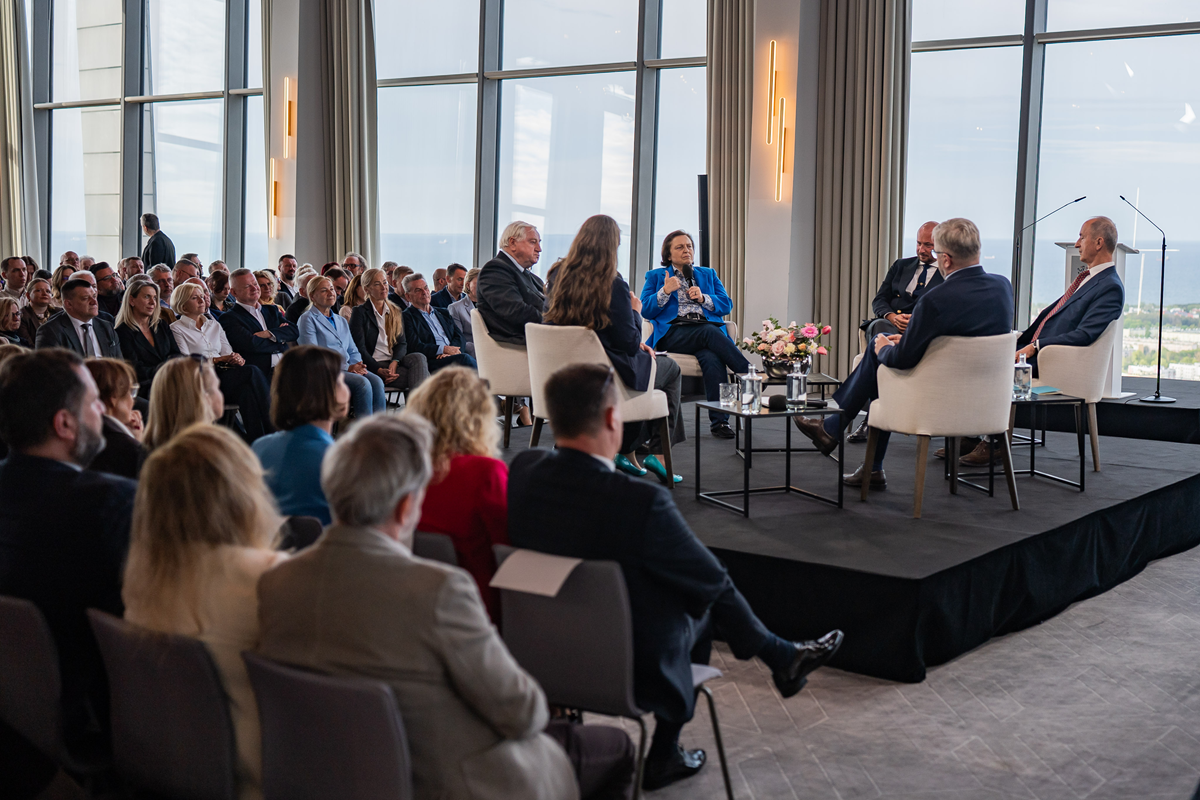
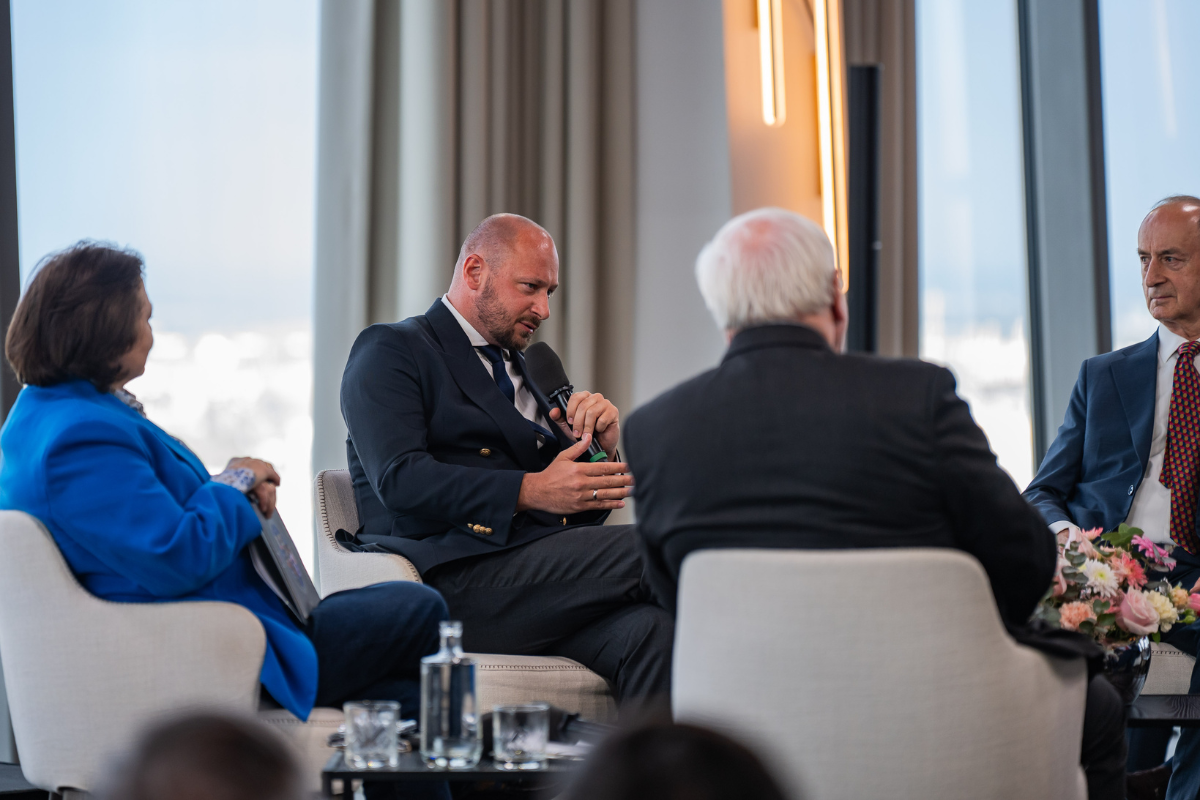
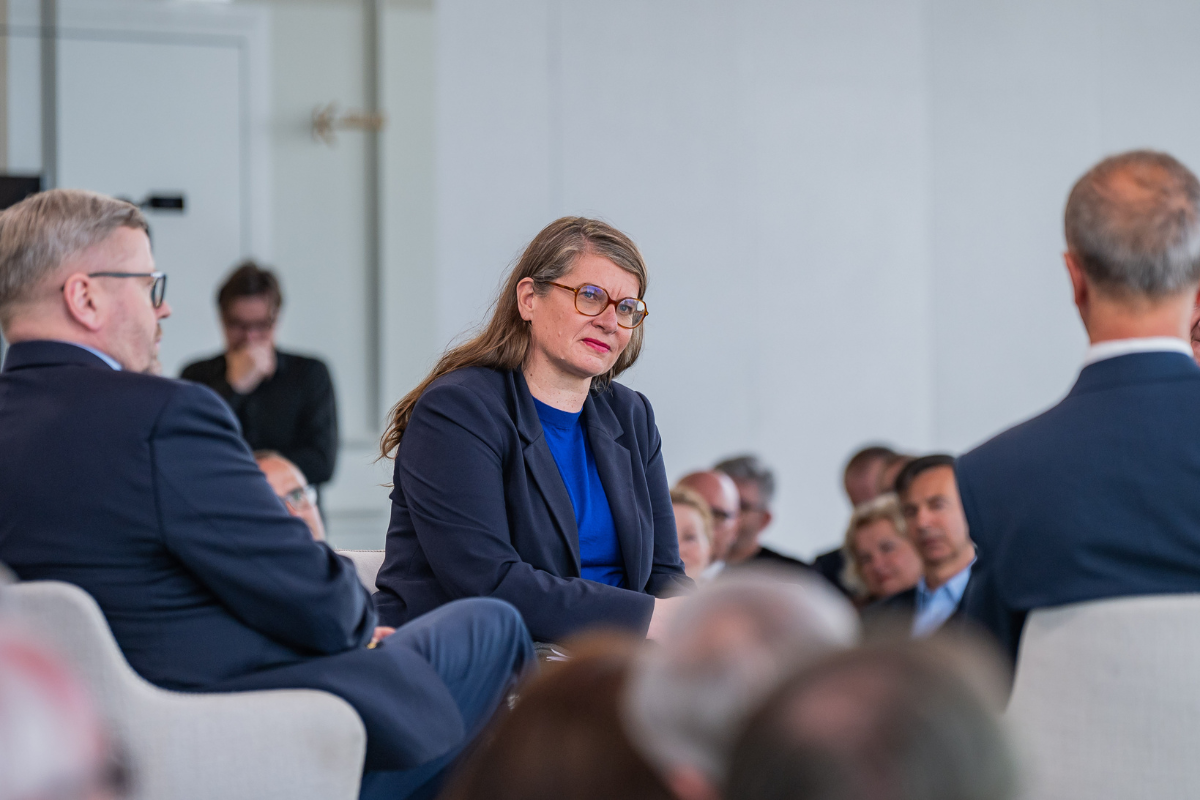
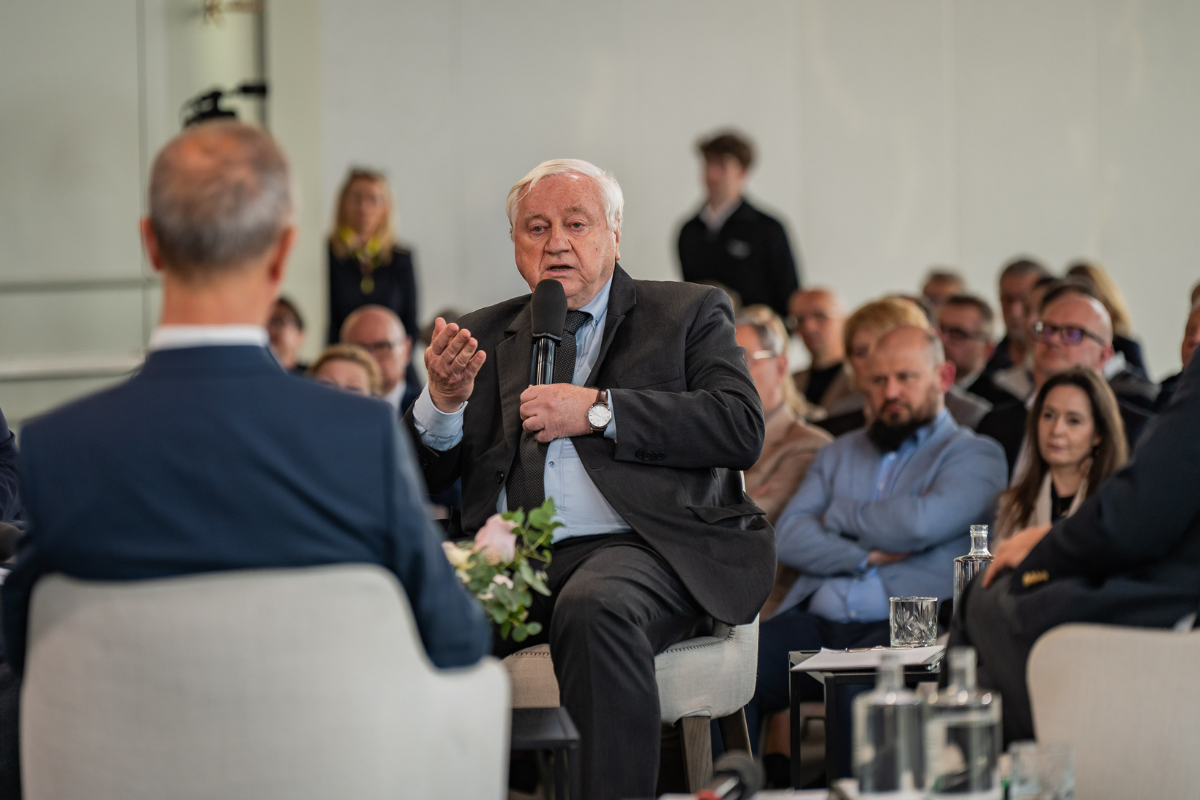
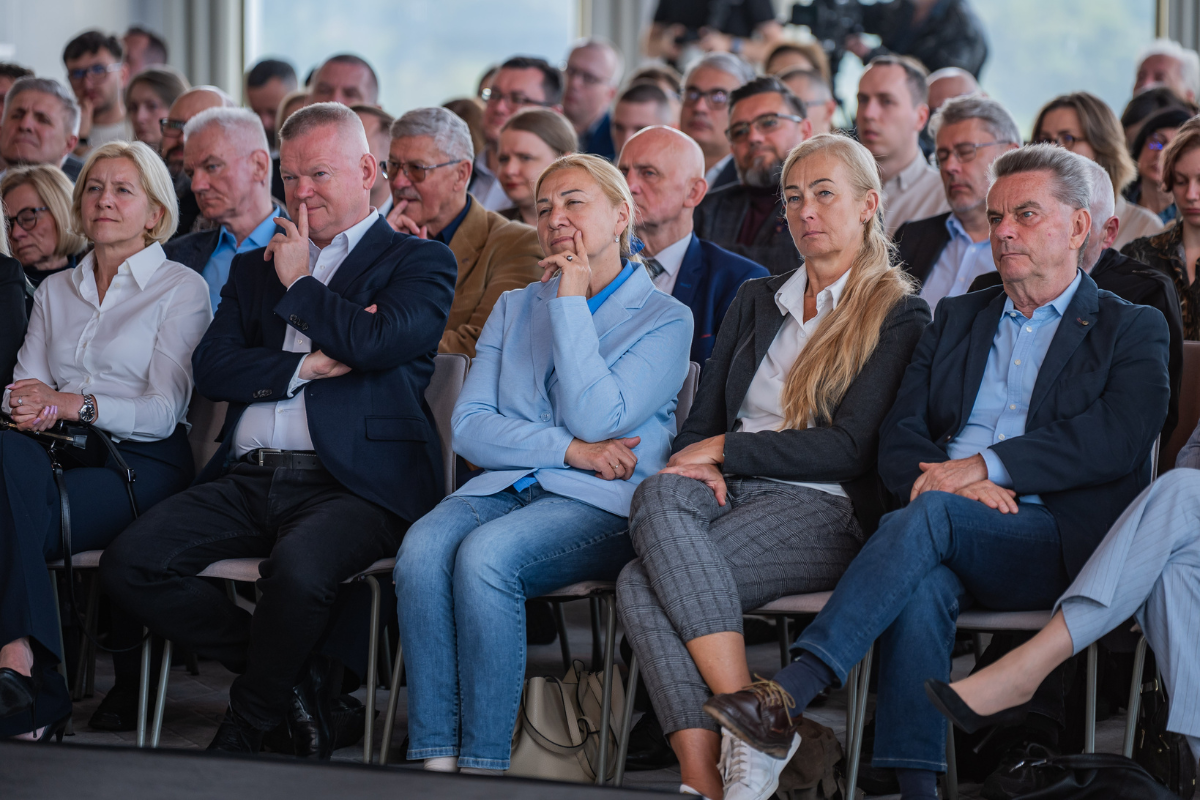
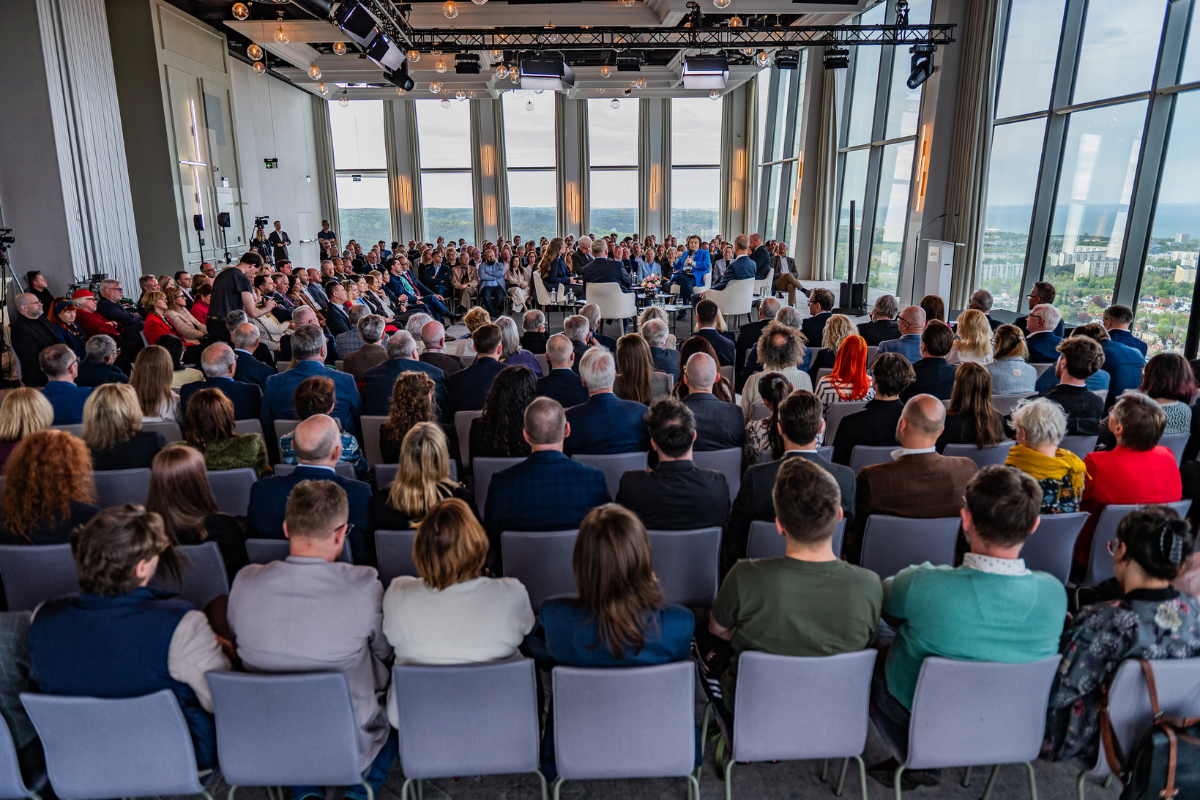
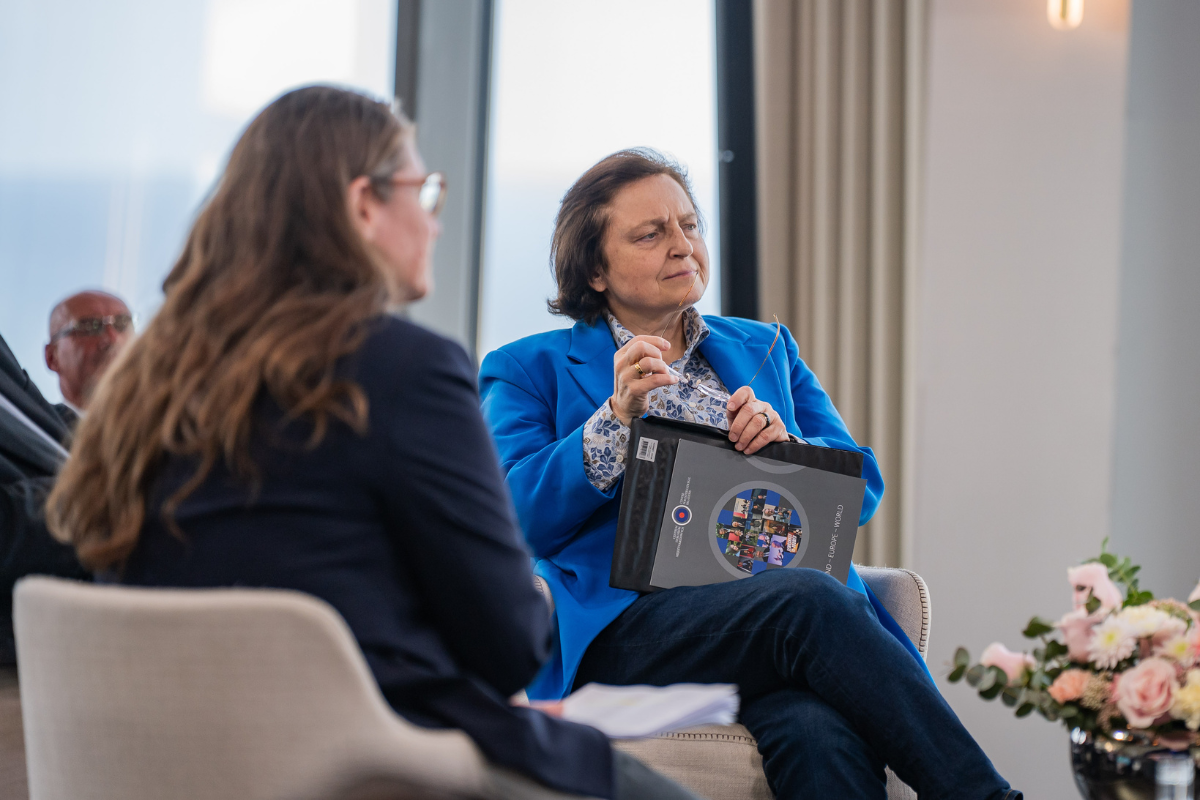
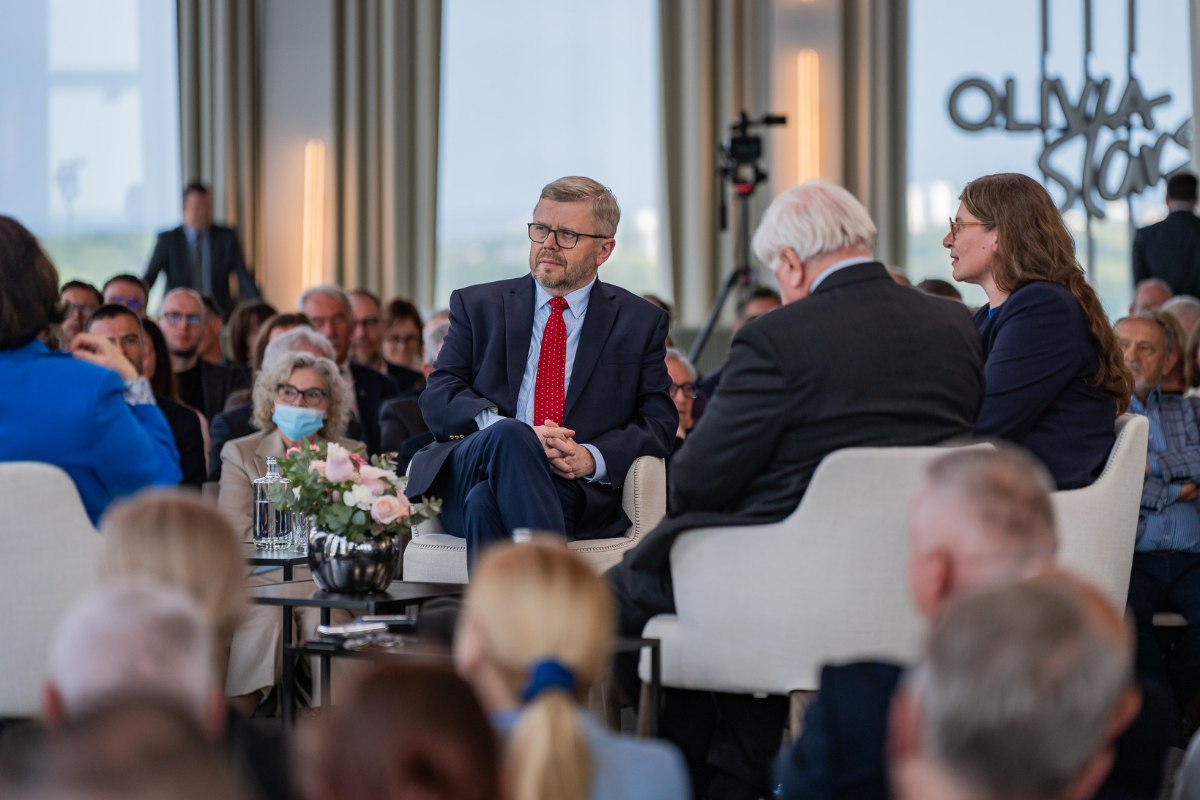
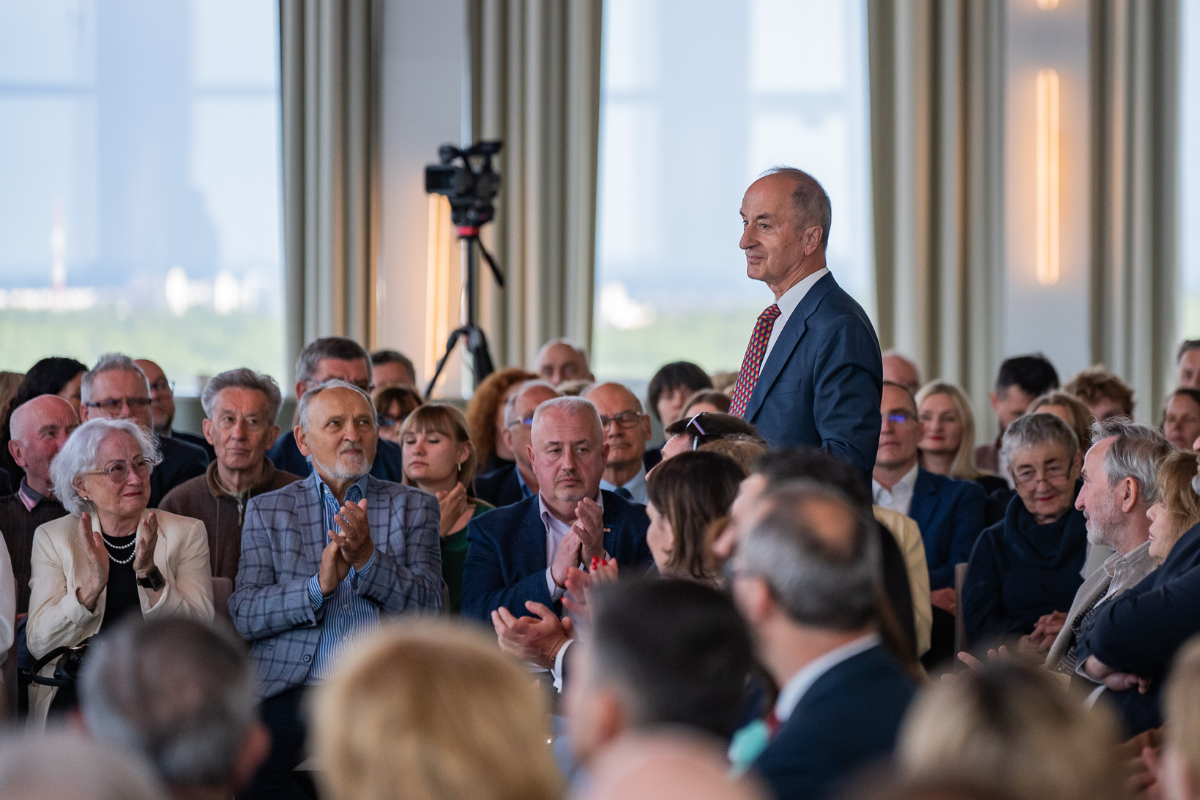
The conclusions of the report were presented during the 34. Meetings of the Olivia Centre HR Club, becoming a starting point for discussions about the quality of decisions, organizational culture and the readiness of companies to lead people through change.


The meeting showed that there is a growing need in the business environment to talk about leadership understood not as a position, but as the ability to build agency, resilience and effectiveness under pressure.


How to build an advantage in times of contradiction? What competencies do leaders need in 2026? You will find the answers in the “Year of Leadership 2026” report.


[DOWNLOAD THE REPORT]


Olivia Centre welcomes new medical centre

“Harmonia” Mental Health Clinics are a type of facilities of the LUX MED Group developed throughout the country. Patients of all ages will find help in mental health and personal development.


The development of the Harmonia clinic network is related to the growing needs, but also to social awareness in the field of mental well-being and care for one’s own well-being and the well-being of loved ones. In the new facility, patients can take advantage of the advice of psychiatrists, psychologists, neuropsychologists, sexologists, psychodieticians and speech therapists. It hosts individual, couples and family consultations, both in the form of stationary visits and in the form of video consultations and telephone consultations. The facility also offers psychological diagnostics, cognitive functioning tests, as well as diagnoses of ADHD, the autism spectrum in both children and adults.

Located on the first floor of Olivia’s newest building, Olivia Prime, the facility is designed to support therapy and improve the well-being of patients and staff: filled with bright colours, wood, plants and comfort-enhancing soft upholstery fabrics for the sofas and armchairs. The architectural office Design Anatomy was responsible for the detailed design of the facility, and the implementation was on the side of Construction Plus.


– Renting space in Olivia Centre is another important investment for us. We are all the more pleased to be present in the complex at Grunwaldzka Avenue, as it is the first facility of the LUX MED Group network of Mental Health Clinics “Harmonia” in the Tri-City. We wanted a well-connected location that was easily accessible to patients, while offering a modern, friendly infrastructure. Olivia Prime fully meets these expectations by providing a space designed to support the treatment process – both functionally and aesthetically. We are convinced that the presence of “Harmonia” in Olivia will make a real contribution to improving the availability of professional mental health care and increasing the comfort of patients using the services of our Group – says Robert Kalota, Director of the Investment and Administration Department of the LUX MED Group.


– A wide range of medical services and diagnostics broadens our attractiveness not only for employees of companies with their offices in Olivia, but for every resident of the Tri-City – says Bogusław Wieczorek, Olivia’s Board Representative.The “Harmonia” Mental Health Clinic, the leader of private health services in Poland, of the LUX MED Group, is another medical facility in Olivia. Previously, the inhabitants of the Tri-City could use the medical offer of two Medicover facilities, as well as a pharmacy. This is part of our policy of providing not only high-quality space for doing business, but also well-being – this is what the largest botanical garden in Pomerania, Olivia Garden, which offers places for meetings, quiet work and relaxation among majestic greenery, but also a two-storey fitness club, numerous sports clubs, the development of passion and social integration. We also support local initiatives that improve the quality of life in Oliwa, the district of Gdańsk where Olivia is located, so I am pleased to emphasize that we are part of the living social organism of the entire Tri-City.

Fig. Lux Med’s own materials

Gdynia is 100 years old!

On February 10, 2026, exactly 100 years have passed since Gdynia was granted city rights. This is one of the fastest and most symbolic urban development stories in Poland: a small town on the Bay of Gdańsk has become a modern city-port, designed “from scratch” and oriented towards the future.


The foundation: the port and the state project of modernity

Gdynia in the Second Republic of Poland became a response to the real need for Polish independent access to the sea. The construction of the temporary port began in the spring of 1921, and the formal beginning of the Port of Gdynia is the Sejm Act of 23 September 1922 – it was the port that initiated the demographic, infrastructural and economic development of the city.


It is most often said that Gdynia was “designed” by Eugeniusz Kwiatkowski. In fact, he was a strategist and architect of ideas – a man who determined the creation of the city-port, provided political and financial support for the investment, and gave it a symbolic dimension of modern Polish. However, the actual spatial shape of Gdynia was developed by a team of urban planners and architects, primarily:

  • Roman Feliński – chief planner of Gdynia’s development in the 1920s and 1930s; co-creator of a clear layout of streets, relations between the center and the waterfront and the logical division of the city into port, residential and representative functions.
  • Adam Kuncewicz – co-responsible for the concept of spatial development and the connection of the city with the port facilities.

They were the ones who made Gdynia not a chaotic investment entity, but a coherent urban organism, where the port, downtown and residential districts complemented each other.

@jkszphotography | freepik


An icon of interwar modernism

The centre of Gdynia is unique on a European scale as a coherent ensemble of modernist interwar architecture. In 2015 the modernist centre of Gdynia was declared a Monument of History; In the official materials of the city, m.in scale of the area (approx. 88 ha) and the number of facilities (approx. 450 buildings) are emphasized.


Characteristic features of Gdynia’s modernism are:

  • simple, geometric solids,
  • horizontal window strips (so-called “ship windows”),
  • corners emphasized by semicircular towers,
  • terraces, loggias and glazed staircases,
  • Aesthetics inspired by ship architecture and functionalism.


The most important buildings and their creators

  • The Sailor’s House (1937–1938) – designed by Jerzy Müller
    An icon of Gdynia’s modernism over Kościuszko Square; A light, horizontal body with characteristic window strips and a maritime character.
  • Tenement house of Bank Gospodarstwa Krajowego (1936) – design. Zbigniew Kupiec, Stefan Reychman
    The monumental and at the same time elegant façade at 10 Februara Street is an example of institutional modernism of the highest class.
  • Bank Polish (1930–1931) – designed by Wacław Tomaszewski, Jerzy Müller
    A building combining functionalism with representativeness; One of the best composed facilities in the city centre.
  • PLO building (1937–1939) – designed by Zbigniew Kupiec
    A symbol of the maritime character of the city — simple, rhythmic, modern.
  • Tenement house at 26–28 Abrahama Street (1936) – designed by Tadeusz Jędrzejewski
    An exemplary example of a modernist tenement house in Gdynia with a corner accent and a “ship” detail.


The entire downtown complex shows that Gdynia was not only a port city, but also a laboratory of modern architecture, where Polish architects tested European ideas of functionalism and modernism.


A city of culture and major events

Over the decades, Gdynia has built a brand of a city of festivals and ambitious initiatives:

  • Polish Film Festival in Gdynia (FPFF) – the most important celebration of Polish cinema; the festival started in 1974 and was moved to Gdynia in 1987.
  • Open’er Festival – one of the largest music events in the region, organized in Gdynia and the municipality of Kosakowo (Gdynia-Kosakowo Airport); The 2026 edition is announced on the official website of the event.
  • Gdynia Design Days – a festival of design and urban innovation (in recent editions with a program of exhibitions, debates and installations).


Marine DNA: symbols and places that “make” Gdynia

The image of the city is also built by institutions and facilities that talk about the sea and mobility:

  • Emigration Museum – opened on 16 May 2015 in the historic Maritime Station; tells about the experience of departures and returns of Poles.
  • ORP “Błyskawica” – since 1976 it has been functioning as a museum ship (within the structures of the Naval Museum).
  • Gdynia Aquarium – has been operating since 1971 and is one of the most recognizable educational attractions of the city.


100th anniversary as an excuse to tell the story of the city anew

In the communication about the jubilee, there is a thought that “it began with the sea”, and the celebrations are to last not only one day, but throughout the year – as a joint celebration of residents and guests.


Sources:

Gdynia.pl

The history of Gdynia in a nutshell

PortalMorski.pl

History of the construction of the port: Gdynia City Museum; Port Gdynia

Gdynia City of Modernism

Gdynia Aquarium

Histroria.org

Trojmiasto.pl “Gdynia as you don’t know it”

Beautiful modernism: Bankowiec, or a residential complex in Gdynia

Interview: rethink, redesign, reuse

We talk to Anna Branicka from Design Anatomy about designing in the spirit of zero waste and the EPA award received for the design of the Bayer office in Gdańsk’s Olivia Centre.


You have won another international award for office design. This time, it is a project in the spirit of Less waste, prepared for Bayer. What makes this project stand out?
Anna Branicka: Our common goal was to adapt the premises to the changing needs and expectations of employees. The project was implemented as part of Bayer’s Next Normal Office Concept. Implementation in the spirit of less waste allowed us to optimize the costs of modernization, which did not affect the style and quality in any way. It’s an approach to design in the spirit of smart: rethink, redesign, reuse.


The Next Normal Office Concept is a new standard for the entire Bayer Group, so what is the leitmotif of this direction?
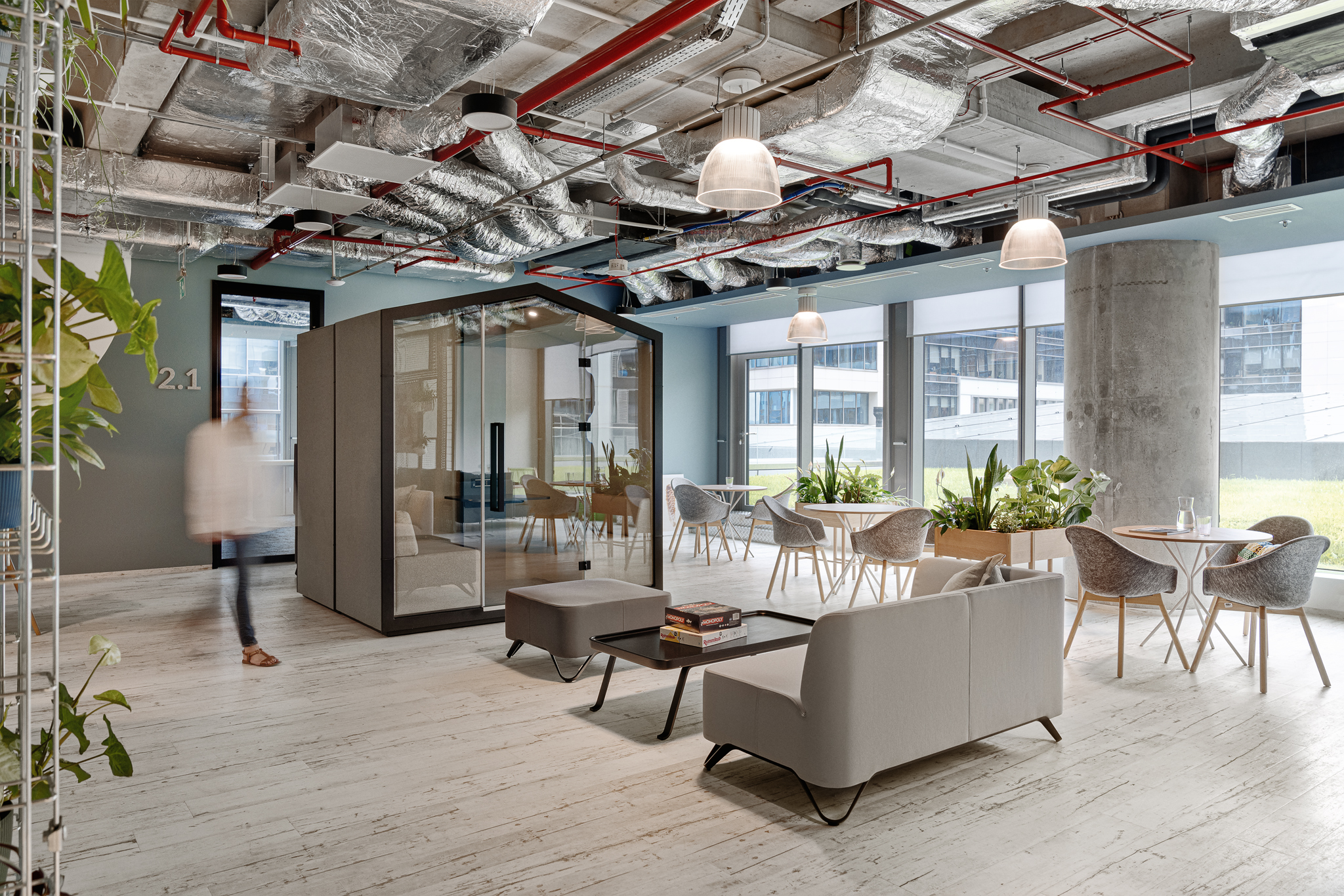
It is a global, well-being-oriented strategy that aims to create a flexible work environment, adapted as best as possible to the changing rhythm of employee activity. Based on the new standard, we have made numerous changes to the functionality of the office, while maintaining the existing layout of walls and ceilings. The open space has been divided into smaller, more intimate zones, which is conducive to effective individual work, but also communication and cooperation in teams. Private offices have been redesigned in favor of more flexible and accessible spaces that are conducive to various forms of work and relaxation. The newly designed spaces include quiet work rooms, relax rooms providing a place to relax and recharge batteries, and snooze rooms allowing employees to take a short nap during the day. All this to improve the comfort of work, concentration and well-being of employees.


At the same time, the offices have gained a completely new style, related to the place where the offices and the entire Olivia Centre are located.
Yes, the main theme of the project is references to the historic Gdańsk district where the office is located. Oliwa is a district full of historical buildings, parks, cobbled streets and tenement houses with terracotta roofs, wooden verandas. That is why we used a wide range of warm reds and greens in the design of the office, referring to the surrounding landscape. We introduced vegetation in custom-designed pots to create soft transitions between zones and give the space an organic rhythm. We took care of solutions that improve the comfort of work, we equipped the space with acoustic booths, wall panels and openwork partitions separating individual work zones or carpets with high acoustic parameters. The office has become more functional, friendly and full of harmony.


One of the most interesting directions of this project is designing in the spirit of less waste. Where did the inspiration for design come from, allowing for the reuse of previously available resources?
We live in a world of increasingly rapid change. We observe the pace at which the style of work is changing, how important it is to be flexible in building teams for specific projects, and thus adapting the workspace. At Design Anatomy, we feel how much responsibility designers and engineers have for the footprint that their projects leave. Less waste is a natural, organic direction for us – resulting from respect for the existing tissue, materials and the environment. That’s why we always analyze each project very carefully, looking for elements that we can reuse and give them new value. In this way, we create spaces that are sustainable, and at the same time as aesthetic and functional as those created from scratch.

So what solutions did you use?
We have kept most of the elements such as walls, ceilings, a significant part of the installation. We refreshed and reused the door joinery, stairs, some of the furniture, acoustic panels. We have introduced modular mobile solutions that allow for future changes, without generating excessive waste. Carefully selected materials – with high durability and natural aesthetics – have given the space a new quality without losing its economical form.


What are the benefits for investors? Can they be translated into numbers? How much more would such a rearrangement cost if it were not made in the spirit of less waste?
I think that in the case of a full replacement of buildings and equipment, the additional costs could reach a dozen or even several dozen percent. But it is worth mentioning that this is not a simple calculation. While the preservation of walls, ceilings and installations brings measurable savings, in the case of elements undergoing renovation or alteration, we often balance on the edge of profitability. They need to be dismantled, taken to a workshop, refurbished, and then brought back and reinstalled. At a time when it is increasingly difficult to find a good professional, the costs of working hours and service are increasing significantly, it could be worthwhile to dispose of the old door and order a new one with delivery. Fortunately, in the less waste philosophy, we do not focus only on financial savings, we look more broadly at caring for the environment, and here the benefits are indisputable.


From the information I have been able to obtain, I know that this project has become a model solution that finds new imitators in other offices?
We receive information that representatives of other companies are very curious about this project and often ask for details during their visits. We even heard from Bayer employees that they have already specialized in touring the office and presenting individual solutions in the spirit of less waste. We are glad that they feel good in the remodeled office and feel better in it. For us, there could be no better feedback. Such assessments make us all the more confident in designing more environmentally responsible workspaces.


What are you working on now?
Currently, we are implementing several projects that continue the direction of responsible design – both offices and public spaces. We explore the subject of modularity and longevity of materials, we work on interiors that correspond to modern work rhythms and the need for closeness to nature. We believe that the future belongs to flexible spaces, created with respect for existing resources – and in this spirit we develop our next projects.


Design Anatomy is an architectural office that has been awarded many times in Polish and international competitions, which has in its portfolio the implementation of projects of over 200 thousand. m.kw. offices, an observation deck on the 32nd floor of Olivia Star, a conference space on its 34th floor, as well as numerous architectural and interior design projects for buildings located throughout the Tri-City.

Meeting with Aneta Oniszczuk-Jastrząbek

It was a wonderful evening. In the lobby of Olivia Star, an author’s meeting with Aneta Oniszczuk-Jastrząbek took place, full of conversations about art, emotions and looking at the city from a completely new perspective. Thank you to everyone who was with us.


The exhibition “Between the Horizon and the Glass” can be seen in the lobby of Olivia Star until February 15.
Admission!


For the exhibition “Between the Horizon and the Glass” , the starting point is a view from above – of the 32. Floors Olivia Star. It is from here that Gdańsk is fully revealed: the sea, moraine forests waving on the horizon, dense city buildings and cranes; a sign of its history and identity. This perspective places man between two worlds: the material, technological, dominated by glass and construction, and the world of nature, light and open space. In January and February, in the lobby of Olivia Star, we present the works of Aneta Iwona Oniszczuk-Jastrząbek – an artist professionally associated with the University of Gdańsk. Her work, inspired by contemporary painting, abstraction and minimalism, is a record of personal experiences and a subjective interpretation of reality, without attachment to one style. Oniszczuk-Jastrząbek has always had a natural ease of drawing and painting, but she consciously developed this passion in 2012. After a short break, the artist returned to intensive creative activity in 2019, in parallel with her professional work as the Vice-Rector for Informatization and Internationalization at the University of Gdańsk.


More about the exhibition

More about the author

Fig. Maciej Roszkowski, welovephoto.pl

Art that happens in between. An artistic year in Olivia

Art has been an important element of Olivia Centre’s identity for years. As part of the artistic Olivia project, the common spaces of our center become a natural background for creative narratives. A place where architecture meets emotion, and a work of art perfectly harmonizes with the urban rhythm. The works presented in Olivia do not function in isolation from everyday life. On the contrary, they enter into a dialogue with it, inviting us to reflect on the contemporary world, the city and the nature of man.


We are opening the year 2026. Between the horizon and the glass

We are opening the year 2026 with the exhibition “Between the Horizon and Glass”, the starting point of which is a view from above – of the 32. Floors Olivia Star. It is from here that Gdańsk is fully revealed: the sea, moraine forests waving on the horizon, dense city buildings and cranes; a sign of its history and identity. This perspective places man between two worlds: the material, technological, dominated by glass and construction, and the world of nature, light and open space. In January and February, in the lobby of Olivia Star, we present the works of Aneta Iwona Oniszczuk-Jastrząbek – an artist professionally associated with the University of Gdańsk. Her work, inspired by contemporary painting, abstraction and minimalism, is a record of personal experiences and a subjective interpretation of reality, without attachment to one style. Oniszczuk-Jastrząbek has always had a natural ease of drawing and painting, but she consciously developed this passion in 2012. After a short break, the artist returned to intensive creative activity in 2019, in parallel with her professional work as the Vice-Rector for Informatization and Internationalization at the University of Gdańsk.


We invite you to an author’s meeting

In connection with the exhibition, we cordially invite you to an author’s meeting with Aneta Oniszczuk-Jastrząbek. During a unique evening at Olivia Star, we will immerse ourselves in the world of the Artist. We will learn about the genesis of her works, discover inspirations, explore the creative process. In a fascinating conversation about art, emotions and meanings, we will try to discover what is hidden between color, light and gesture.


21 January | hrs 18:00
Gdansk | Olivia Centre | Olivia Star lobby

It is a unique opportunity to meet directly, talk about art and discover together the emotions that the artist tries to express in her work. We will be extremely pleased to host you and spend this evening in a friendly, inspiring atmosphere, full of art and creative dialogue.


Fresh blood

The year 2025 was exceptionally artistically rich for us. Since March, Olivia Star has been able to admire the exhibition “Fresh Blood”, prepared in cooperation with the Academy of Fine Arts in Gdańsk and the Gdańsk Community Foundation. We saw here the diverse attitudes of young artists, oscillating around the theme of man and his relationship with the world – from market scenes full of movement and bustle, to meditative images referring to memory and inner experiences. Sculpture was an important complement to painting; from classic ceramics to modern plaster molds. The following artists presented their works: Filip Rzodkiewicz (curator of the exhibition), Victoria Więckowska, Julia Ledwoń, Jan Raczyński, Matylda Soja, Magdalena Drawska, Jan Kalman and Oliwia Eliza Bury.

Photo: Maciej Roszkowski | We love the photo.


Zoom

The next stage of the dialogue with the academic community was “ZOOM” – a painterly close-up of the young staff of the Academy of Fine Arts. It is a real confrontation of individual painting languages, aesthetics and creative strategies, which, despite their diversity, created a coherent story about the condition of contemporary painting. The exhibition was attended by: Karolina Futyma, Przemysław Garczyński, Tomasz Kopcewicz, Agata Nowosielska and Agata Przyżycka.

Photo: Karol Murat | Zawsze Pomorze


Viva Tenerife!

In the summer, Olivia Star’s lobby was filled with colour and energy thanks to “Viva Tenerife!”. We were able to get to know the work of twelve artists participating in artistic residencies in Tenerife. The presented works were personal and extremely emotional records of experiences related to the island, its landscapes, light, nature, culture. The guests were delighted by the visual impressions – full of intense colors, reflecting the rhythm and atmosphere of the place. Artists presenting works: Anna Bocek, Karolina Zimnicka, Rita Staszulonok, Anita Cempa, Natalia Biegalska, Eugenia Rewera, Marta Wycech, Anita Isabelle Klein, Alina Walkusz, Agata Grendowicz, Ella Cisha and Anna Moon.


Legends

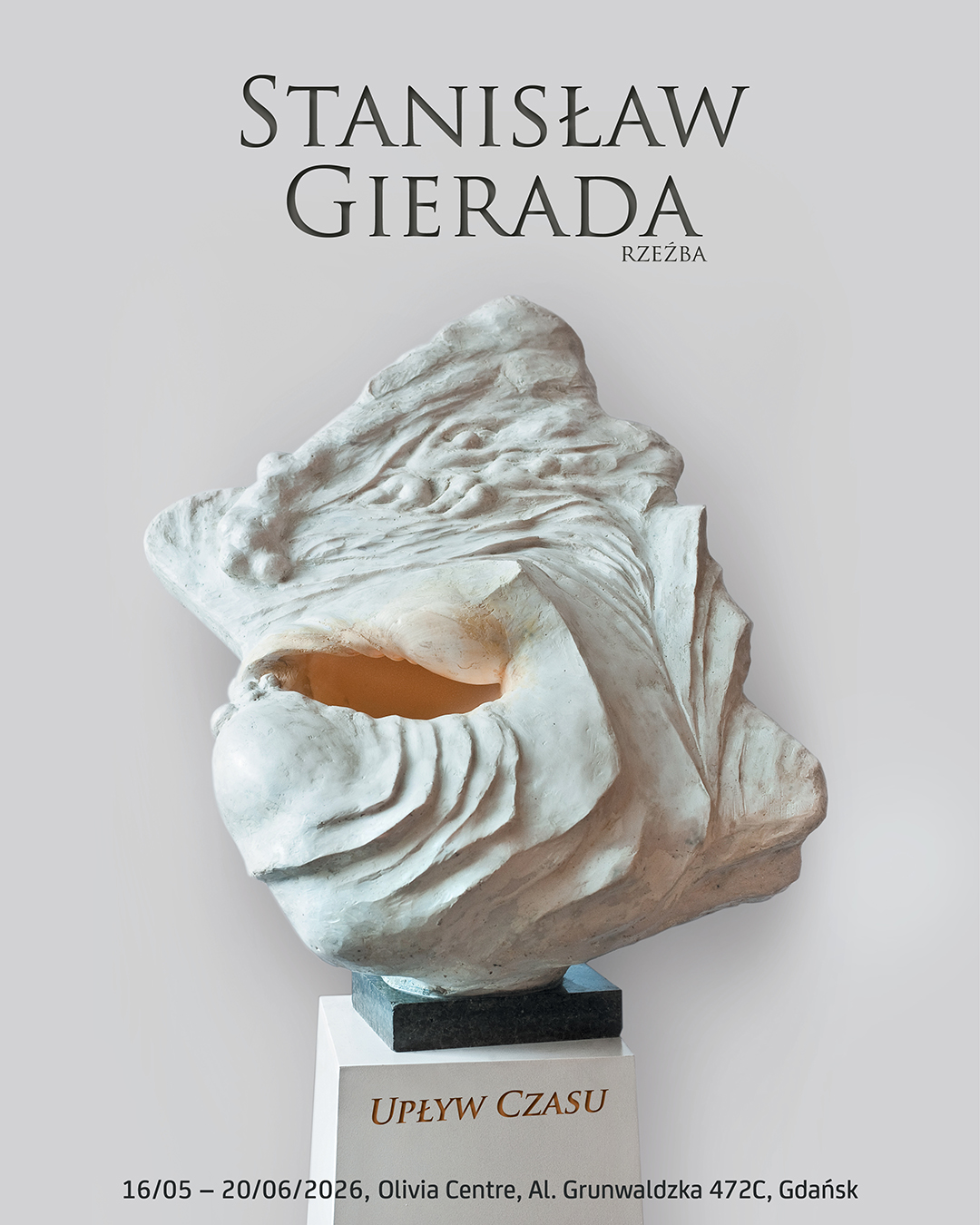
The year 2025 was closed by the exhibition “Legends”. Exceptional artists presented their works – retired professors, retired professors and teachers of the Academy of Fine Arts in Gdańsk. For many years, they and they created the everyday life and mythology of the Academy of Fine Arts in Gdańsk. Their works were presented by: Krystyna Andrzejewska-Marek, Kiejstut Bereźnicki, Roman Gajewski, Stanisław Gierada, Teresa Klaman, Mariusz Kulpa, Hugon Lasecki, Henryk Lula, Jadwiga Okrassa, Mieczysław Mieto Olszewski, Cezary Paszkowski, Janina Rudnicka, Janina Stefanowicz-Schmidt, Andrzej Śramkiewicz and Czesław Tumielewicz.


Photo: Maciej Roszkowski | We love the photo.


Entering 2026, Olivia remains a space open to art – diverse and close to people. The exhibition “Between the Horizon and Glass” is also our next invitation to stop and look at the city, architecture and ourselves from a new perspective.


We invite you to visit the Gdańsk Resident Card Service Point at Olivia Prime.

We warmly invite you to visit the Resident Service Point dedicated to users of the Gdańsk Resident Card. The service point is located in the Olivia Prime building at Olivia Centre. Here, residents of Gdańsk can complete all formalities related to the programme addressed to people who live, study, pay taxes, or run a business in Gdańsk.


Opening hours:

  • Monday–Friday: 9:00 a.m.–5:00 p.m.
  • Saturday, Sunday: closed
  • Service break: Monday–Friday, 1:00 p.m.–1:30 p.m.

What can you do at the service point?

  • apply for or renew the Gdańsk Resident Card
  • add new packages, including the 2026 Resident Package
  • get assistance with using the card and the mobile application
  • purchase ZTM season tickets
  • obtain information about current discounts, attractions, and city projects available to cardholders

photo: https://jestemzgdanska.pl


The Gdańsk Resident Card is a modern tool that has been making it easier for residents to use city services since 2017. It offers free admission tickets, discounts, and access to events and other benefits at the most attractive prices. Today, the card is used by several hundred thousand residents.


Users can enjoy access to cultural, museum and sports facilities, special “Gdańsk menu” packages in restaurants, discounts on shopping and services provided by local businesses. For those who enjoy spending time in Gdańsk, the card opens the door to as many as 32 city attractions – completely free of charge. It also offers free admission once a year, among others, to the zoo, the Amber Museum, Hevelianum, ice rinks, swimming pools operated by the Gdańsk Sports Centre, and many other venues. In addition, extra discounts are available in as many as 200 venues across the city.


For children and young people, the Resident Card provides free public transport. For holders of paid personalised ZTM season tickets, it enables free travel on SKM, PKM and POLREGIO trains within Gdańsk. Seniors are the first to receive information about interesting events and programmes dedicated especially to them.


Moreover, thanks to the “Jestem z Gdańska” app, users can pay local taxes, exchange information with neighbours via the VILEO messenger, take part in special points-based competitions, borrow books from the Regional and Municipal Public Library, and vote on projects within the Civic Budget.


The Resident Service Point operating at Olivia Centre is the second facility of this kind in Gdańsk.


Fig. Michał Wesołek | @WerbrandUnicorns