Speednet on the 31st Floor of Olivia Star

The Office in 2026? An Example Speednet demonstrates that less can mean better and more efficient. The IT company, which previously leased two floors in Olivia Star optimized its space by moving to a smaller but more prestigious office on the highest office floor north of Warsaw. The company’s new office perfectly reflects the market transformations currently taking place in the office leasing segment. Business centres such as Olivia Centre, of which Olivia Star is a part, are gaining a significantly greater mix of tenants, also building their stability and resilience to turbulence in individual sectors of the economy, while the entire office centre community creates a more diverse ecosystem and space for cooperation, which was previously impossible during the period of dominance by selected industries.


Speednet is a strategic technology partner for financial institutions that want to deliver digital products faster, modernize legacy environments, and develop IT systems without compromising security, regulatory compliance, and operational stability. It helps regulated organizations shorten time-to-market, fill competency gaps, solve integration and technology challenges, and responsibly and securely implement innovations and use AI in daily work.


The company has been operating in a hybrid model for several years, and as the way of working changed, so did its office space requirements. In spring 2026, Speednet moved its Tri-City headquarters from the 19th and 20th floors of Olivia Star to the 31st floor—to a smaller but much better-suited space for the current work model. This is an excellent example of the direction in which the office segment is currently transforming. This example shows how many possibilities that previously seemed impossible or difficult are now everyday reality. It is also an example of how many opportunities are associated with choosing a large business centre as an office location and how flexibility in approach to leasing results in a lasting and partnership-based relationship between the office space manager and the tenant.


About why the company decided on this change, what the role of the office looks like today in a technology organization, and what makes employees want to come to it despite the possibility of remote work, Karolina Zarusińska, Head of Employer Branding at Speednet, explains.


Where did the need to move to the 31st floor of Olivia Star from the 19th and 20th floors come from?

We leased our previous office from 2021, which was when the labor market—especially in the IT industry—was changing very dynamically. Over those few years, the hybrid model became firmly established with us. We learned to work effectively in distributed teams, while at the same time we began to recruit specialists more broadly from outside the Tri-City as well.


Today, flexibility is an important element of our organizational culture. Some people work mainly remotely, some appear in the office regularly, and some choose it depending on projects, meetings, or simply the need to work with the team.


At a certain point, it became clear that two floors of approximately 1,000 m² each were no longer space corresponding to our real needs. We had already been subleasing one of the floors to a friendly company. At the beginning of this year, our needs, the needs of our tenant, and another company looking for larger space in Olivia Centre met at the perfect moment. As a result, a kind of triple relocation took place, and it appears that each party found a solution better suited to their current way of working.


We ended up on the 31st floor of Olivia Star—in a space decidedly more intimate, but at the same time very functional. And from the perspective of several months, we can say that it was a very good decision.

What is the area of the new office and how do you use it today?

The new office is approximately 480 m². We have about 40 workstations, all operating on a hot desk system. With our current hybrid model, this number corresponds very well to actual office attendance.


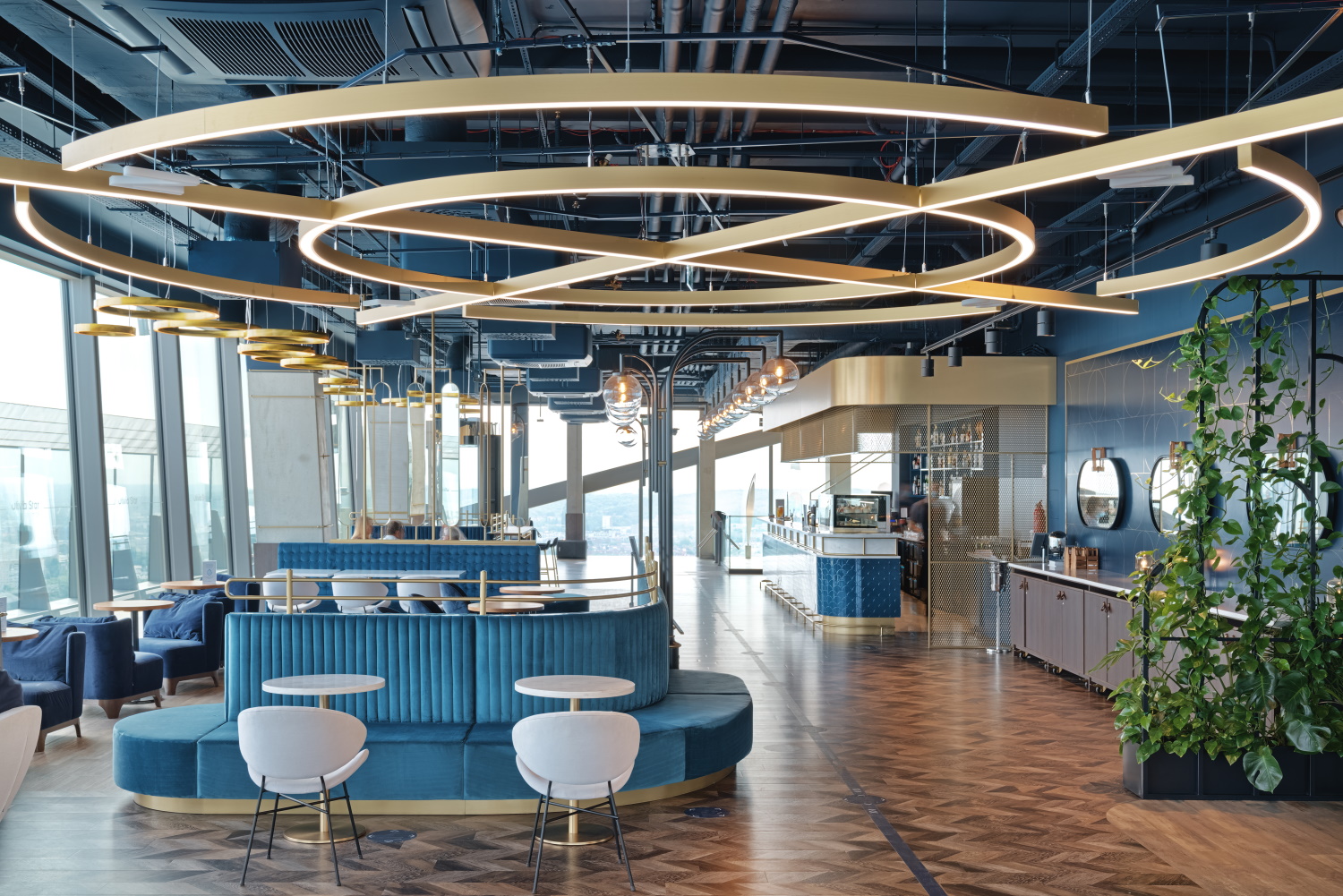
Instead of one large open space, the area has been divided into two smaller workstation zones—one intended mainly for technical teams, and the other for support departments. We also have three conference rooms, two separate rooms, a functional server room, and—decidedly the most important from the perspective of office life—a large social zone.


We wanted the space to be tailored not to the number of people employed in the company, but to how we actually use the office today. We no longer treat it solely as a place where you come for eight hours and sit at an assigned desk. Increasingly, it is a space for meetings, collaborative work, integration, or knowledge exchange.


What style prevails in the new office? What did you emphasize during its preparation?

We were somewhat fortunate because we ended up in a space that had already been very interestingly designed by Design Anatomy. Many elements from the original arrangement remained, giving the interior character—including the kitchen, green walls, planters, materials, and finishing details.


Of course, we adapted the layout to our needs, primarily by increasing the number of workstations, but we wanted to preserve the character of this space.


We also approached the relocation itself very pragmatically. We did not want to furnish the new office from scratch just because we were changing floors. We used the furniture we already had. Some of the equipment that we were unable to use in the smaller space we sold, and a considerable portion we also donated to charity.


New elements we decided on after the move included acoustic booths, which are simply very practical with hybrid work and a large number of online meetings.

Are there any unconventional solutions or places that are particularly worth describing?

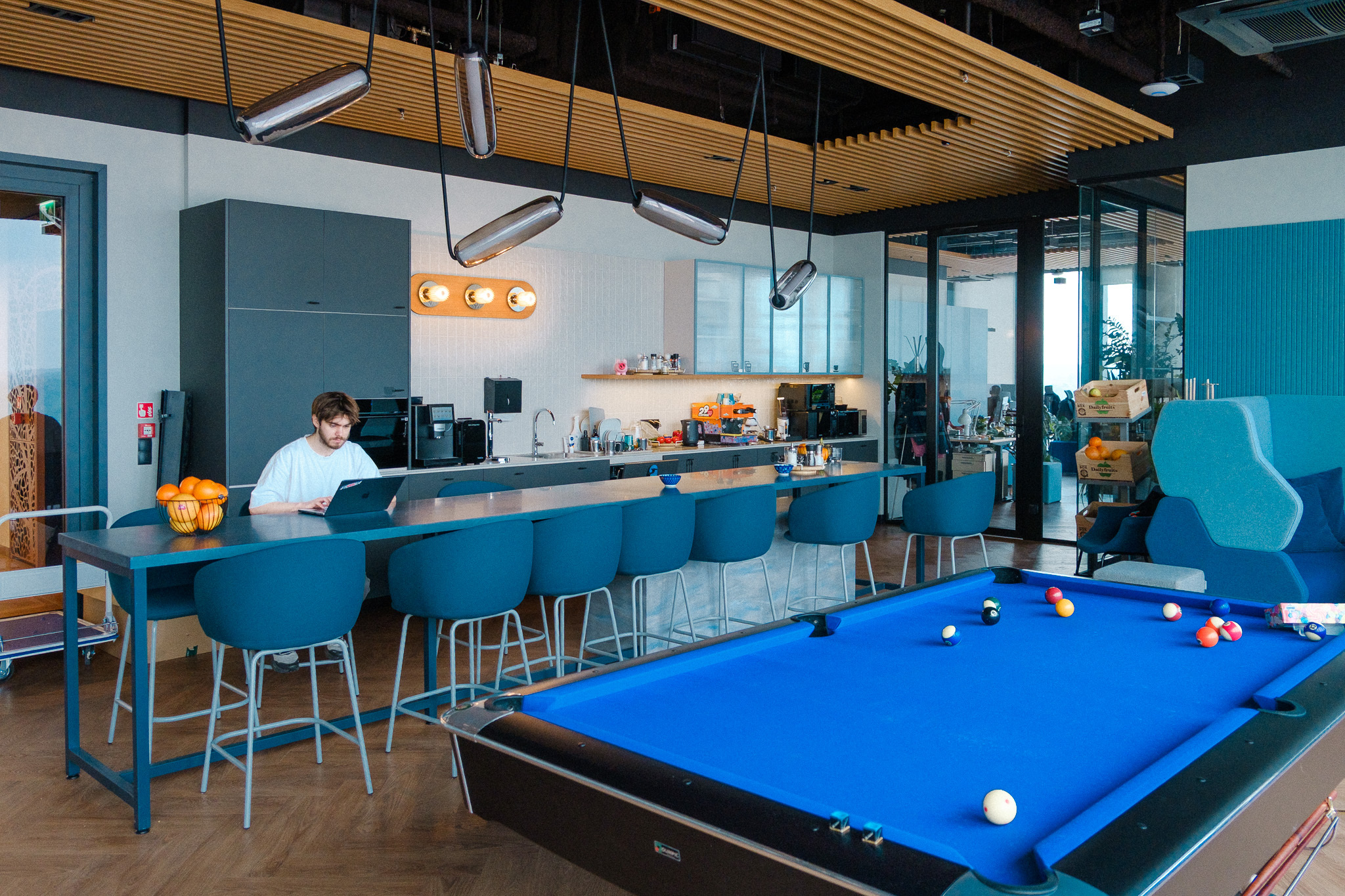
Our social zone is definitely the heart of the new office. And we ourselves are a bit surprised at how warmly it has been received by everyone.


It is a combination of a kitchen, a large bar counter, seating areas, poufs, a pool table, and table football. You can have lunch together here, hold a less formal meeting, work with a laptop away from your desk, or simply meet with people you do not see every day with the hybrid work model.


Importantly, the space can be very easily adapted to different events. Since April, two larger events have already taken place here. The first was another edition of our company “MasterChef,” during which we prepared tartare and sushi together with the CEO. The second was kobido massage workshops organized for the women on our team. With both events, we were able to transform the everyday office space into an event venue in just a few moments.


The new office is also very green.

Definitely. It is much greener than our previous office.


We have three green walls, and the individual workstation zones are separated by large planters. Plants have also been placed in the conference rooms. Some of them are still settling in and growing, so we expect the effect will be even better over time.


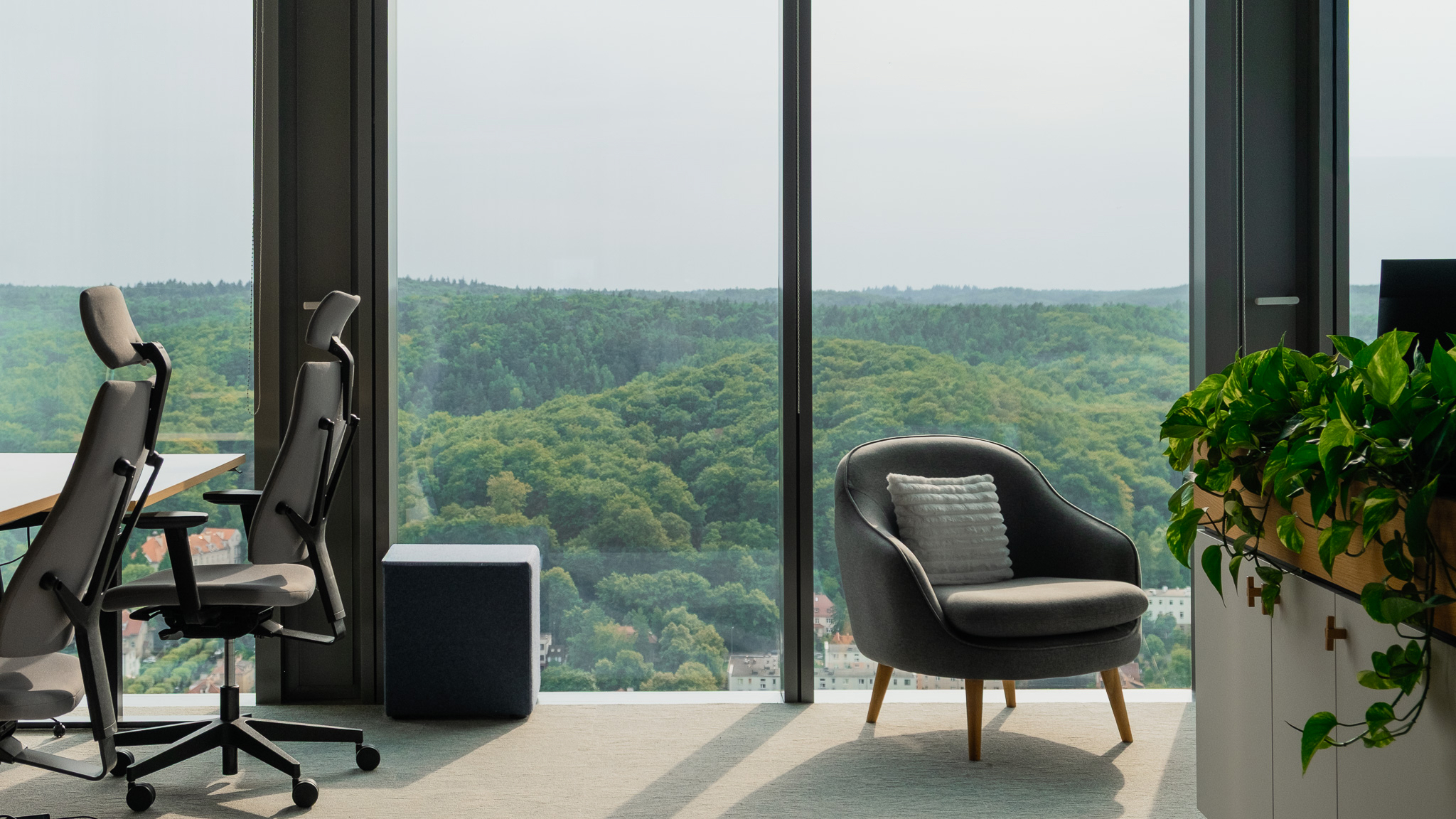
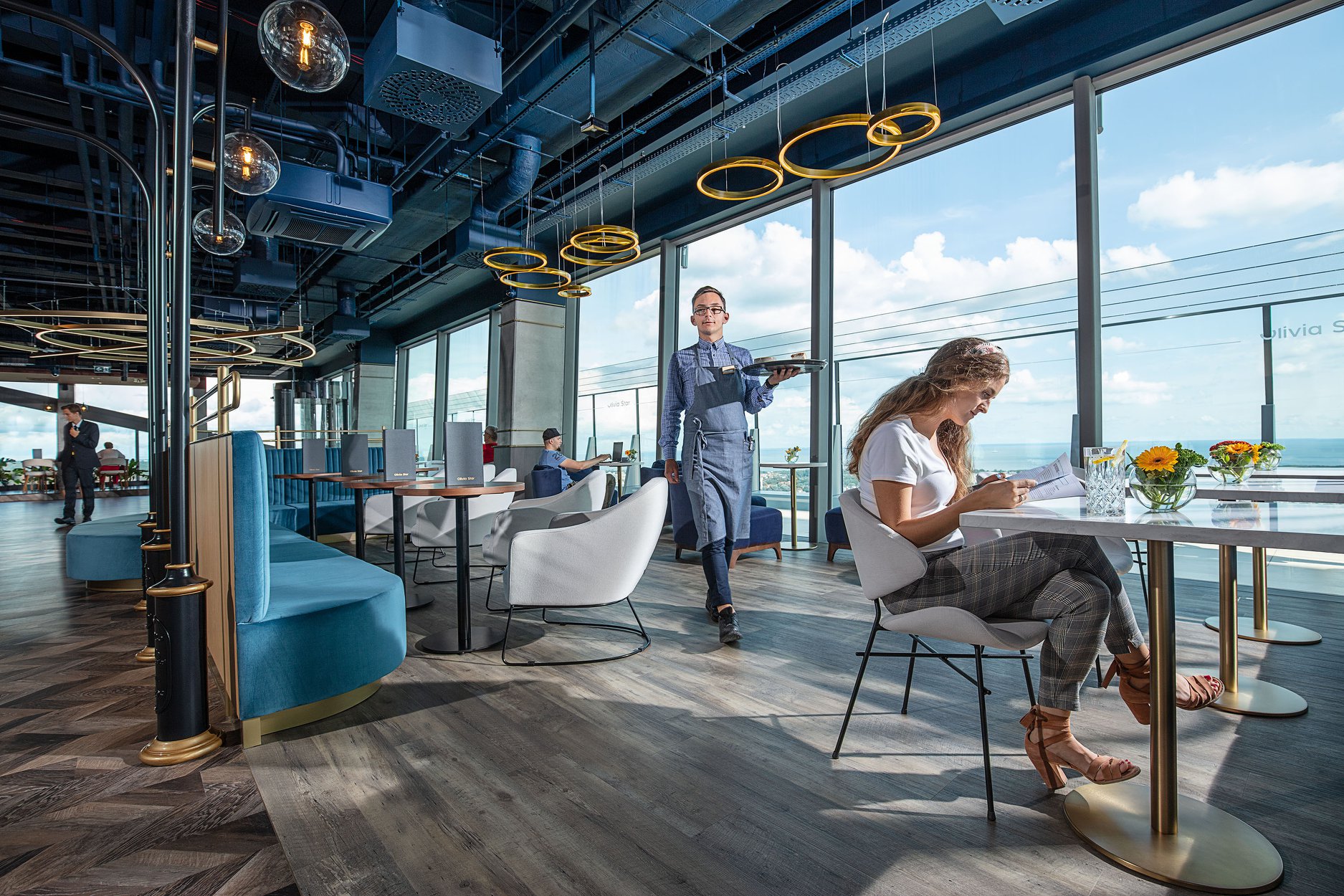
It is actually quite an interesting contrast: on the one hand, we are on the 31st floor, with huge windows offering a panorama of the Tri-City and a view toward the Bay of Gdańsk, and on the other hand—inside we are surrounded by a lot of greenery. You could say we managed to avoid having to choose between a sea view and a view of plants.

How do the employees themselves rate the new office?

The best proof is probably their own words.

“Working in an intimate space full of greenery, filled with natural light thanks to huge windows with a view of the entire bay, is a work privilege that cannot be replaced by Fruit Thursdays. If I were to leave my job, it would only be with the awareness that I will probably never work in such a comfortable place again.”

Tymoteusz Olszewski
Head of AI

“Open space? I was skeptical. But it turns out that a well-designed space, plants that handle irrigation better than I do with mine at home, and the 31st floor did the trick. At this height, ‘working in the cloud’ takes on a completely new meaning—and it turned out that this space really rebuilt our relationships anew.”


Marta Nowocińska
People Performance Partner

“What I appreciate most is that the office is not one huge open space. The division into smaller parts gives a much more intimate atmosphere. In addition, the social heart zone naturally encourages meetings with people. A shared lunch at a long table, a quick game of table football, or a moment of conversation in the relaxation zone make integration happen on its own, somewhat incidentally—without the need to organize a special event.”


Weronika Dudko-Konopka
Employer Branding Specialist

And perhaps this last aspect is the most interesting for us. With hybrid work, the office must give people something more than just a workstation—a comfortable desk can be arranged at home as well. The value of the office becomes primarily the people, the possibility of spontaneous meetings, and a space that facilitates such meetings.

Is the new office fully ready?

Almost, although we still have a few ideas.


We want to recreate, among other things, a wall with photos from company events that we had in the previous office and which was one of its most beloved elements. Over the years, quite a lot of shared stories have accumulated, and we want this to be visible in our new space as well.


We also plan our “dinosaur wall”—of course in the best sense of the word. This is a place dedicated to people who have been at Speednet for over 10 years. We already have 40 (!) such people, so there is definitely someone to feature on it.


This is an important element for us because we want the new office not to be solely an impressive space on the 31st floor. It should also tell the story of the company and the people who have created it over the years.


And what is the biggest highlight related to the move?

Probably the very fact that we currently work in the highest-located office in northern Poland is already quite a good highlight.


However, what we like most is a certain paradox of this move. We moved to an office with significantly less space, and at the same time we have the feeling that we gained more space to be together.


And perhaps the little things that cannot be planned when designing an office show this best. Recently, for an entire week, practically every day someone brought homemade cake to work. Seemingly nothing major, but it is precisely such situations that make the space come alive and become a bit more “ours.”


The new office simply better corresponds to what the workplace is for us in 2026. It does not have to be a daily obligation to remain an important element of company life. It should make it so that when we do decide to meet on site, we really want to stay a bit longer—even if sometimes the additional motivation is a piece of homemade cake.


Value Sharing – A New Trend in Management Cadre Development

Organizations that have focused on creating shared value systems within their management cadre operate more effectively and achieve their goals more efficiently.


As Monika Jasińska emphasizes in her article “Quality of Teamwork in Difficult Situations,” published in the journal “Nowoczesne Systemy,” the cooperation of the management cadre is crucial for success and the so-called organizational resilience (i.e., the ability to operate effectively during various types of crises, including, for example, market turbulence). This refers to action based on clear and shared principles, psychological safety, and effective communication. To achieve a state of entrepreneurial creativity and efficiency, it is essential to operate according to uniform standards. According to the author of the study, this principle is significant for teams facing time pressure, uncertainty, and crises.


Research therefore shows that one of the key factors in organizational resilience and growth is developing a shared vision, values, and communication principles and ensuring that all managers operate according to the same standards—while maintaining individual style and a degree of operational flexibility. This is an important signal for companies that have relied on full autonomy for managers building their own teams: proper autonomy means respecting the individuality of each leader while simultaneously implementing unified and coherent principles across the entire enterprise.

The research findings are also confirmed by managerial practice and experiences often drawn from the spectacular rises and falls of companies. Numerous analyses have been produced on the difficult but essential cooperation of the management cadre—says Marta Moksa, Director of O4 Coworking at Olivia Centre. Essentially, every success story (e.g., Netflix) and failure (Lehman Brothers) can be reduced to building so-called “tough love in the boardroom,” which can be translated as “tough, masculine camaraderie in the boardroom.” In the book “The CEO’s Boss” by William Klepper, published by Columbia University, several analyses of director cooperation are presented—examples to emulate and cautionary tales. Companies flourish and emerge from crises when their management cadre has a functioning social contract, proper alignment, and constitutes a cohesive, effective team.

The dynamics of market changes force organizations to adapt to reality just as quickly, and the fact that certain mechanisms, standards of conduct, or team management methods worked just a few years ago does not mean they will work indefinitely. Therefore, one of the most constant truths about team management is change. At Bayer, with the implementation of a new operating model, the role of the leader has also changed, placing greater emphasis on empowerment, shared responsibility, and effective action under conditions of uncertainty and change—says Anna Switaj-Zawadka, Capability Community Lead Projects at Bayer. That is why developing leadership competencies, exchanging experiences, and building a common leadership language are so important. Cooperation, trust, and the ability to engage teams are today key factors in organizational success, and sharing best practices helps leaders effectively meet these challenges.

Experience shows that key to the success of enterprises is a well-cooperating team of managers who share the same set of goals and values. According to Tuckman’s model, a team must change in accordance with successive stages of business development. And the truth is that every business has the shape of the letter S—first slow development, then dynamic growth, safe stagnation, and crisis, from which one enters the next slow development phase. There is no business in the world whose stages look different. And that is precisely why the effective functioning of the leadership cadre as a team is of such enormous importance. Examples of companies such as Procter & Gamble, Johnson & Johnson, BP, and Hewlett-Packard show that proper distribution of roles in the board, but above all shared organizational culture, common goals, and common methods enable survival of any crisis.


The significance of uniform values among the management cadre is also discussed by Katarzyna Laskowska, Director of the Entrepreneurship Development Department at the Pomeranian Development Agency: In small and medium-sized companies, the way leaders manage people very quickly translates into the daily work of the entire team. That is why it is worthwhile for owners, leaders, and managers to develop together, exchange experiences, and build a common approach to communication, responsibility, and decision-making. The more coherent the management approach, the fewer misunderstandings, the smoother the cooperation, and the greater the chance that the company will grow without losing a good atmosphere and people’s engagement.


Krzysztof Ratajczyk, Controlling Team Lead at Ergo Finance Global Business Services, speaks similarly on this topic: It is worthwhile to develop managers together, because then it is easier to establish a coherent approach to team management. Standards based on shared experiences help avoid situations in which each leader operates according to different principles. For employees, this means greater predictability, and for the organization, higher efficiency.


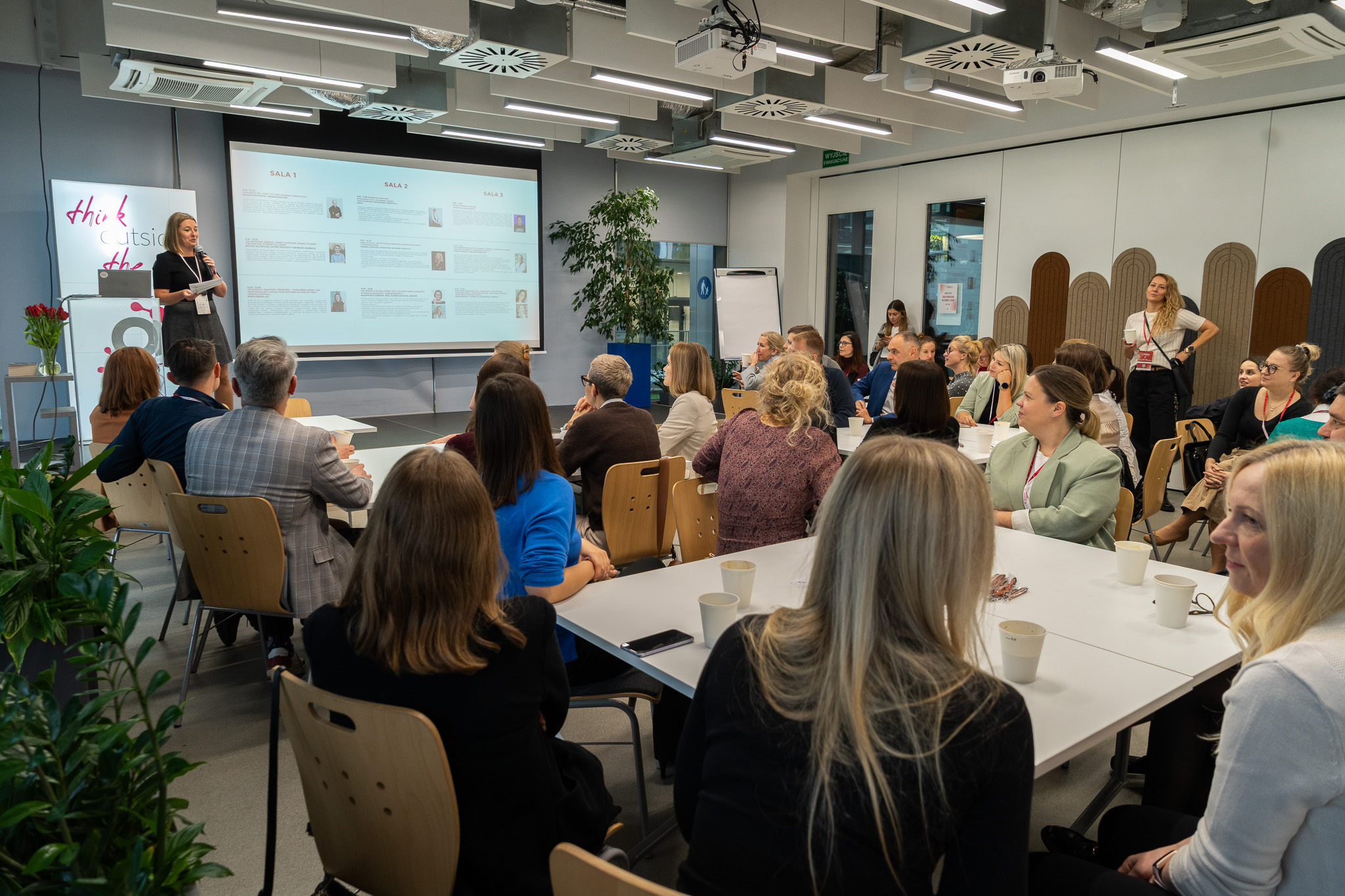
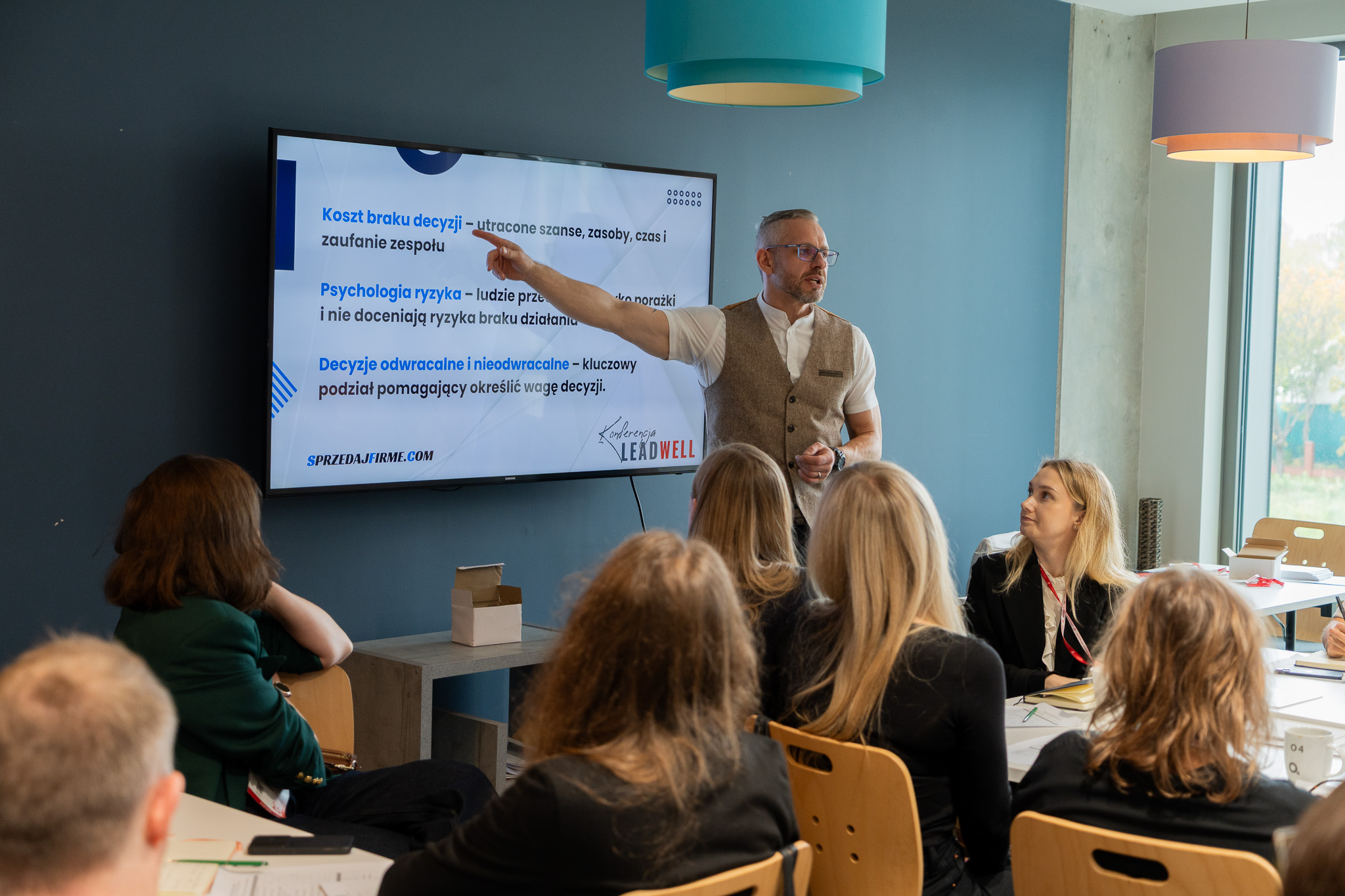
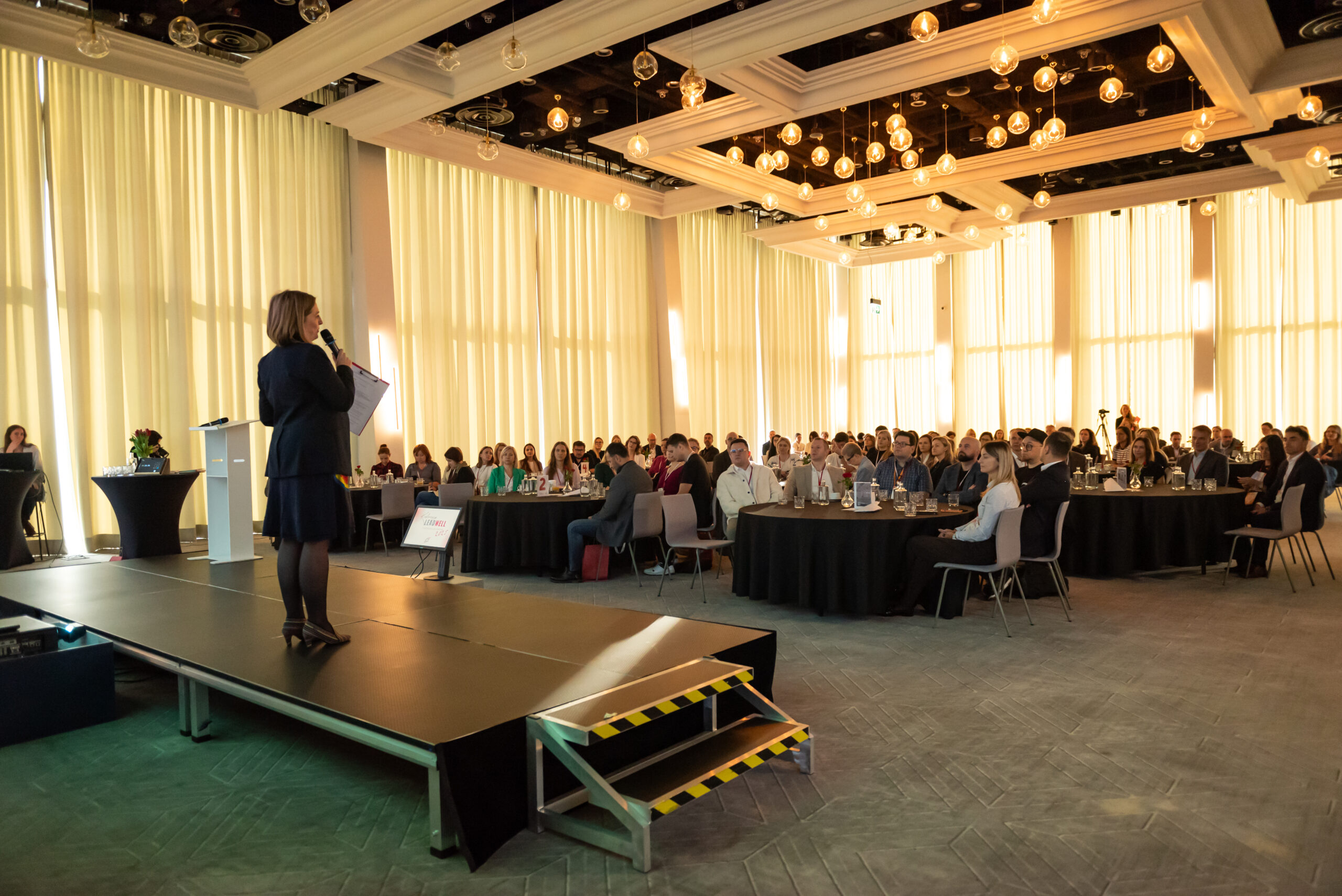
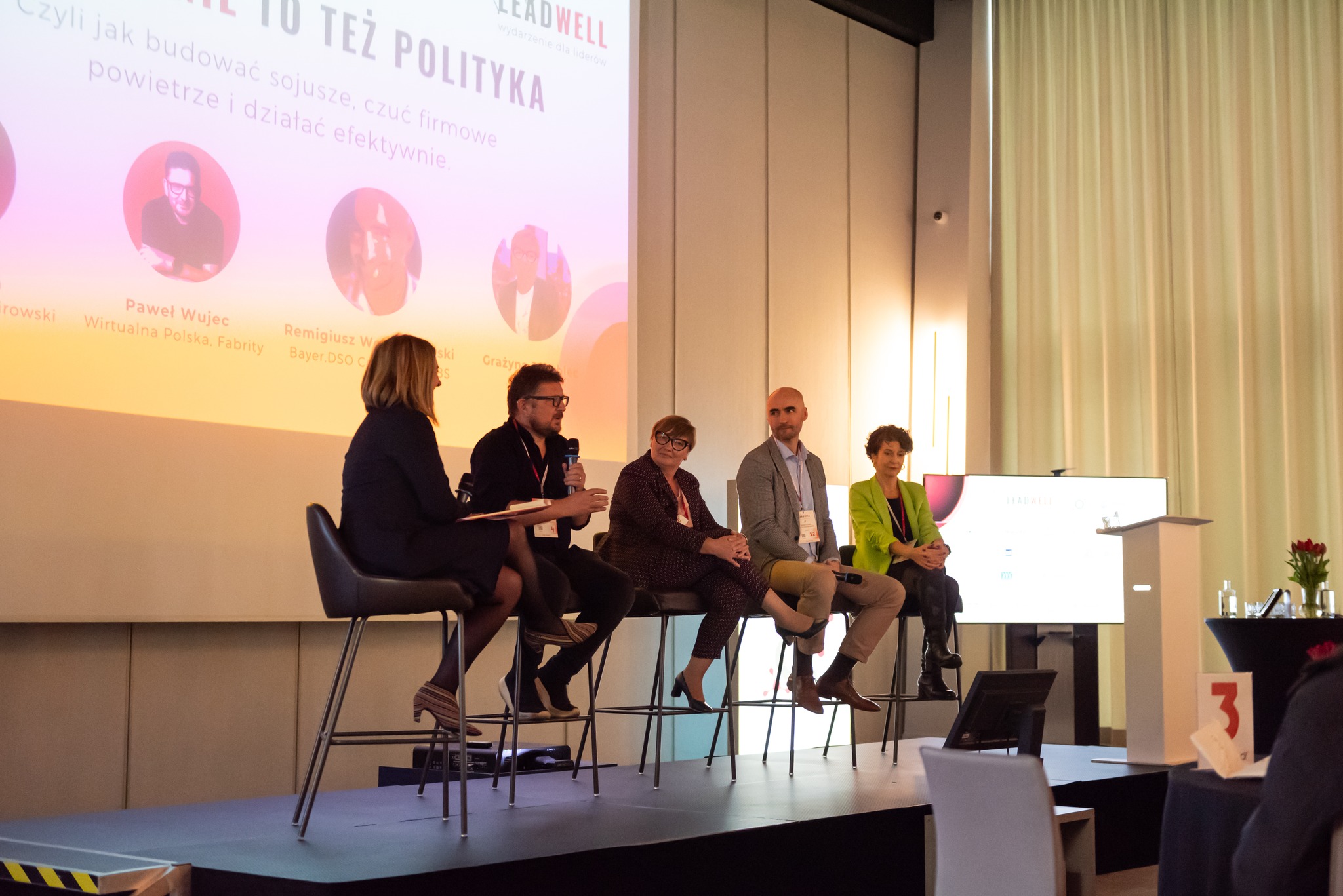
As he points out, Marta Moksa there is no single, universally effective management model, but when coherent values are shared by the management cadre, companies emerge from crises more easily: There is no single, simple way to build an effectively functioning team. The process of building a strong team consists of many elements—among them are educational experiences: joint learning of new leadership competencies, co-participation in discussions about the personal development of each member, and use of similar leadership tools. This knowledge formed the basis for developing the theme of the third edition of the LeadWell conference, which will take place this autumn at Olivia Centre in Gdańsk. It will be an excellent opportunity to discuss management effectiveness and new insights drawn from research and the concrete experiences of practitioners. The conference will provide ample opportunity to share real experiences in this area.


The fundamental idea that guided Marta Moksa, who together with Martyna Czarnobaj-Borowska is the creator of the conference program, was the conclusion that companies develop faster when leaders learn from one another, and the greatest value comes from knowledge about real events, successes, and failures, reported by their actual participants. In my opinion, there was a need for a space for free exchange of knowledge among leaders whose experience constitutes invaluable value for people carrying out similar tasks in their daily work. We wanted to create a field for unconstrained, valuable exchange of thoughts that would allow others to grow and avoid the pitfalls that their colleagues encountered earlier. We believe that the best solutions and conclusions come from dialogue and the opportunity to learn from one another, and that a strong community of leaders translates into business quality. I believe that with this event we are genuinely contributing to improving the working capabilities of managers and the development of companies.

The value of the conference is also discussed by Joanna Oksiucik, Site Lead in Gdańsk from the Risk Operations department at Amazon Corporate Operations, a participant in last year’s edition: Working with distributed employees, diverse team needs, and the rapid pace of change present new challenges for leaders. Trust, good communication, and the ability to build engagement regardless of where we work are becoming crucial today. LeadWell is for us a space for exchanging experiences, inspiration, and conversation about how to lead effectively today.

The third edition of the LeadWell conference will take place at Olivia Centre in Gdańsk on October 21–22, 2026.

Olivia: A Stable Business Partner

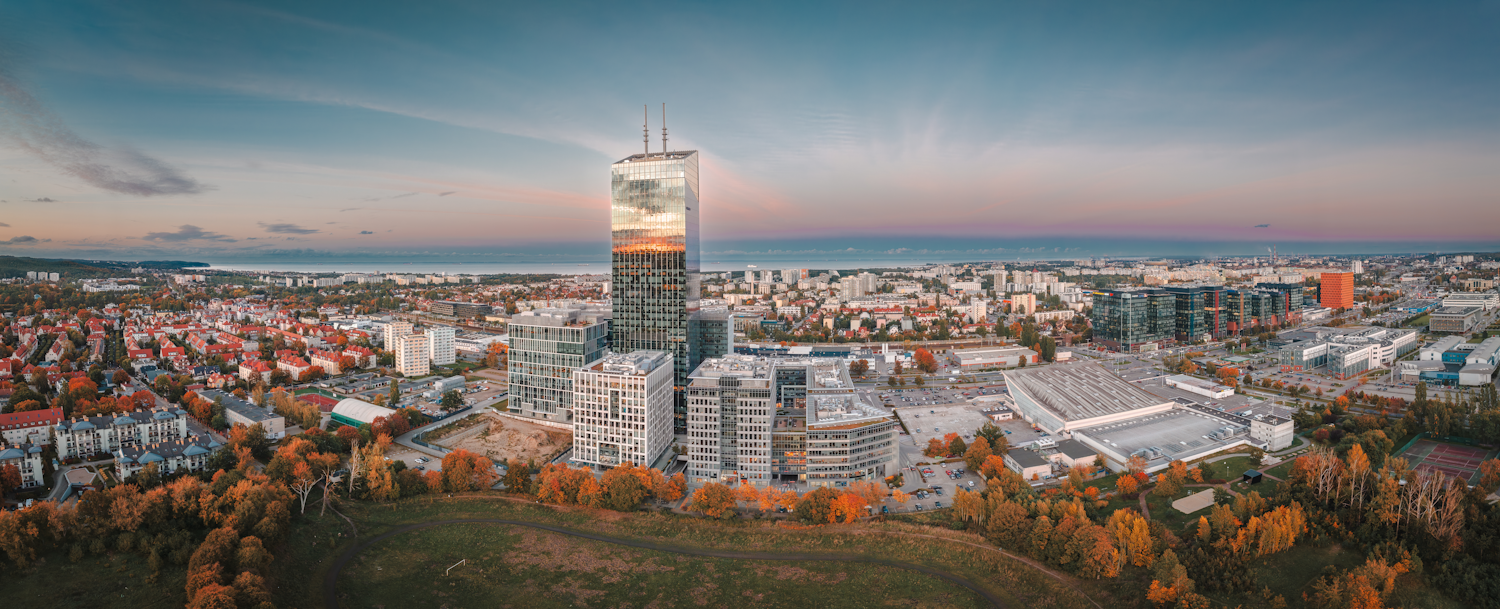
Early July brought one of the most significant sales in the Tri-City real estate market. Olivia Star, the tallest building in northern Poland, was acquired by Strabag Group. This is an important step in the development of Olivia Group, and the next will be the commissioning of the Olivia Pulse apartment building.


The sale of Olivia Star was immediately announced as the largest transaction of its kind this year outside Warsaw. This simultaneously strengthens the position of Poland’s largest business center, in which one of the largest investment groups in the European real estate market decided to invest. The acquisition of Olivia Star confirms the stability and success of Olivia Group, solidifying Olivia Centre’s status as a stable project developing towards a mixed-use model. The transaction proves that the largest entities in the real estate market want to be a part of it.


Olivia Star: A Star on Gdańsk’s Map

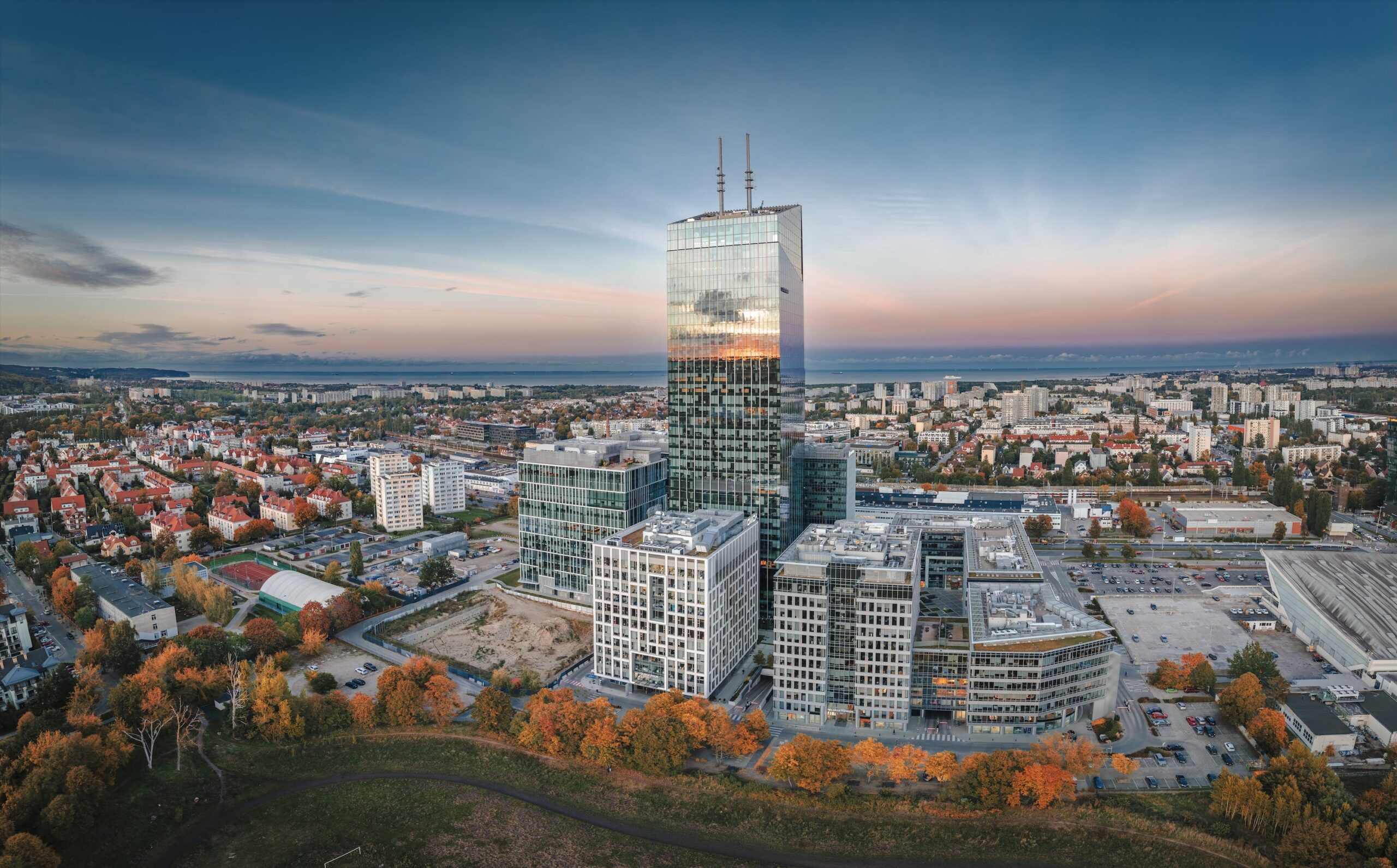
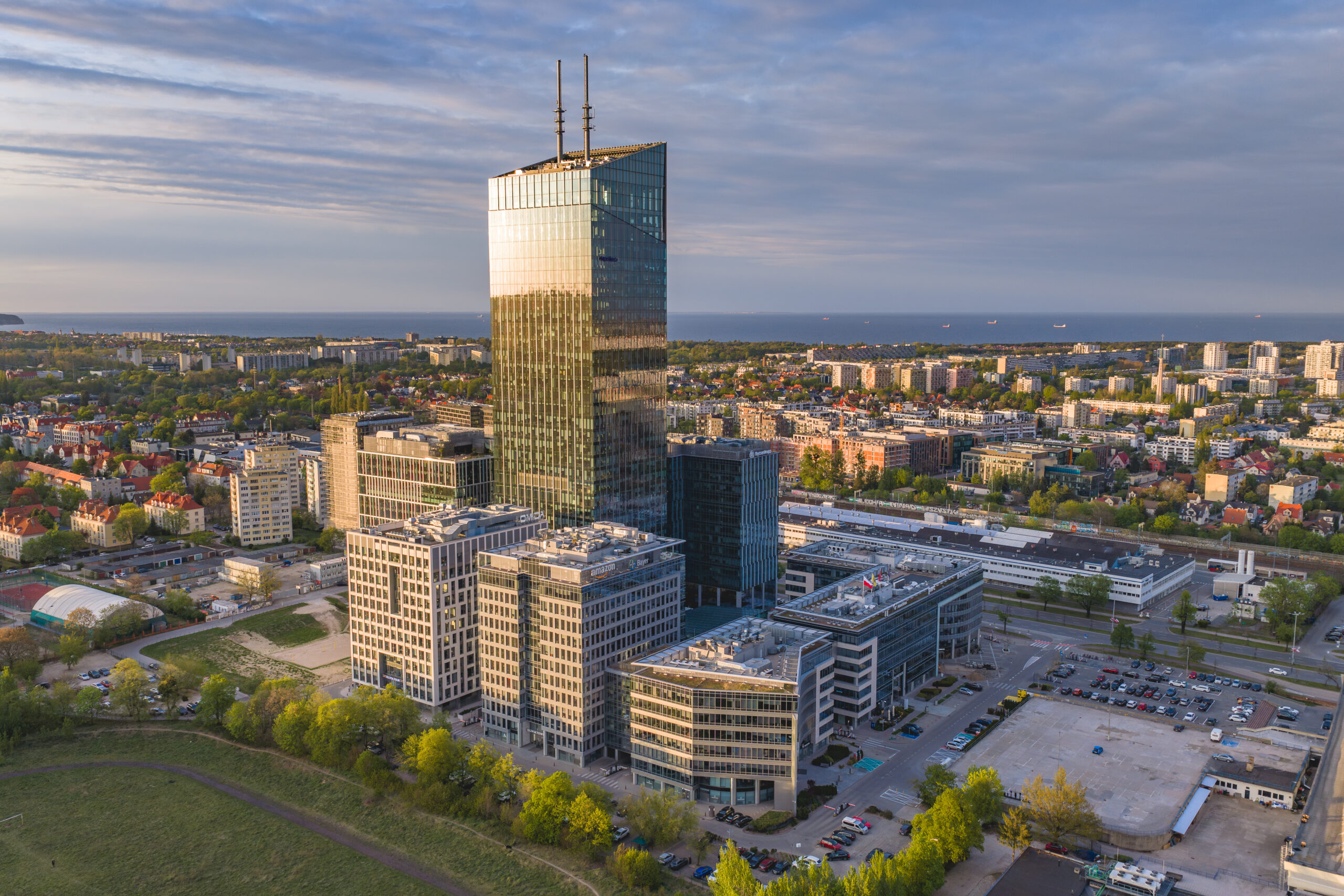
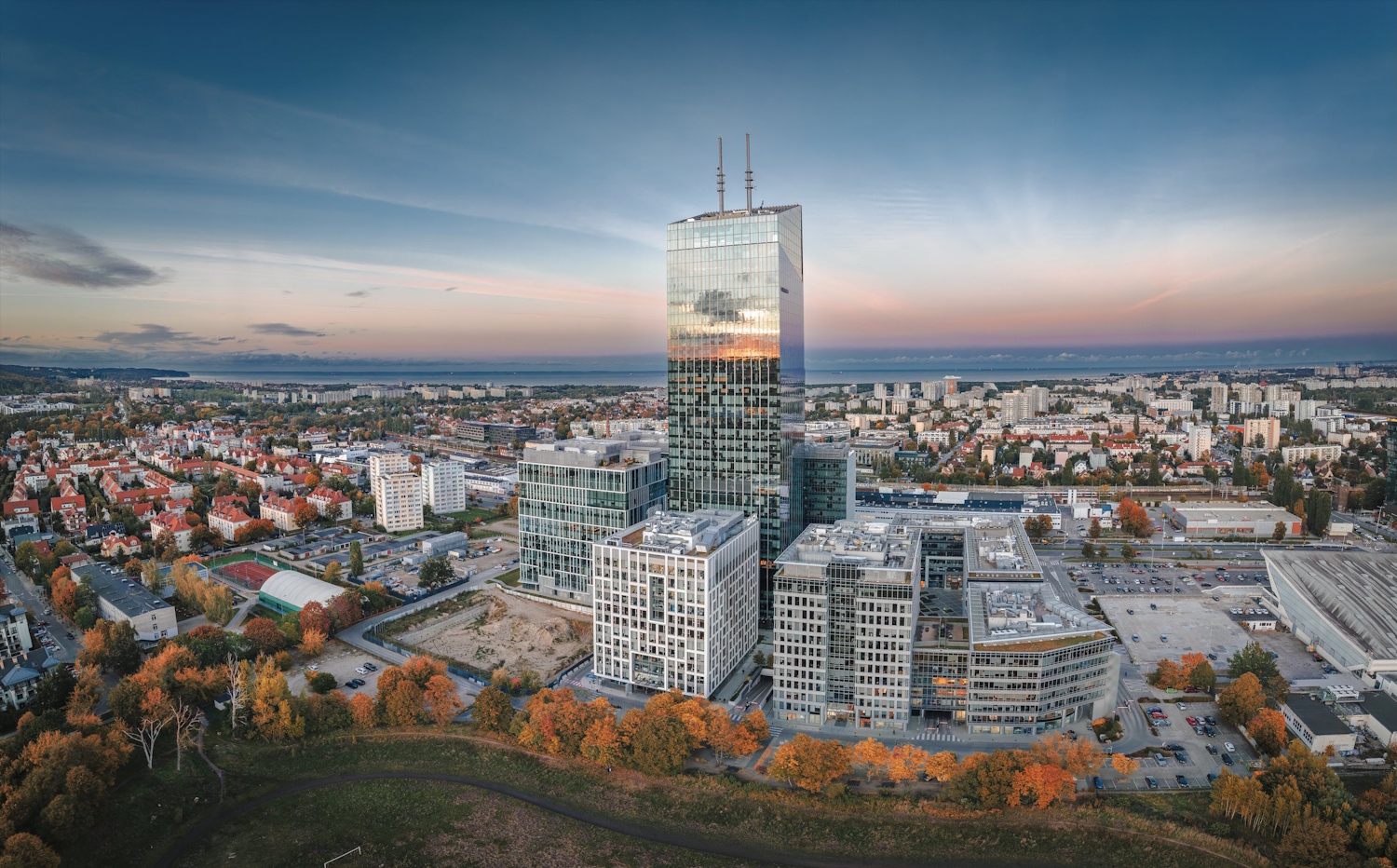
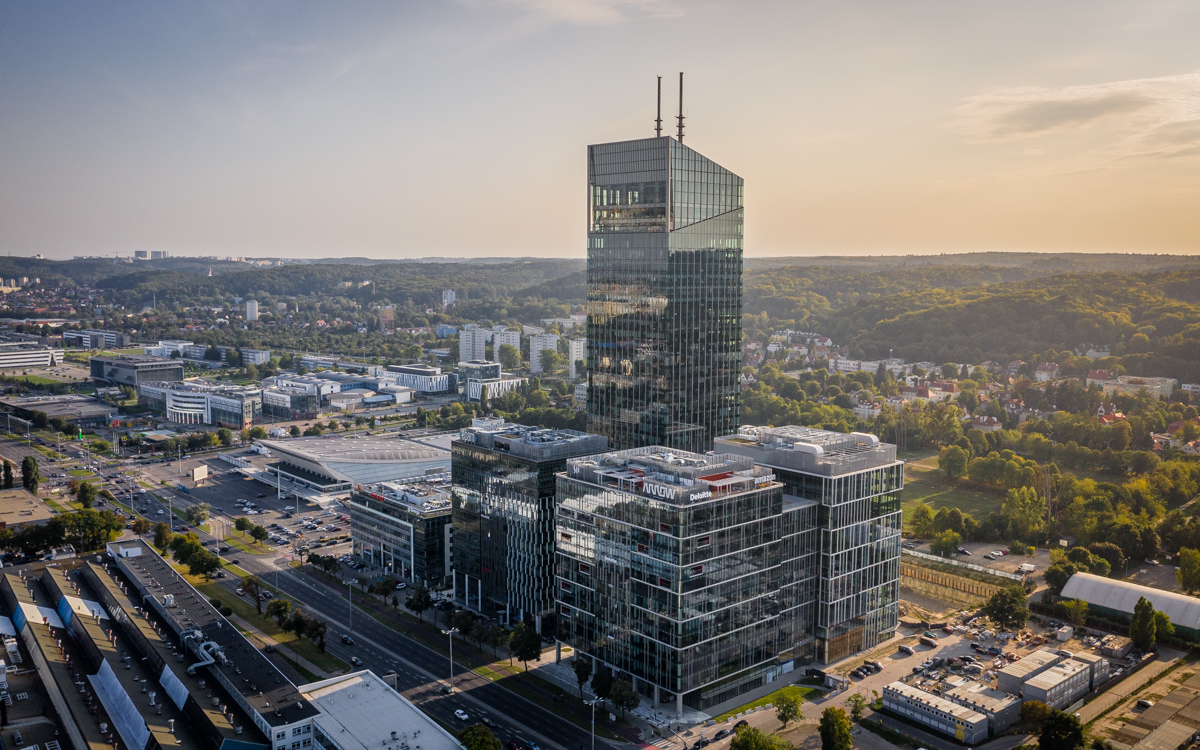
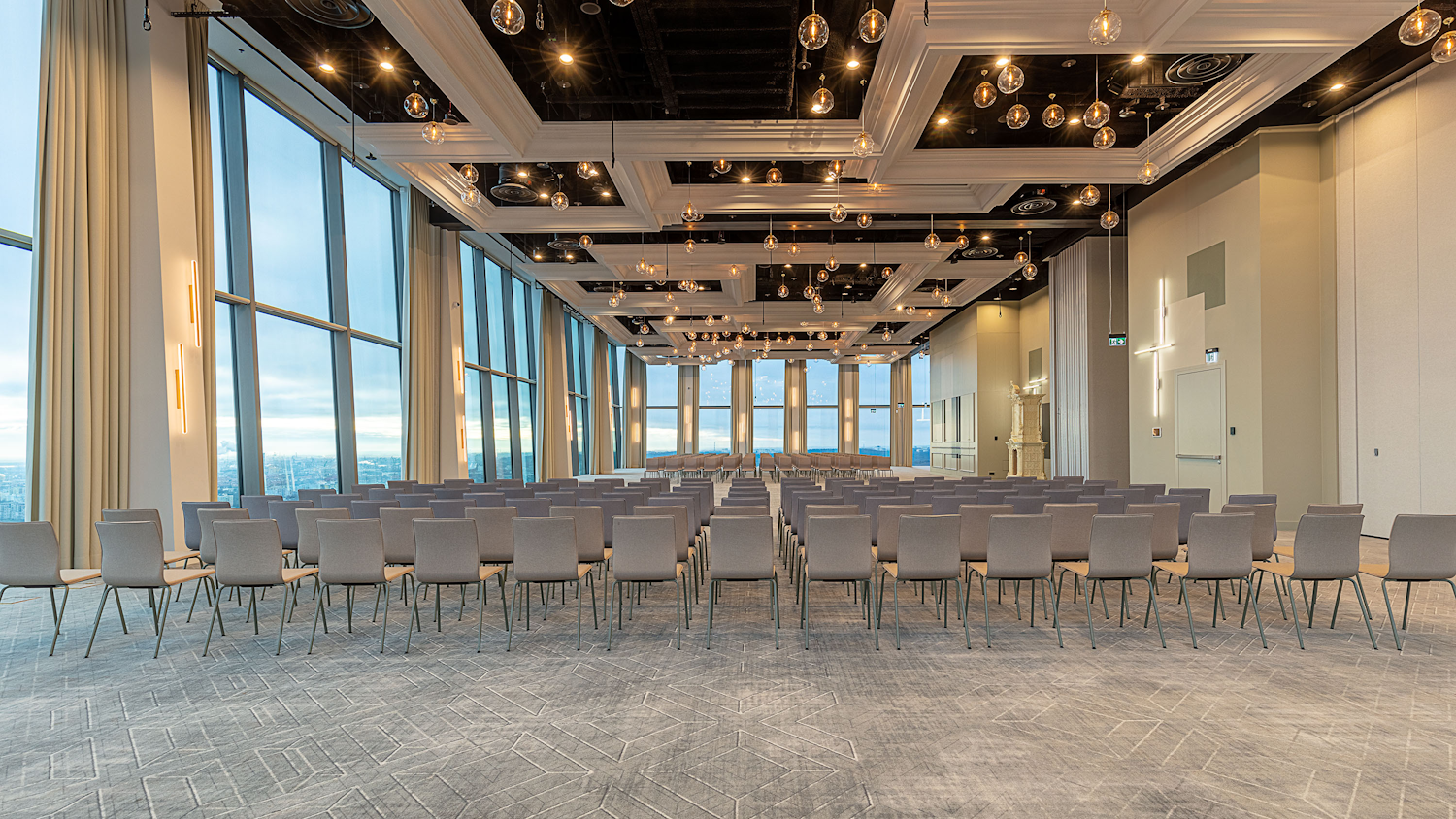
The tallest building in northern Poland was commissioned in 2018, stands 180 meters tall, and provides approximately 45,000 sq m of office space across 31 floors. Additionally, the building features an observation deck on the 32nd floor, which has been one of the Tri-City’s most popular attractions since 2019. The 33rd floor houses two prestigious restaurants, recognized with numerous international awards, including the highly renowned Michelin star. On the top 34th floor, there is an event and conference hall for 450 people, offering not only an exceptional space for all forms of cultural, business, and entertainment events, but also a breathtaking view of the entire Tri-City, the Hel Peninsula, the Tri-City Landscape Park, and Gdańsk Bay.


As representatives of Strabag Group emphasize, Olivia Star stands out for its high ecological and environmental responsibility parameters and aligns with the international real estate standards that the company is interested in. The property combines an excellent location, a very high occupancy rate, and strong ESG parameters, making it perfectly suited to our long-term investment strategy, says Verena Weingarten, Invest Manager, STRABAG Hold Estate. Strabag Group is a company with a long history in the real estate market and a well-established position both within and beyond Europe. With the sales agreement, Olivia Group was granted full management of the facility for at least 7 years, which confirms the high quality of services offered to residents and the desire to maintain it in the coming years. For Olivia residents, this transaction only means a strengthening of its position and potential, as well as a confirmation of the project’s stability and the willingness of a leading European group involved in the broad real estate market to participate in its development.


The Next Step in Olivia Centre’s Development

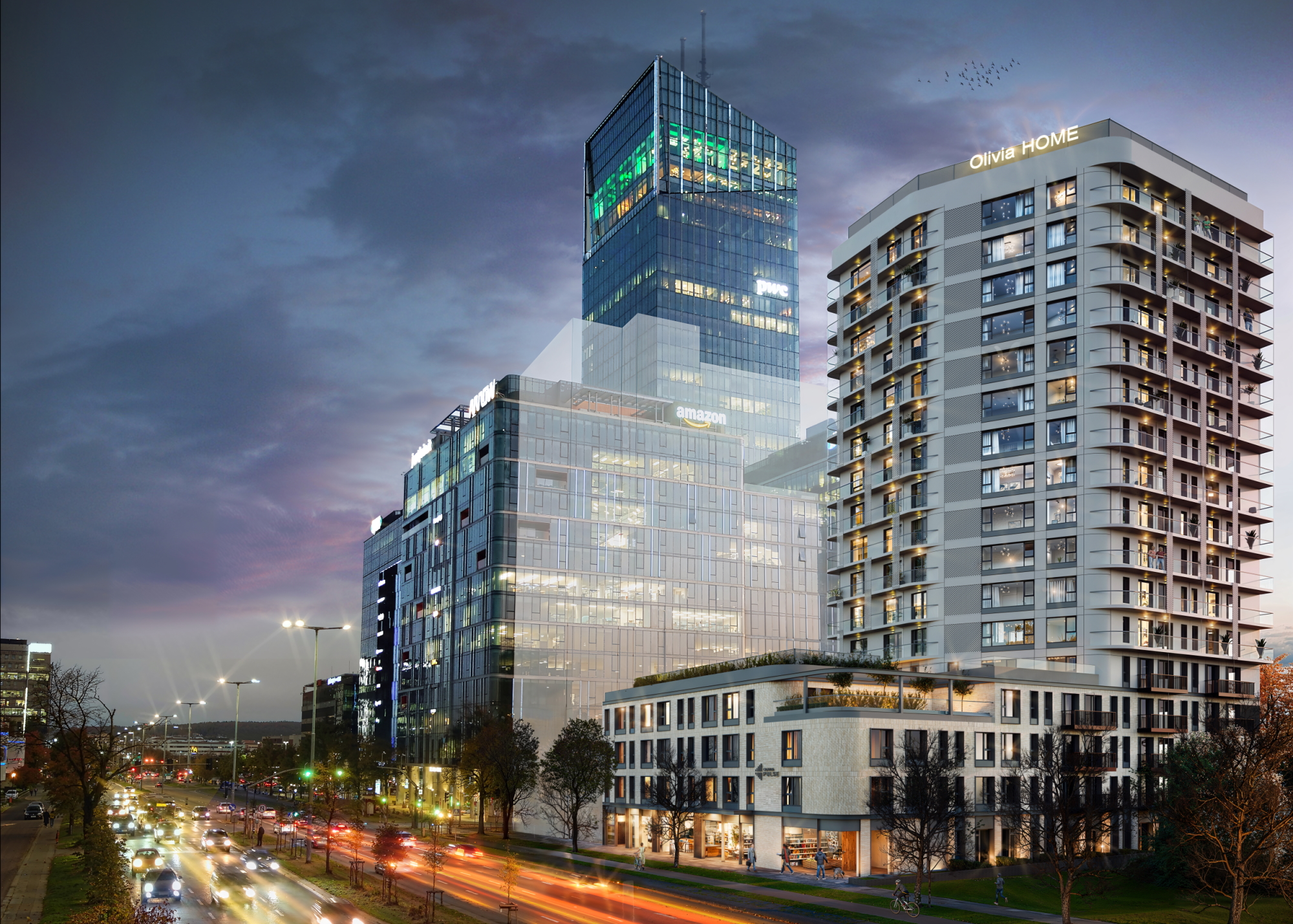
Olivia Centre continues to evolve, and will soon be enriched by Olivia Pulse – the first building offering 245 investment apartments, which will meet the needs of tenants wishing to live near the business heart of Gdańsk. This is another stage in the project’s development, which from the very beginning has been a source of pride for Gdańsk residents, a workplace for professionals, and a space for leisure. Thanks to Olivia Pulse, the center will reach a new level of maturity, welcoming its first permanent residents.


For our Group, attracting such a significant investor as STRABAG confirms the high position and standard of the entire center – says Ewa Nowicka, Sales Director and Board Member of Olivia Home, the developer responsible for the Olivia Pulse project. The transaction was preceded by thorough analysis and audits, which is a very important signal for Olivia Home and our clients, demonstrating stability and trust in our Group’s services. The fact that such a significant investor chose Olivia Group confirms the security and certainty of our investments, and now every apartment buyer within Olivia Pulse can become part of our project.


Since the commissioning of Olivia Star, the center has become a fully vibrant, multifunctional ecosystem, a place extending far beyond traditional office space rental. It boasts extensive service and retail facilities, including medical and educational institutions, a fitness club, and a diverse gastronomic offer, which future Olivia Pulse tenants will benefit from. All these factors make Olivia Centre one of the most unique and well-thought-out business centers in Poland, and its position continues to grow, allowing it to maintain an occupancy rate of approximately 98%. The commissioning of Olivia Pulse will be an important step towards transforming the center into a classic and complete mixed-use project. Olivia Pulse will allow residents to live near their workplace, relieving tenants of the difficulties associated with daily commutes to the office. It will also provide accommodation for those visiting Gdańsk short-term for business or tourism, naturally meeting the needs of the conference and restaurant center by complementing the comprehensive conference service. It will also offer an interesting proposition for students of the nearby University of Gdańsk campus, where nearly 20,000 people study daily.

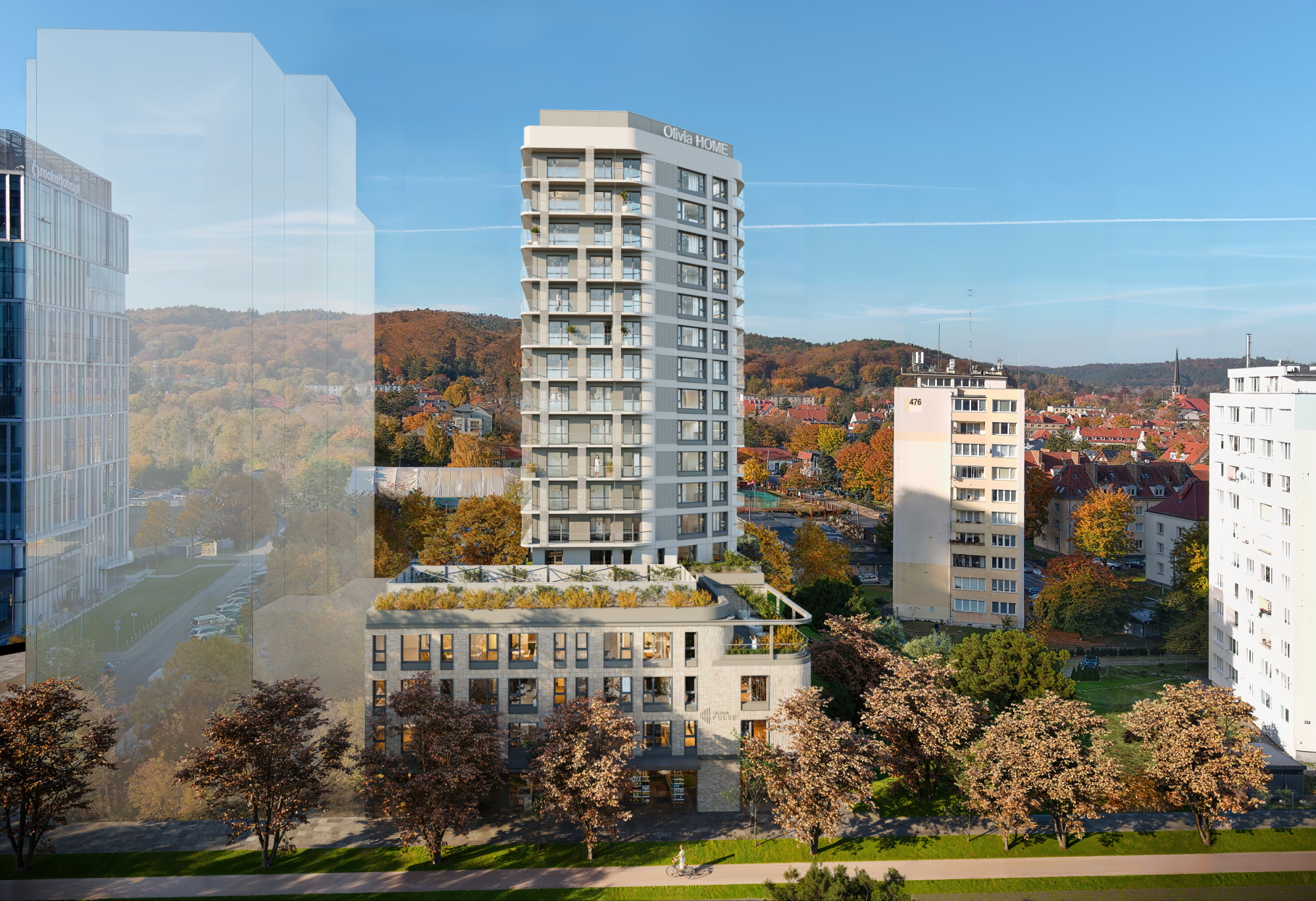
Olivia Pulse is a seventeen-story building, in which most apartments will be designated for long-term rental, and some also for short-term rental to provide accommodation for conferences and events organized on the top floors of Olivia Star. The investor also provided buyers with full operational support, which will be handled by Olivia Rent, also part of Olivia Group. This ensures that the investment will not only offer the standard already known from Olivia Centre but also relieve buyers of the responsibility of property management. Each apartment is offered with full finishing and interior equipment in one of three selected design styles. The project is currently in its final phase of implementation, with the first handovers scheduled for this autumn, allowing Olivia Home clients to expect a profit as early as 2026.


Tonsa Commercial Sells Olivia Star to STRABAG Group in Landmark Polish Real Estate Transaction

Press release


Tonsa Commercial sells Olivia Star to STRABAG Group in landmark Polish commercial real estate transaction


  • Expected to be the single largest commercial real estate transaction in Poland in 2026 and unprecedented in scale for Poland’s regional cities, with no comparable single-asset office deal previously completed in Poland outside Warsaw
  • Sale validates Olivia Centre – one of the largest office complexes in Central and Eastern Europe – as a fully institutional-grade investment destination
  • Tonsa Commercial retains ownership of the six remaining Olivia Centre buildings, comprising c. 130,000 sqm of office space
  • Tonsa Group PM continues as operator of Olivia Star post-completion, providing property management, leasing support and operation of the Olivia Star Top concept
  • Continued growth strategy across the Tonsa Group portfolio, including the Olivia Home residential brand and the Pekabex precast concrete platform


Rotterdam / Gdańsk, 02 July 2026 –
Tonsa Commercial REI N.V. (“Tonsa”), the Rotterdam-headquartered international real estate investor and developer behind Olivia Centre in Gdańsk, has completed the sale of the Olivia Star office tower to Austria’s STRABAG Group. The transaction, structured as a share deal, is expected to be the single largest commercial real estate transaction in Poland in 2026. It is also unprecedented in scale for Poland’s regional cities: no comparable single-asset office transaction has previously been completed in Poland outside Warsaw.


Olivia Star is the tallest building in Gdańsk and the whole of northern Poland, with an architectural height of 180 metres (156 metres to roof), 35 floors above ground and three underground levels. The tower comprises approximately 45,000 sqm of office space within a total floor area of c. 67,700 sqm, alongside extensive conference facilities, five restaurants, three bars and the publicly accessible Olivia Star Top observation deck and event space. Occupancy stands at 98 percent, with anchor tenants including Nordea Bank and PwC. Completed in 2018, Olivia Star was developed by Tonsa Commercial as the flagship of the wider Olivia Centre platform.


Olivia Centre, formerly Olivia Business Centre, comprises seven completed office buildings on Al. Grunwaldzka 472 in the Oliwa district of Gdańsk, totalling approximately 230,000 sqm of floor area and around 175,000 sqm of office space, making it the largest business hub in Poland and one of the largest office complexes in Central and Eastern Europe. More than 120 occupiers are present across the campus, including global names such as Amazon, Bayer, Allianz, Nordea Bank and PwC. Following the sale of Olivia Star, the remaining six buildings remain in the full ownership of Tonsa Commercial.


Continued operational role. Following completion, Tonsa Commercial will continue as operator of Olivia Star, providing property management and leasing support. Also operation of the Olivia Star Top concept – the publicly accessible observation deck, conference facilities, restaurants and bars on the upper floors – is being provided by team working closely with Tonsa Commercial.   This ensures full continuity for occupiers and visitors and keeps Olivia Star seamlessly integrated with the wider Olivia Centre campus, which Tonsa continues to develop and manage.


Commenting on the transaction, Maciej Grabski, President of Olivia Centre and Director of Tonsa, said: “When we began Olivia Centre in 2010, our ambition was to bring fully institutional-grade quality to Gdańsk and to the wider Polish regional market – to global standards in design, sustainability and tenant experience. Olivia Star was conceived as the flagship of that vision. To see it acquired by a partner of STRABAG’s stature, in what we expect to be the largest Polish real estate transaction of 2026 and the first deal of its kind in Poland outside Warsaw, is a powerful validation of what Olivia Centre represents today: one of the largest and most mature office complexes in Central and Eastern Europe, attracting institutional capital on the same terms as Western European gateway markets. We remain operator of Olivia Star and continue to develop and manage the wider Olivia Centre campus, alongside the broader Tonsa Group pipeline.”


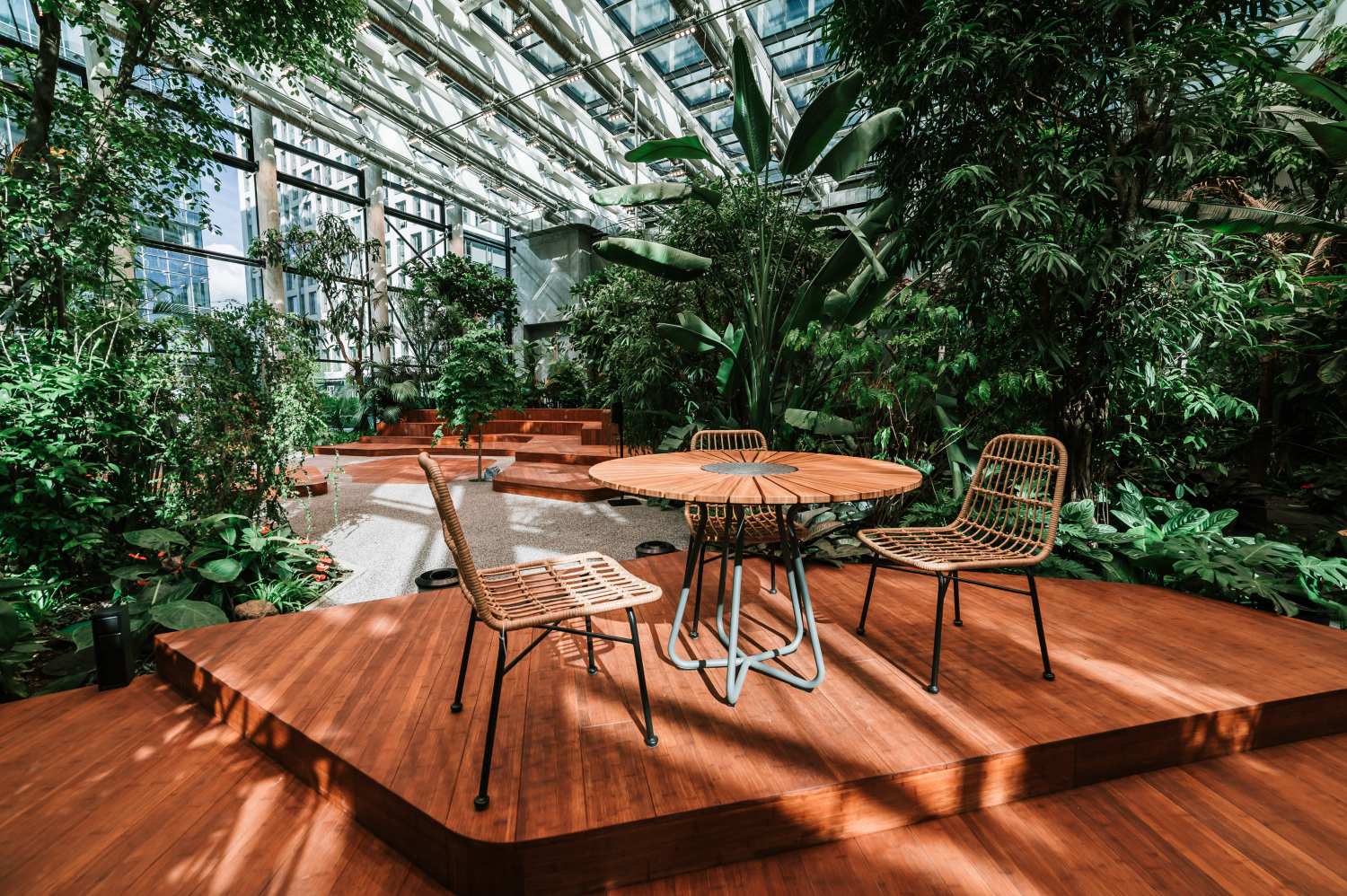
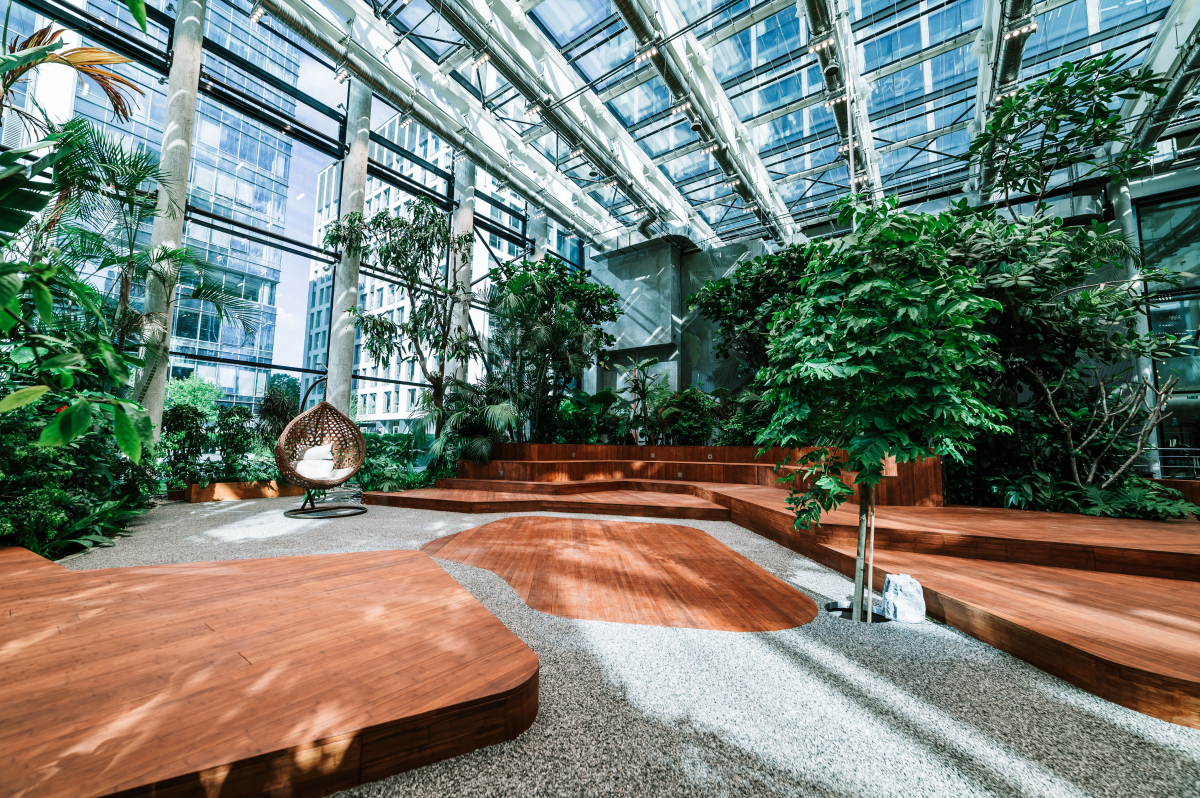
Beyond its role as a premier workspace, Olivia Centre has been deliberately designed as a vibrant, mixed-use ecosystem that goes far beyond traditional office leasing. The campus integrates an unparalleled range of services to meet the daily needs of professionals, visitors, and local residents alike. The hub features extensive amenities including medical and educational facilities, fitness clubs, and diverse gastronomy. A centerpiece of this holistic environment is Olivia Garden – a year-round, tropical green space of several thousand square meters serving as a natural retreat.


Central to the identity of Olivia Centre is its profound focus on building a resilient and engaged local community. The campus acts as a social catalyst, fostering interactions through a robust annual calendar of cultural, educational, and sports events. By cultivating proprietary initiatives – ranging from resident sports leagues and the Olivia Choir to numerous volunteering and networking programs – Tonsa Commercial ensures that the complex is not just a place to work, but a thriving community hub. This people-centric strategy significantly enhances tenant well-being, supports talent retention for occupiers, and creates a welcoming space that actively enriches the social fabric of the wider Gdańsk metropolitan area.


This holistic, community-driven vision is firmly rooted in a comprehensive Environmental, Social, and Governance (ESG) framework, as highlighted in Tonsa Group’s successive Sustainability Reports. Olivia Centre is a pioneer of sustainable real estate in Poland, continuously implementing solutions that reduce carbon emissions, optimize energy efficiency, and promote biodiversity. For institutional investors and global tenants alike, this rigorous dedication to ESG principles guarantees long-term asset resilience and aligns perfectly with modern corporate responsibility goals.


The Olivia Star transaction reflects a renewed inflow of international institutional capital into Poland’s regional cities, where the yield spread to Western European markets and Poland’s leading position in European GDP growth forecasts continue to drive investor demand. Tonsa Group will continue to develop, lease and manage the remaining Olivia Centre portfolio and is actively progressing further investments across its real estate platform, including the Olivia Home residential brand and the Group’s controlling interest in Pekabex S.A., the largest provider of precast concrete in Poland with operations across Poland, Germany, Sweden and the United Kingdom.


Olivia Pulse building offers residential apartments and marks the next step in the continued evolution of Olivia Centre, further broadening the destination’s offer and reinforcing its long-term mixed-use vision. It will complement a campus already positioned as a highly diverse, community-oriented environment, where office space is combined with services, gastronomy and amenities that support everyday life beyond traditional workplace functions. In this way, Olivia Pulse – developed by group’s Olivia Home – reflects the same user-focused and sustainability-driven approach that underpins the wider Olivia Centre platform and its ESG strategy.


Advisors. Tonsa Commercial was advised by Greenberg Traurig and Pinsent Masons (legal transaction advisory) and Tax Advisor Magdalena Zamoyska (transactional tax advisory). On the purchaser side, STRABAG Group was advised by KINGSTONE Real Estate (transaction advisory and process coordination), Act Legal (legal and tax), Savills (technical) and Baker Tilly (financial).


***

About Tonsa Commercial

Tonsa Commercial REI N.V. is a Rotterdam-headquartered international real estate investor, developer and asset manager. The Group’s flagship project is Olivia Centre in Gdańsk – one of the largest office complexes in Central and Eastern Europe – alongside the Olivia Home residential brand. Through its parent vehicle Tonsa SCA, SICAV RAIF, the Group also holds a controlling interest in Pekabex S.A., the largest provider of precast concrete in Poland, operating across Poland, Germany, Sweden and the United Kingdom.

For more information visit: www.tonsacommercial.com and www.oliviacentre.com


***

Press contact

Tonsa Commercial / Olivia Centre

Bogusław Wieczorek
Board Representative to Public Relations
boguslaw.wieczorek@oliviacentre.com
+48  501 951 937


***

Note on image rights. Photographs of Olivia Star and Olivia Centre may be used in the context of reporting on this transaction. Please cite “Tonsa Commercial / Olivia Centre” as image source. Photographs may only be edited within the context of standard image processing.