


A ceremonial 31st session of the Gdańsk City Council was held at Olivia Star in Gdańsk, during which a resolution was adopted to establish a new metropolitan union in Pomerania.
The Gdańsk Metropolitan Area is gradually becoming a reality. The next step toward its establishment was a ceremonial session of the Gdańsk City Council, attended by representatives of 61 municipalities forming the Gdańsk Metropolitan Area. Among the invited guests was also Elżbieta Bieńkowska, Chair of the Centre for European Policy Studies, former European Commissioner, Deputy Prime Minister, Minister of Infrastructure and Development, and Minister of Regional Development.
Gdańsk Metropolitan Area – a new growth impulse for Pomerania
The Gdańsk Metropolitan Area (GOM) represents one of the most significant institutional and developmental events in the region’s history since the local government reforms. The metropolis is set to begin operations on January 1, 2027, replacing the previously functioning Gdańsk-Gdynia-Sopot Metropolitan Area association.
The new structure will comprise 61 local government units, including cities, municipalities, and counties from the Tricity area and its surroundings. The area covered by the Gdańsk Metropolitan Area is home to over 1.5 million people, making it the second most populous statutory metropolitan area in Poland after the Upper Silesian-Dąbrowa Basin Metropolis.
Gdańsk will serve as the central hub of the metropolis, though its development is intended to rely on a polycentric structure that also includes Gdynia, Sopot, Wejherowo, Reda, Pruszcz Gdański, Tczew, and dozens of smaller urban and rural municipalities. The main goal of the reform is not to create a new administrative level or change the boundaries of local governments, but to establish a lasting mechanism for coordinating actions in areas where individual municipalities have limited capacity to act.
The metropolitan act will allow us to create a new institution responsible for spending the funds that, thanks to the act, will remain at the disposal of the residents of Pomerania – said Agnieszka Owczarczak, Chair of the Gdańsk City Council, after the session. And these are significant amounts, as in the first year the Gdańsk Metropolitan Area will have 150 million PLN at its disposal, and in the following years this amount will grow to as much as 500 million PLN annually, to be spent for the benefit of the residents of Pomerania.
Michał Glaser, President of the Management Board of the Gdańsk-Gdynia-Sopot Metropolitan Area, in turn emphasized the symbolism of the place where the resolution was adopted:It was at Olivia Star that the Smart Metropolis congresses were held, and it was here that knowledge tests about the metropolis took place, promoting the idea of establishing the union, so I am very pleased that this historic resolution was adopted precisely in this place. However, the most important work still lies ahead of us. Starting in January 2027, we will be working to make up for the backlog in public transport, so that buses, trains, and trams are managed by a single entity, allowing for a single ticket for Tricity residents, a coherent network of connections, and well-coordinated public transit. The second area of cooperation and benefit will be economic development and innovation, and we are counting heavily on entrepreneurs joining in the creation of the metropolis and becoming partners in the Gdańsk Metropolitan Area project.
The location of the session was not chosen by chance. Olivia Centre is a symbol of the region’s development, the business hub of Gdańsk, and a place offering views not only of Gdańsk but also of a large part of the metropolitan area. Olivia Centre has been a long-standing supporting member of the association, working toward the creation of the metropolis. In this largest business center in Poland, more than 200 companies operate, ranging from SMEs, which form the backbone of the Polish economy, to the largest, globally recognized brands – says Bogusław Wieczorek, Management Board Plenipotentiary at Olivia Centre.The strength of Pomerania stems from the region’s entrepreneurial spirit, but we believe that the establishment of the metropolitan union will enable even greater and better-coordinated regional development. We see the greatest opportunities in the development of public infrastructure, road networks and public transport, as well as funding for scientific research and support for innovation and cooperation between business and academia.
A key argument in favor of establishing the metropolis is the new financial opportunities it brings. The metropolitan union will receive a share of the PIT (personal income tax) revenue paid by residents of the region. According to local government estimates, as early as the first year of operation, the metropolis could have around 150 million PLN in additional funds at its disposal, while after full implementation of the system, the annual budget could reach as much as around 500 million PLN. This means that a significant portion of funds that previously went directly to the state budget will now remain in Pomerania.
Public transport is likely to be the biggest beneficiary of the new funds. The metropolis will gain the authority to integrate bus, rail, tram, and trolleybus transport, and to create a unified transport policy for the entire area. Plans include further development of the joint metropolitan ticket, synchronization of timetables, and the elimination of so-called transport blind spots, i.e. areas with limited access to public transit. Additional funds may be allocated to purchasing new rolling stock, developing rail and bus connections, and carrying out road investments of supra-local significance.
The new metropolis will also be responsible for strategic spatial planning and the coordination of major infrastructure investments. This will make it easier to jointly prepare transport, logistics, and economic projects whose impact extends beyond the borders of individual municipalities. It will also facilitate access to domestic and European funding for projects carried out on a region-wide scale.
An important feature of the Pomeranian metropolitan act is its strong emphasis on environmental issues. The coastal region is particularly vulnerable to the effects of climate change, which is why environmental protection and climate change adaptation have been included among the metropolis’s responsibilities. This opens the way for joint implementation of projects related to water management, protection of coastal areas, improving air quality, increasing energy efficiency, and developing green infrastructure.
A particularly interesting solution is the statutory support for research and innovation activities. The regulations stipulate that at least 5% of the metropolitan union’s budget will be allocated to scientific research and cooperation with universities. This means it will be possible to finance projects carried out jointly by local governments and the academic community, including, among others, the University of Gdańsk, Gdańsk University of Technology, and the Medical University of Gdańsk. With a budget reaching 500 million PLN annually, this could mean around 25 million PLN allocated each year to the development of knowledge, research, and innovation.
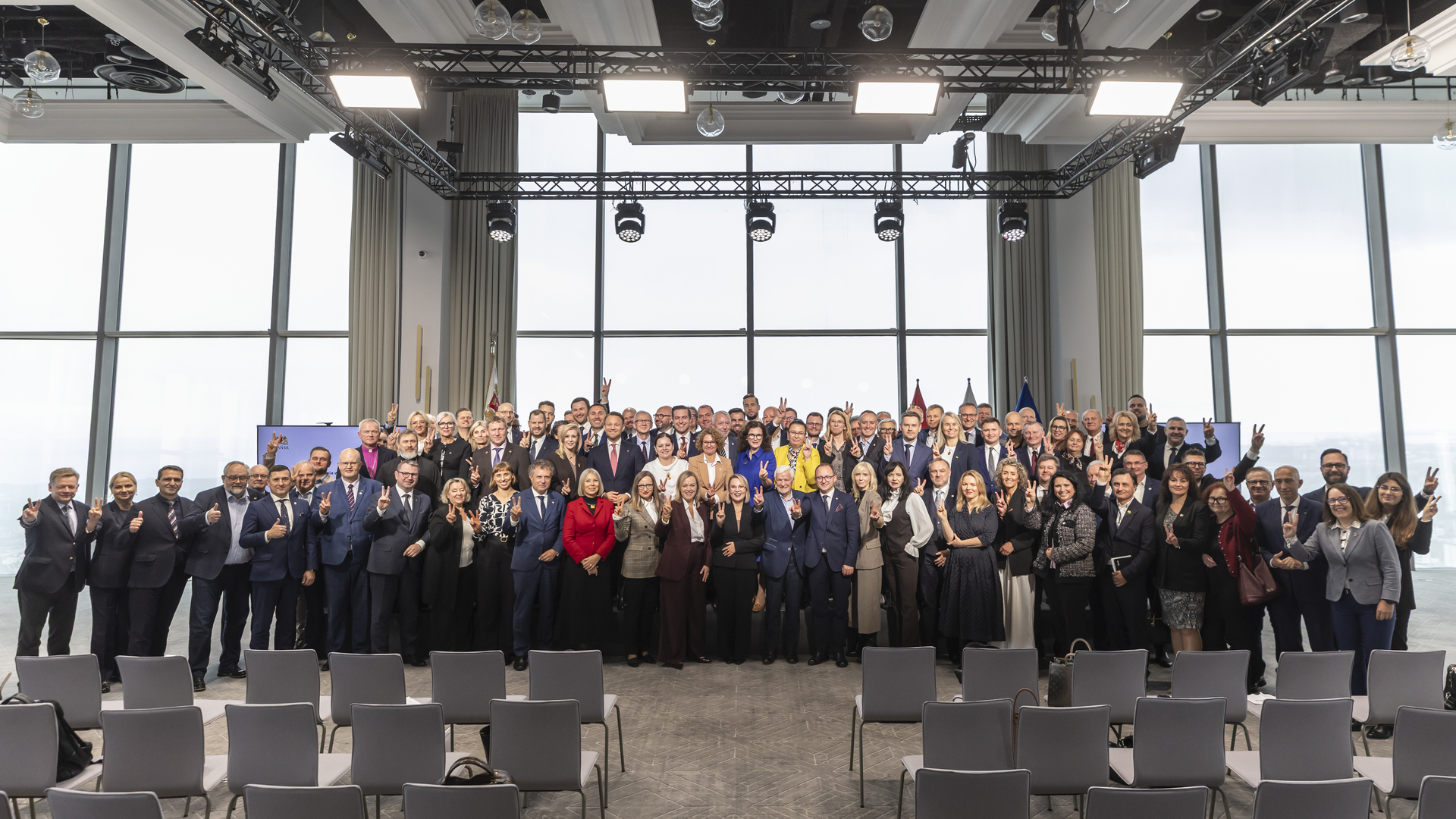
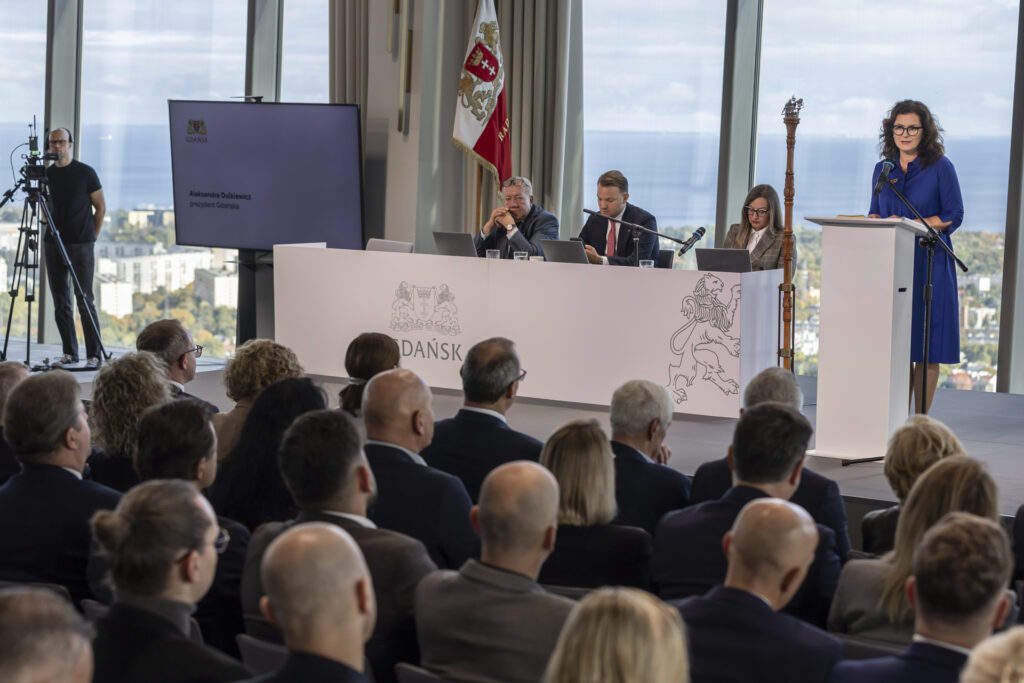
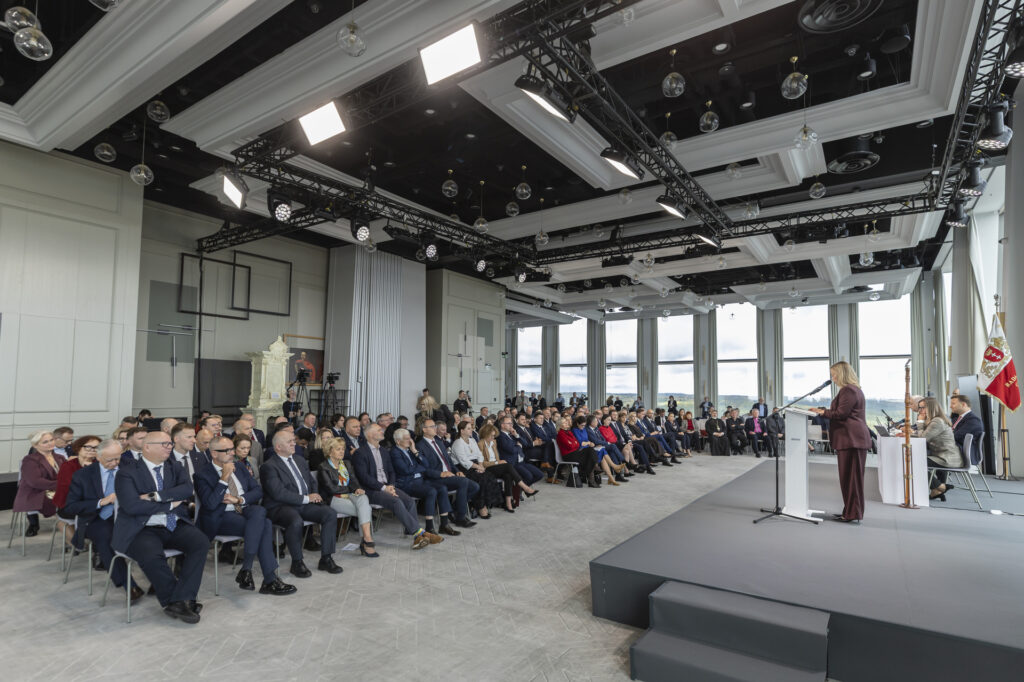
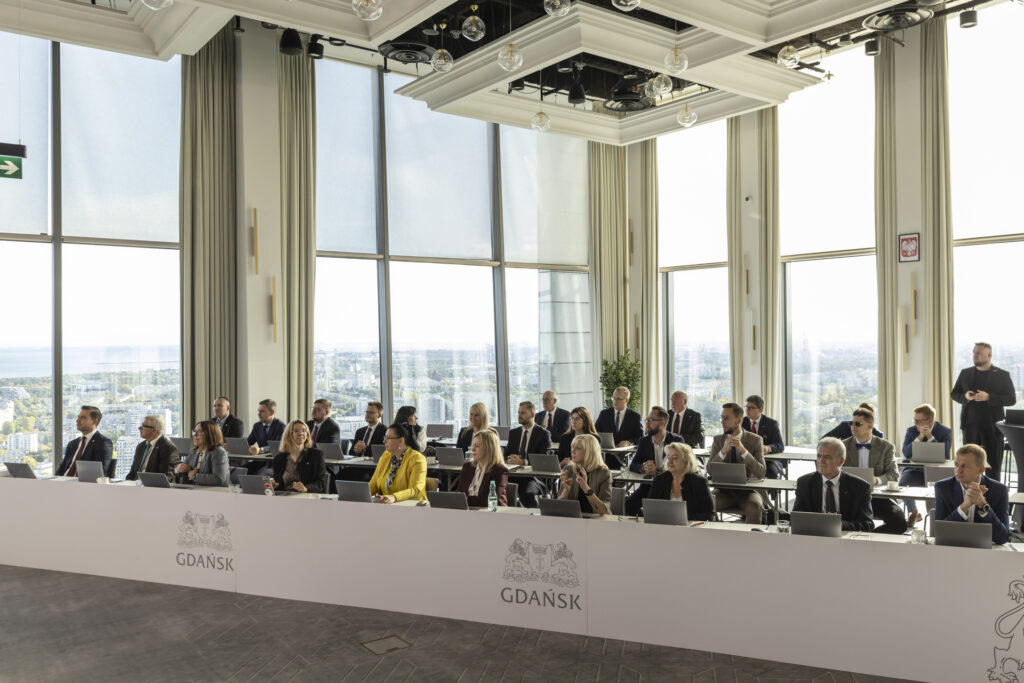
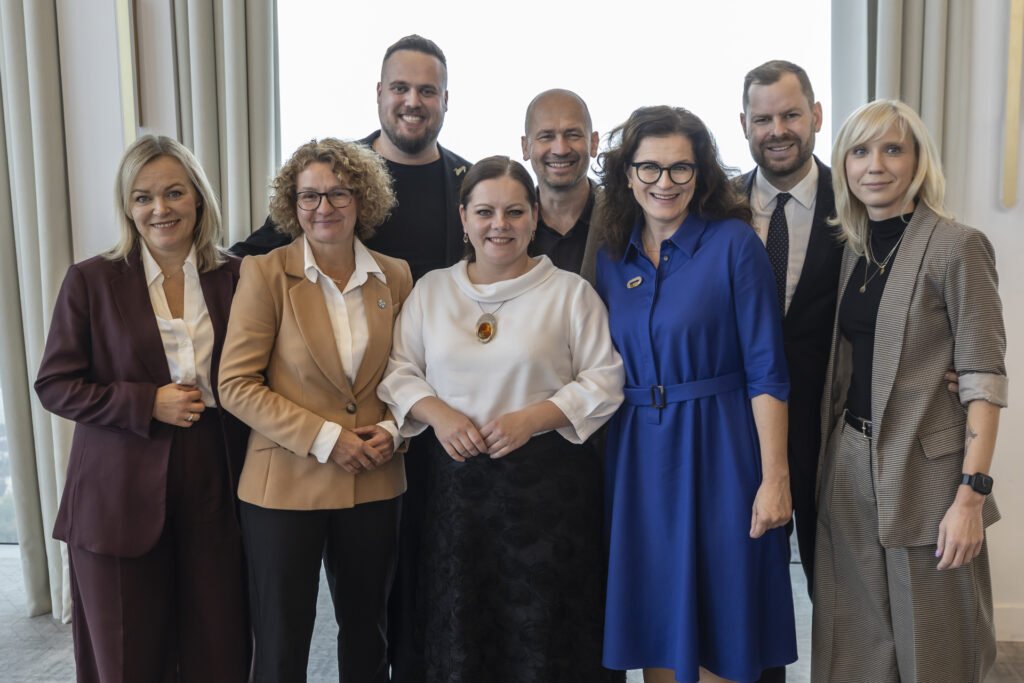
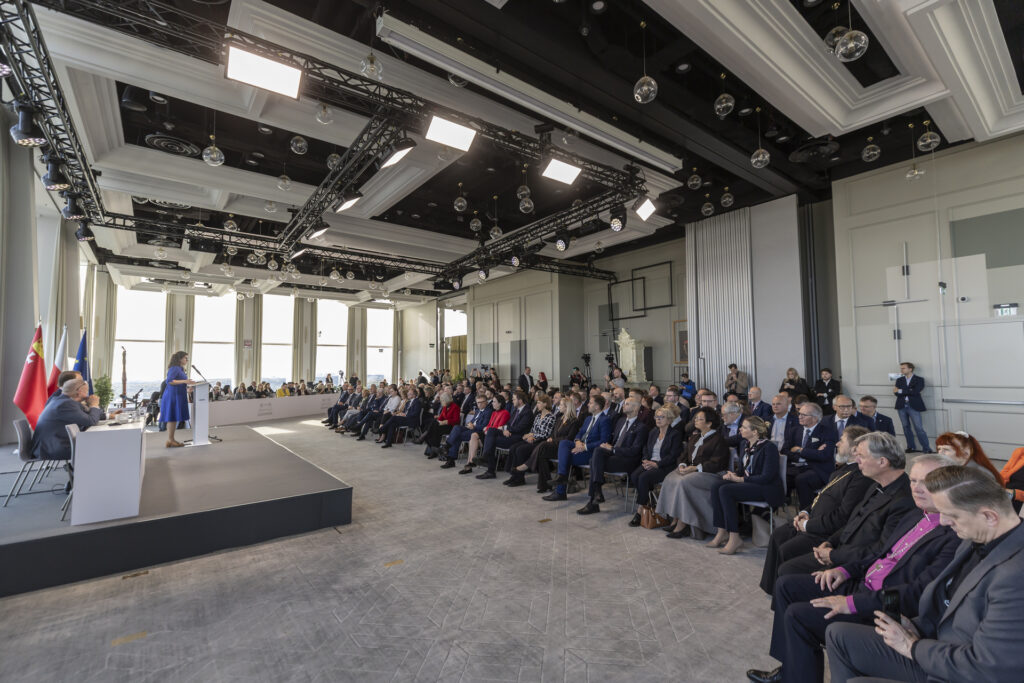
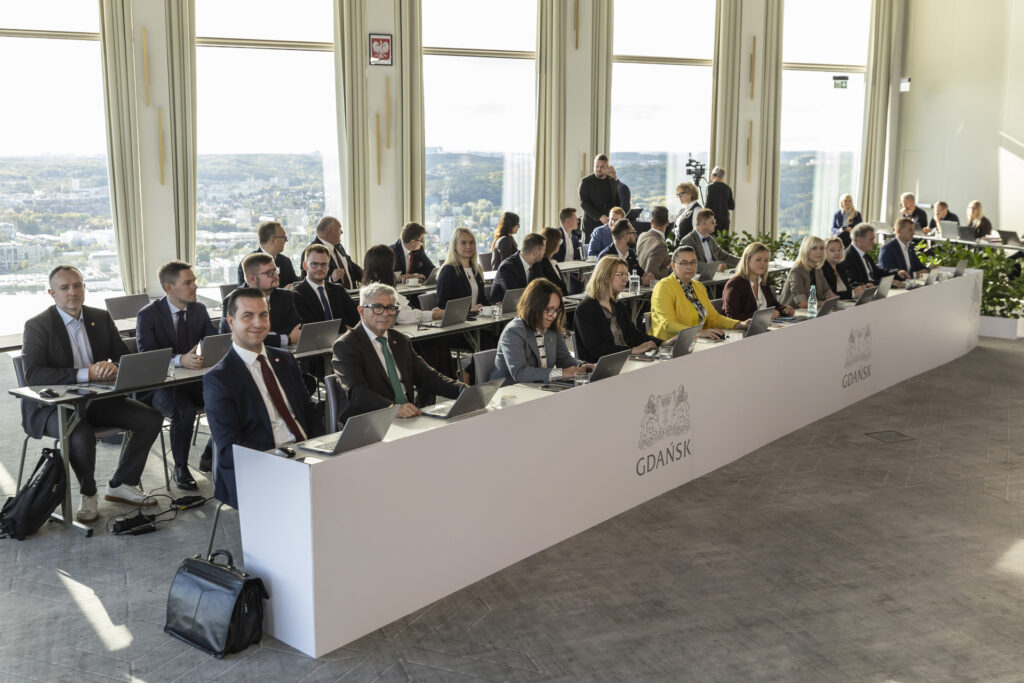
Photo: Grzegorz Mehring


