

Spring is coming, so we are starting a large-scale cleaning in Olivia! In the coming weeks, we will systematically refresh and tidy up common spaces – green areas, patios, garage halls, shower changing rooms and infrastructure around buildings. Winter did not spoil us, so there will be a lot to do:) Check here, because more information about our activities will be presented here.
What lies ahead in March?
>
Cleaning up outdoor areas
From March 16 , we will start cleaning work on the outdoor area around Olivia’s office buildings. The works will primarily include the removal of road salt residues after the intense winter period and the cleaning of the entrances to the main buildings.
Of course, all activities will be carried out during the day, outside the morning and afternoon rush hours, to minimize possible difficulties. Building security will also take care of fencing off the area for the duration of the work, so that you feel comfortable and safe.
The estimated time of completion of all works is about two weeks.
Repair of the surface of the upper car park B
On Friday, March 20 , we will start repairing the asphalt surface in the upper car park B. The works will last until late in the evening on Saturday, March 21, with the possibility of extending them on Sunday, March 22.
To enable the renovation works to be carried out efficiently, the upper car park B will be closed to users on Thursday, March 19 at 7:00 p.m.
 Please do not park your vehicles in the upper car park B on the indicated dates: from Thursday, March 19 from 7:00 p.m. to Sunday, March 22 at 09:00. Lower car park B remains at your disposal during this time. The entrance to the lower car park B will take place from Marii Janion Street (former Bażyńskiego). On the above dates, the barriers of the lower car park will be raised.
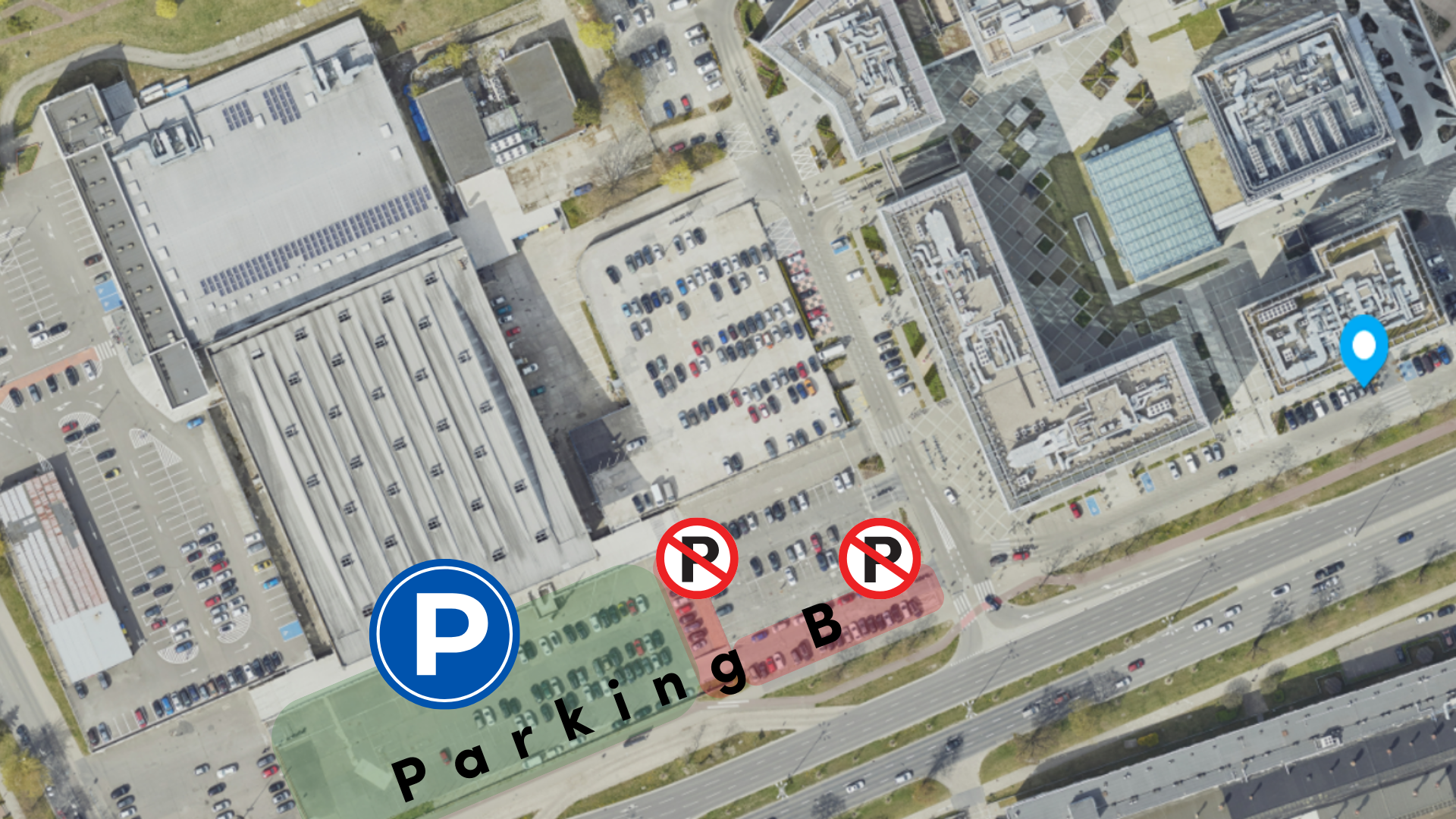
We park only in the lower car park B (green)
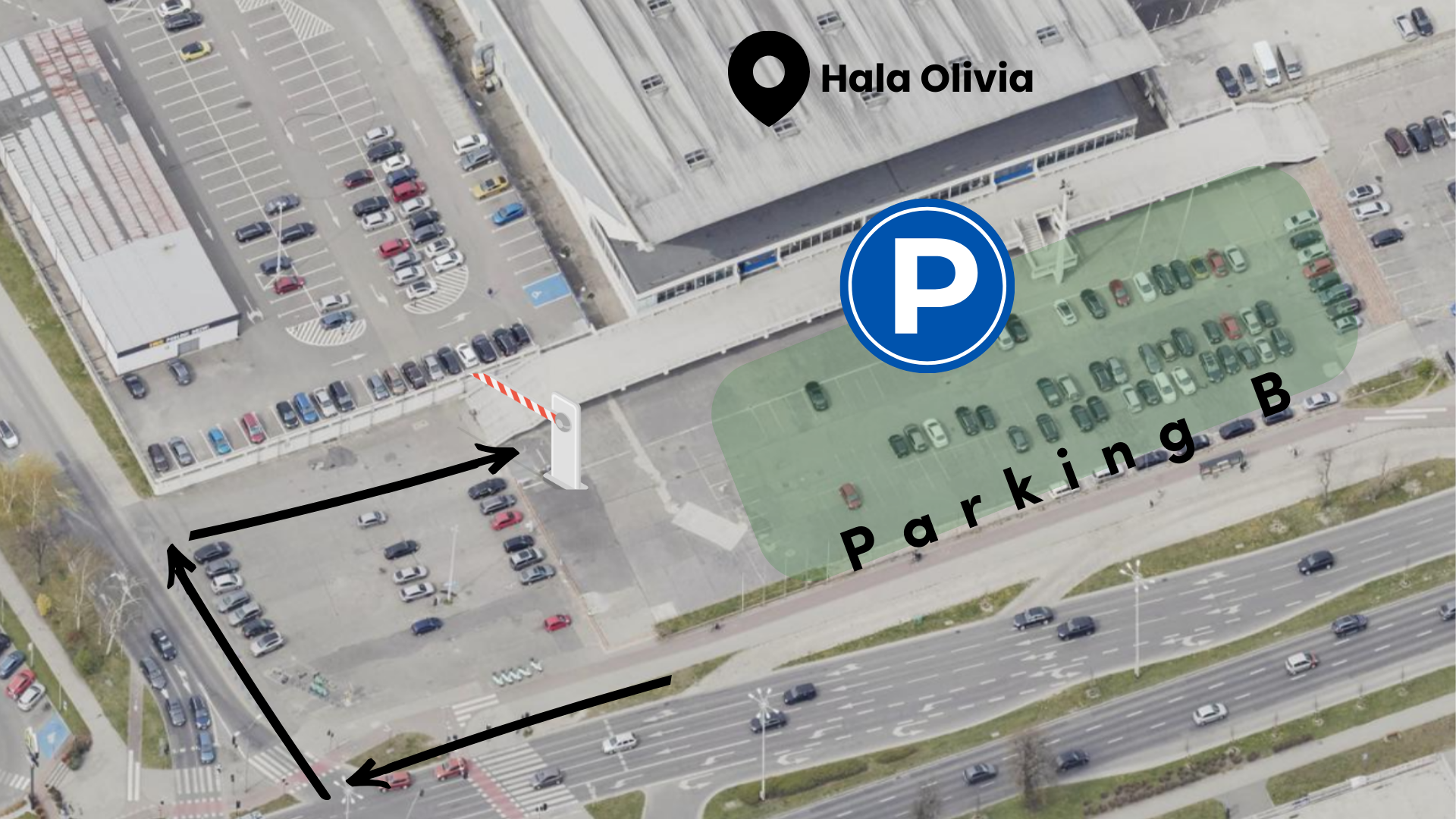
Entrance from Marii Janion Street, turn into Marii Janion Street from Grunwaldzka Avenue.
>
Cleaning in bicycle changing rooms
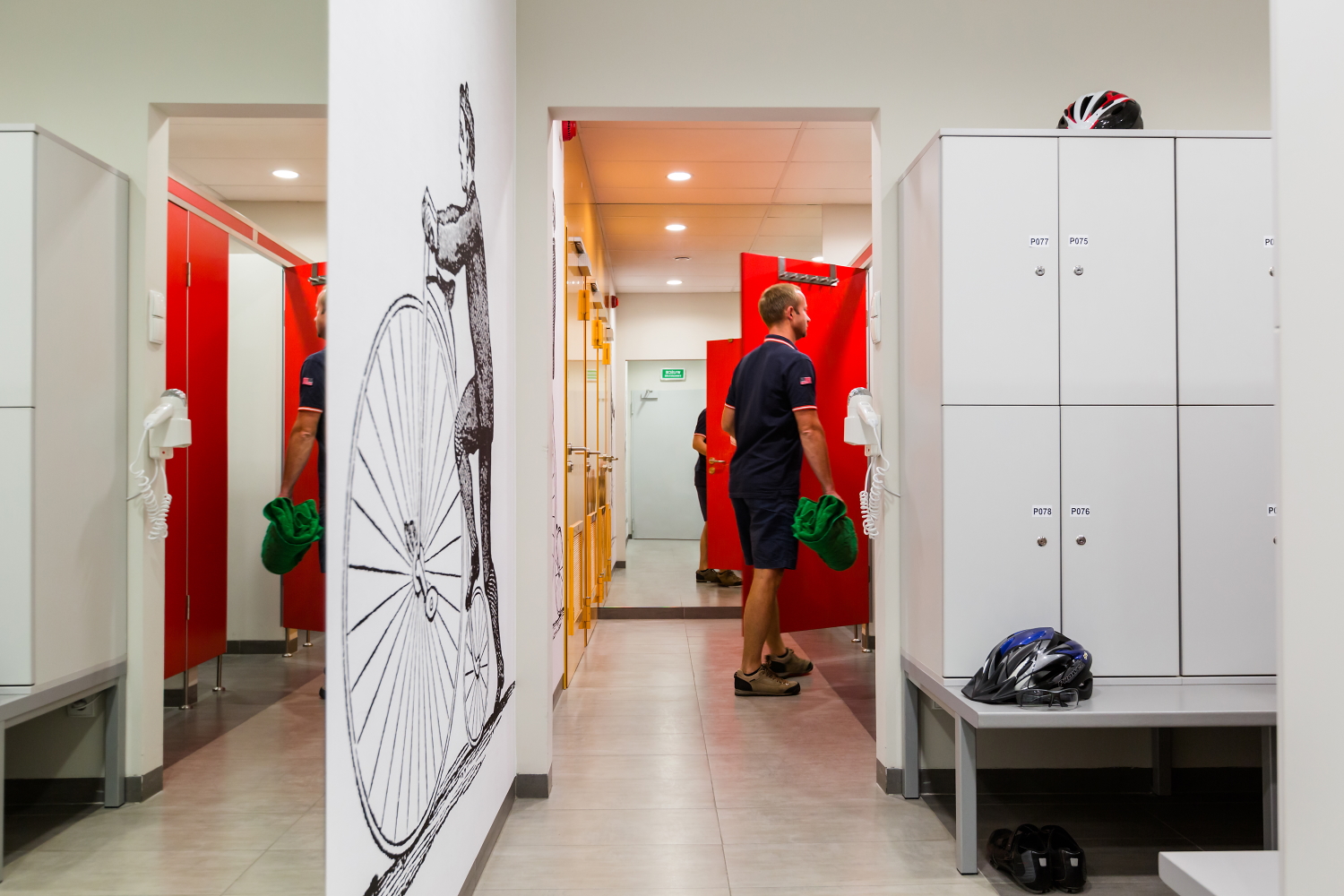
The next action will take place on March 26-28 (Thursday-Saturday) – then we will carry out a general cleaning and refreshment of the bicycle changing rooms.
We ask that all private belongings, such as shoes or towels, be hidden in your lockers by March 25 (Wednesday) at the latest. Items left outside the lockers will be taken by us and disposed of.
During the works, the bicycle changing rooms will be temporarily closed. We ask for your understanding and patience. This is a temporary inconvenience, and the result, we hope, will be dazzling.
This is just the beginning of our spring activities. In the coming weeks, we are planning further cleaning and refreshment work in various parts of Olivia. We will keep you informed about the details, and there will be more specific actions, because we want Olivia to look as good as possible with spring.