Flexibility – the key word of the office market

The office market in recent years can be summed up in one word: volatility. The pandemic, the change in the model of work from office to hybrid, changes in energy costs, labor codes, labor costs and the entry of artificial intelligence mean that “flexibility” can be announced as the key slogan in the commercial real estate sector. The winner is the one who can listen to the market and adapt to changes. This is not only a tip for everyone who runs a business, but also for the entire business support sector: from suppliers of office supplies or fruit for the office, to the owners of the largest business centers. With the level of volatility observed in recent years, each of these industries had to learn to function in the new reality.


The changes that we all observe cause the need to hire, lay off, select space or release it, and incur the costs of office rearrangement. And with such dynamic external conditions, these activities often require really considerable operational skills and meeting the considerable costs of these processes.


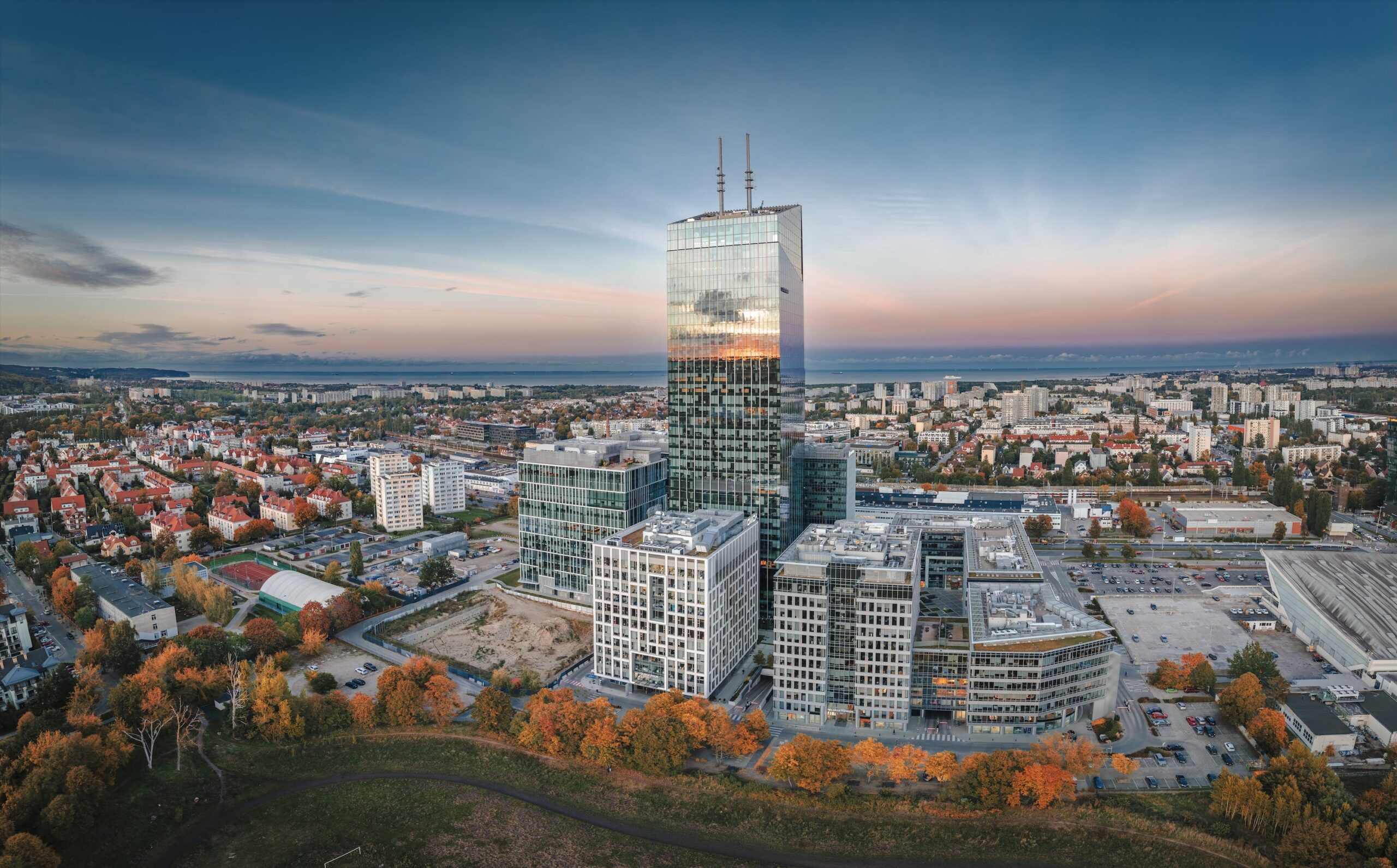
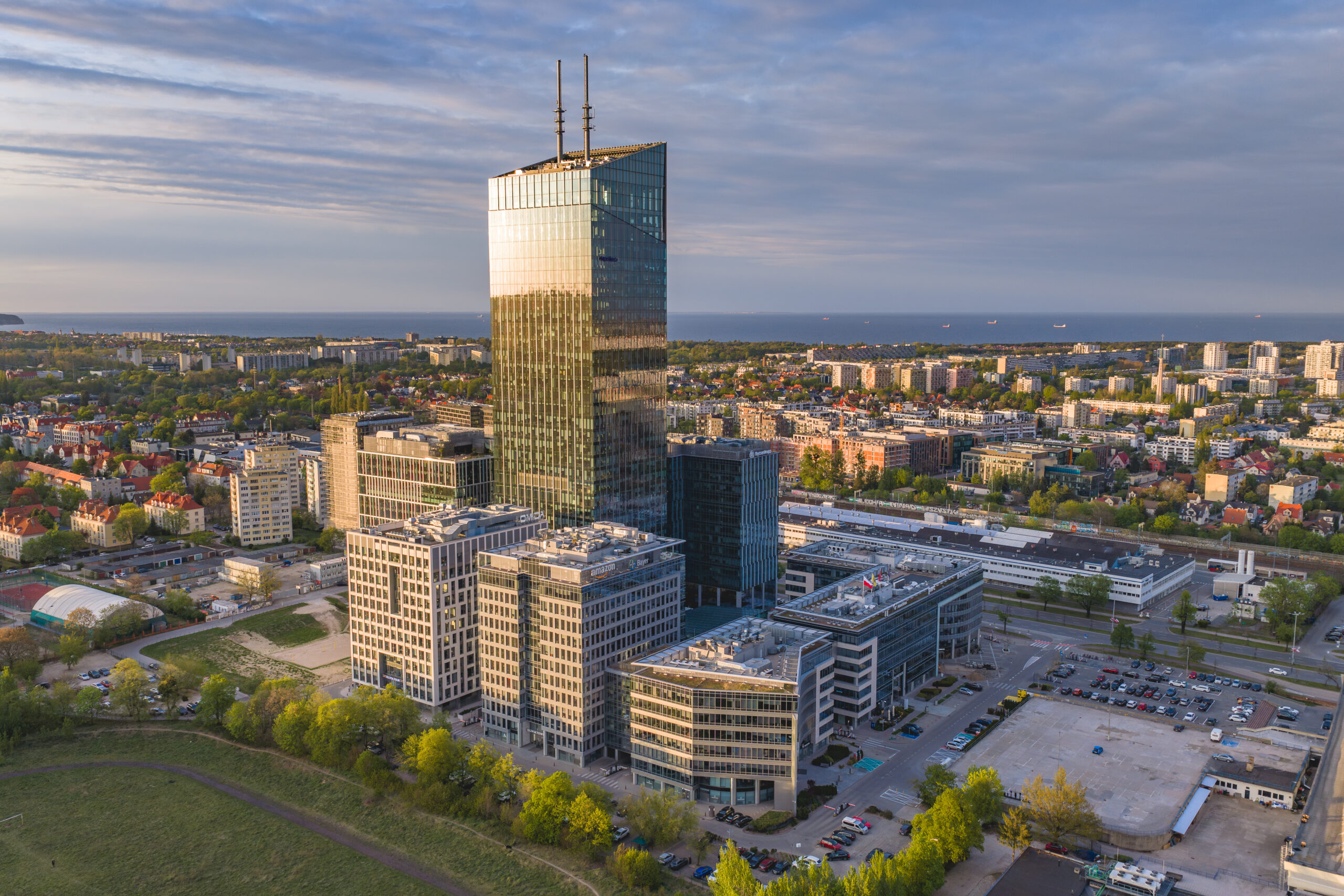
It is for these reasons that the choice of the location where the business is conducted is crucial. The realities of recent years mean that our Residents need a partnership approach and understanding of their current needs and even more flexibility – says Michał Klepczyński, Director of the Commercialization Department at Olivia Centre. – In previous years, there were more frequent situations when companies were growing dynamically and needed effective support from us in the area of space selection. As a rule, this is not a challenge if the space is available within the same building. The problem arises when the demand increases during the ongoing contract and the possible development options are only available in other buildings. Olivia was created for such tenants, where 180k m2 of space is in the hands of a single managing entity that designs, commercializes and manages all space. This allows us to move growing residents even during the term of the lease agreements and allow them to develop on a new larger space within a single building and contact.


Currently, such dynamic growth scenarios as in previous years occur less frequently, companies scale more slowly, and the growth of their business is not always associated with an increase in demand for space. Due to the persistence of the hybrid work model, companies much more often need support in optimizing the leased space, and this raises a number of challenges, also on the part of the facility manager. The scale of the challenge is well known to architects, interior designers and contractors, who are responsible for adjusting the space to the standards expected by new tenants. The tasks they face are important, because even if the offices they are handed over are finished to a high standard, the new tenant has their own preferences and it is not uncommon to need a significant rearrangement of the space before it is possible to move into the vacated office. As confirmed by Artur Kuczyński, responsible for the Design Anatomy design office, as well as the finishing company Construction +, the number of such orders is growing every year: Every year we rebuild tens of thousands. m.kw. different types of surfaces. However, by working in the design & build formula, we can significantly reduce the budgets of these tasks and have a very flexible approach to project implementation. Experience has taught us to organize processes in such a way that instead of generating unnecessary costs, we focus on making the most of the potential of the existing spaces. Working together with the client allows you to provide comfort and peace of mind for both customers and the owner of the facility.


An example of smaller-scale development is Sea Global, which provides engineering and technical consulting for the energy industry, particularly offshore. For Sea Global, choosing the right work environment and business environment remains an important part of its development. Sea Global has its offices in Olivia Centre, which is adjacent to other companies from the energy sector, such m.in: Polskie Sieci Elektroenergetyczne, Energa from the Orlen Group, as well as a branch of PEJ, responsible for the construction of the first Polish nuclear power plant, and a number of other potential co-operators and companies providing business support services. As Angelika Gojdycz, Operations & Marketing Specialist at Sea Global, emphasizes, the conclusions from the choice of the location of the office turned out to be a very good direction: From the beginning of Sea Global’s presence in Poland, the location in Olivia Centre was the first and logical choice. An important element was also the efficient functioning of the office space and access to fully equipped infrastructure. The whole thing was complemented by the commitment of Olivia’s team and their openness to the needs of the community, which translated into a comfortable and well-organized work environment.


Representatives of other companies also speak in a similar tone. Kamil Parafiniuk, a member of the management board of Develocraft , emphasizes that one of the goals that the company has set for itself since the beginning of its existence was to find a location thanks to which they could develop their business: We chose this place because we want to be part of the vision that Maciej Grabski initiated in 2011. This is where the business heart of the Tri-City beats. By choosing Olivia, we have become part of the largest business hub in Northern Poland. We are continuing the strategy launched in 2025, which aims to attract foreign investments to Polish, with particular emphasis on the potential of Gdańsk. A prestigious location, which we indicate as a priority when inquiries from investors, is a big advantage. What is worth adding is that there are many companies in Olivia that have started working together, thanks to the same place of business.
 

It also happens that companies try to look for subtenants on their own, but this rarely brings good results due to the lack of knowledge of the market and the lack of human resources experienced in this type of processes. These are often difficult and time-consuming procedures, requiring first finding a new tenant, and then coordinating financial, legal and technical issues related to the division and adaptation of space for both the applicant and the new tenant – says Michał Klepczyński. From the perspective of the facility manager, we have to look at the rental rate in the remaining buildings. To put it simply – supporting the tenant and introducing him to the office during the term of the main tenant’s agreement means that we resign from filling another vacant space in the complex. When approaching cooperation in the long term, because this is what we try to operate in – it is the partnership approach, flexibility and support in difficult situations that build our reputation on the market, and above all, create relationships and trust. This is often one of the foundations when choosing Olivia as a place for further business development.


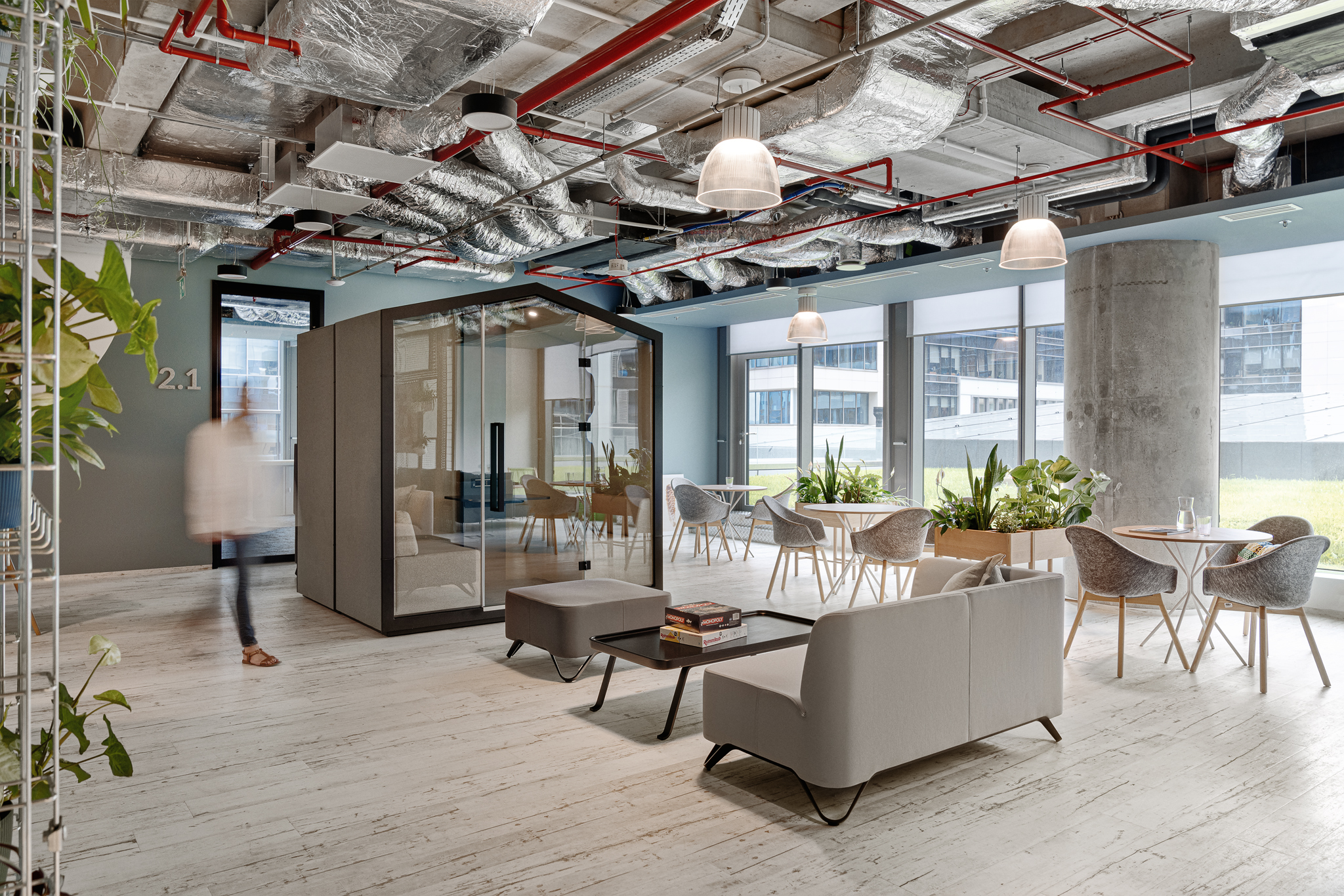
Additional opportunities for tenants are provided by the presence of a coworking facility in the facility, the lease rules of which are generally much more flexible than standard offices, and often it is coworking that is an excellent solution during transition periods, or during the implementation of longer projects by tenants. Special events organized by coworking spaces for their community are also an added value. Events, workshops and conferences serve to expand knowledge, but above all to network and business development.


As Marta Moksa, director of O4 Coworking at Olivia Centre, emphasizes, flexibility is inscribed in O4’s DNA: When we study the satisfaction of our customers, it is flexibility, openness to tenants’ expectations and their needs that are among the first associations with us. However, flexibility is always emphasized as the most important factor determining tenant satisfaction. And we interpret it in many ways: the first is a flexible form of office rental. That is, renting office space for short periods, with the option of changing at any time. A change can mean quickly choosing a space for a moment or permanently, reducing it or even giving it up in moments of turmoil. This possibility of looser bonding is crucial for many bosses – recent years have shown that you can have 10 employees in one month, 40 in the next, and then go down to 5 in a moment. Thanks to a flexible contract and having almost a hundred offices (from 3 to 36 people), we are able to be a key operational partner of our Clients. This group of needs also includes large corporations implementing temporary projects or opening new branches in the Tri-City. It is also important for them to be able to use the space for a few months, and finally rent their own office, most often in Olivia Centre.


O4 Coworking | Olivia Star


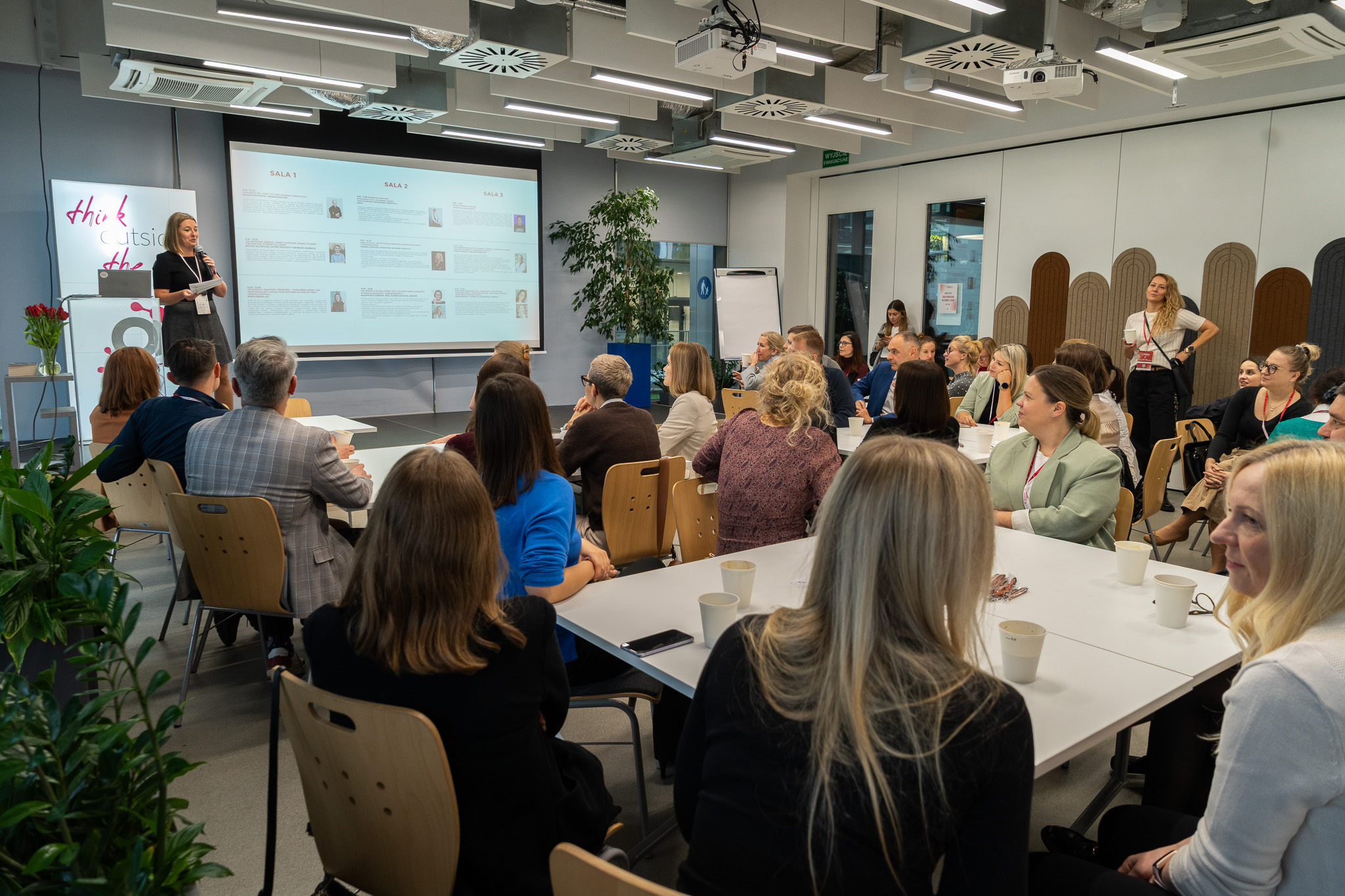
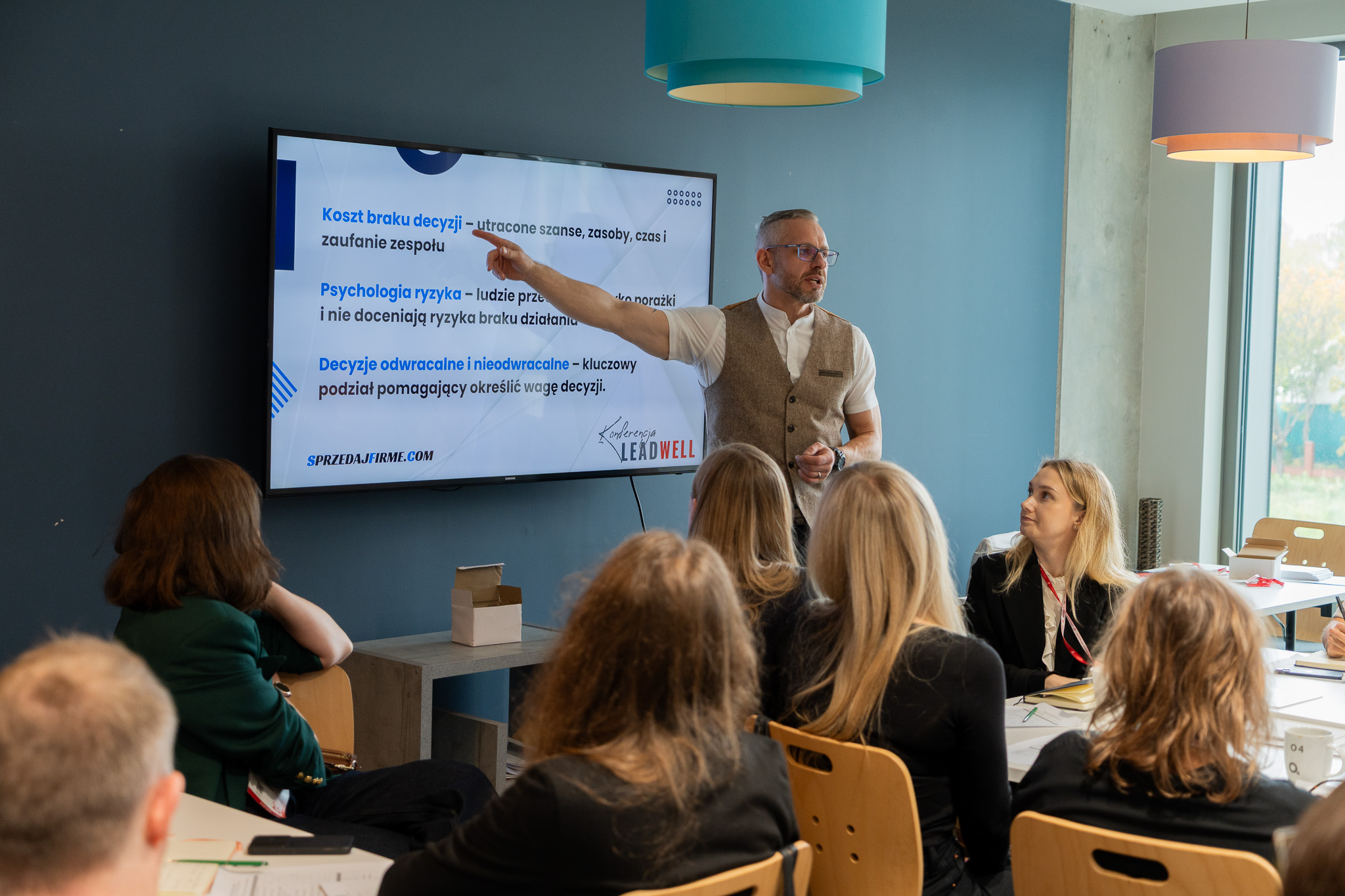
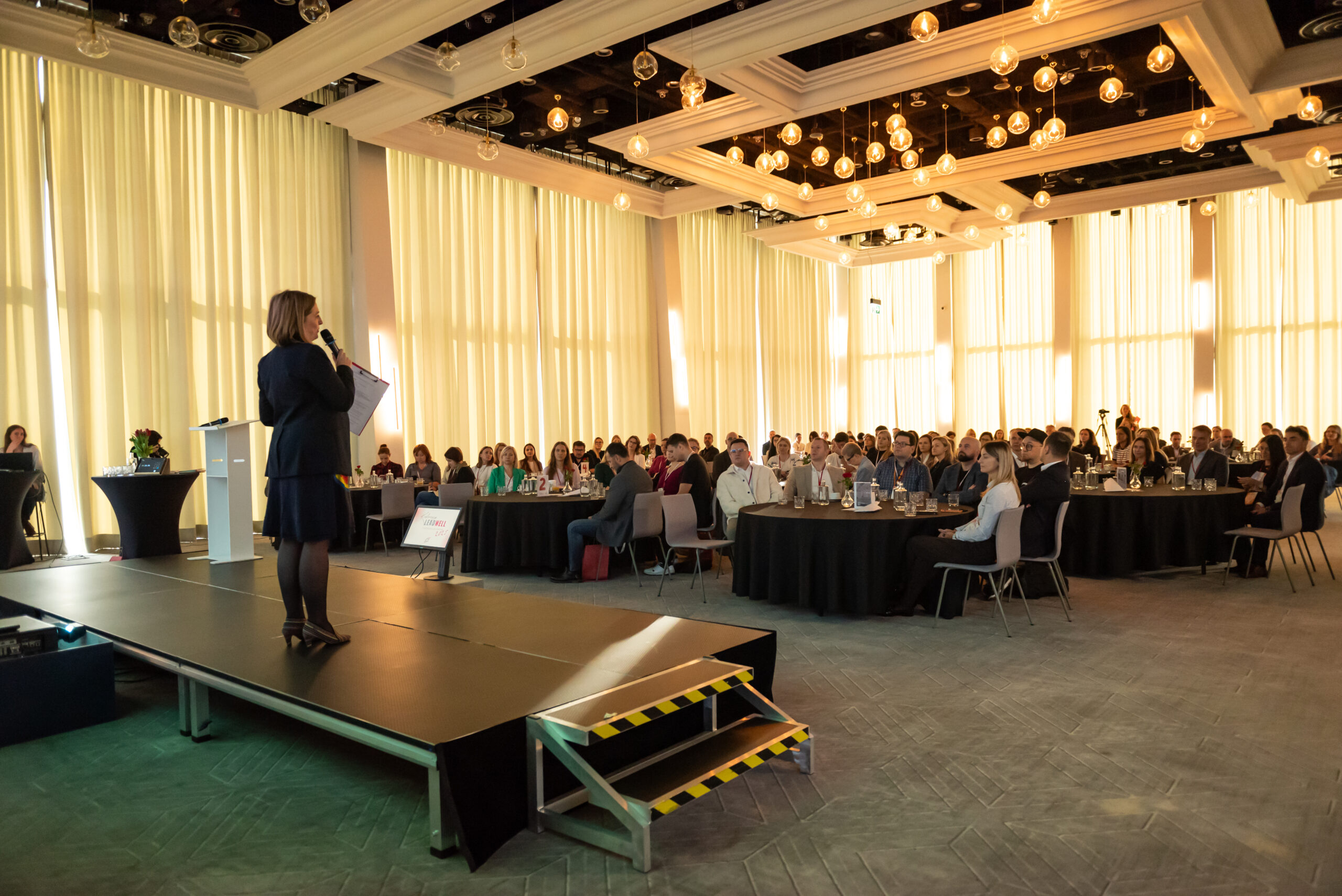
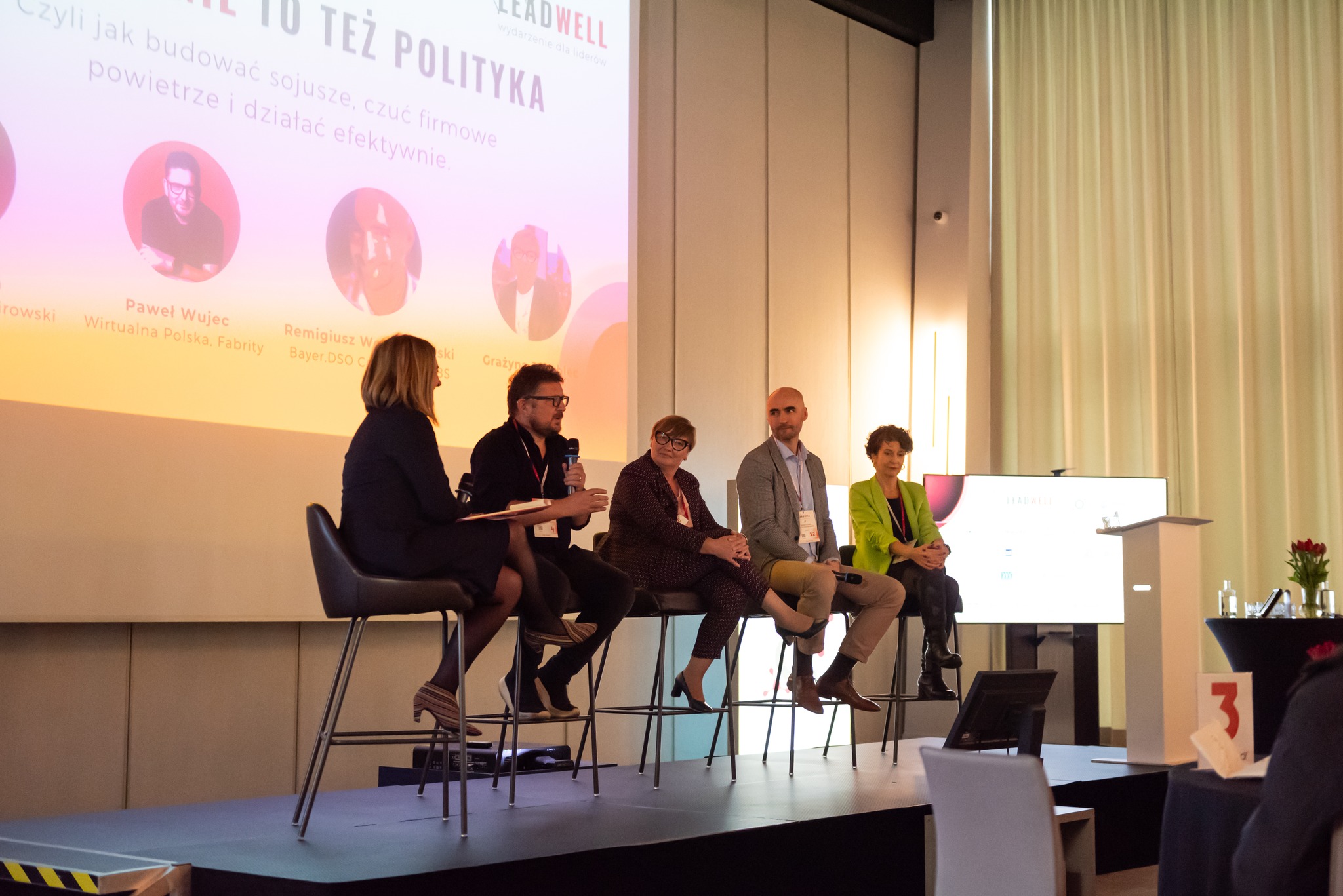
As Marta Moksa emphasizes, flexibility is also the need to respond to the ever-changing needs of customers: We have learned that nothing is impossible for us. Integration event? We will help! Development workshop? We will implement it. Recruitment, especially of young people? That’s why we’re doing the 8th edition of Speed Recruitment Dating. Building a network? That’s why we have conferences that have already become a permanent part of our calendars: LeadWell and Captain’s lunch. Sometimes there are also such unusual requests as renting a ping-pong table, and we can also meet them.


The development of a flexible form of business support is an added value in large office centres, offering opportunities that a smaller supplier will never provide. It not only allows the companies themselves to grow, but also affects the competitiveness of the center, and experience shows that flexibility and a wide range of support are important for both SMEs and large corporations.

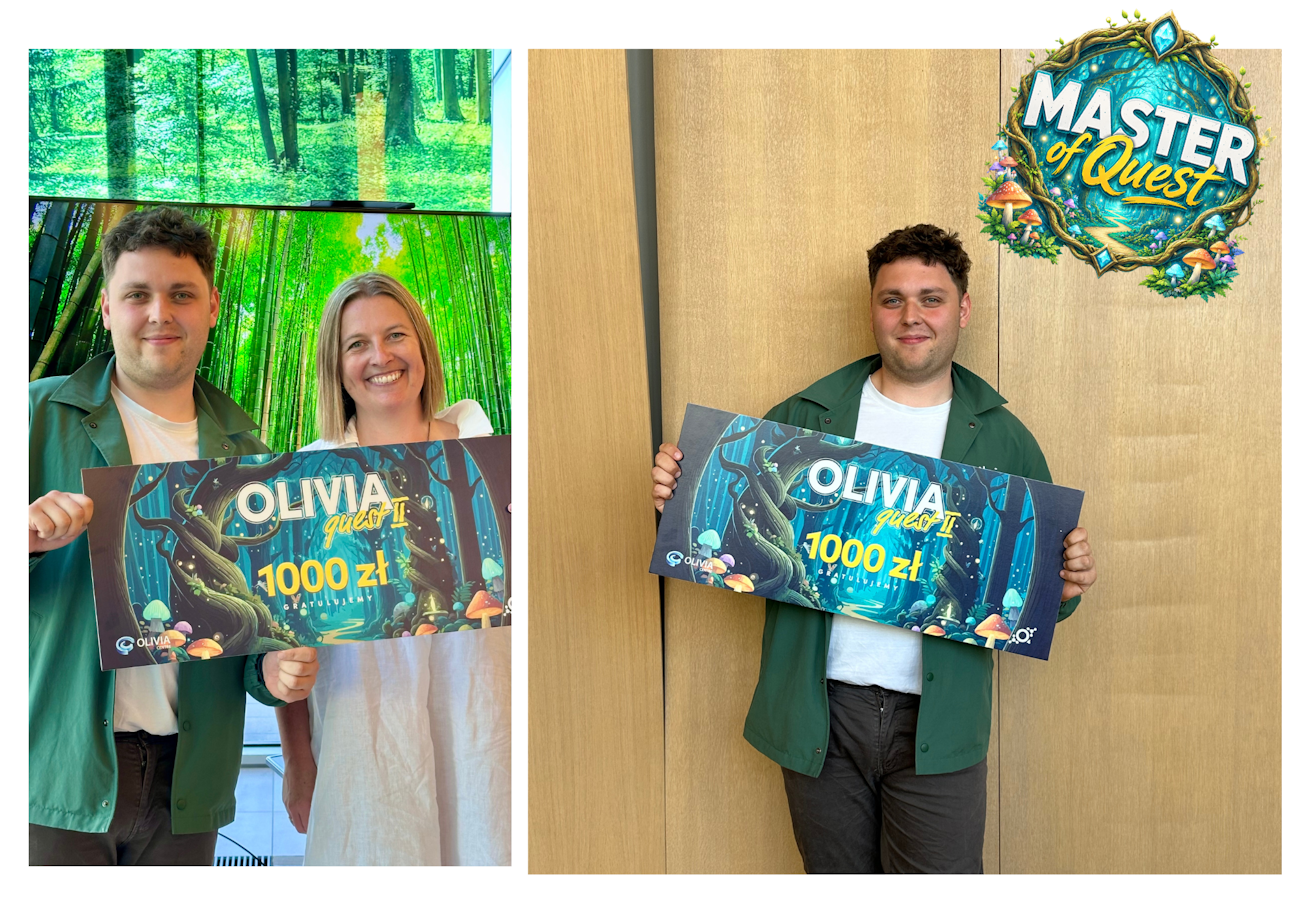
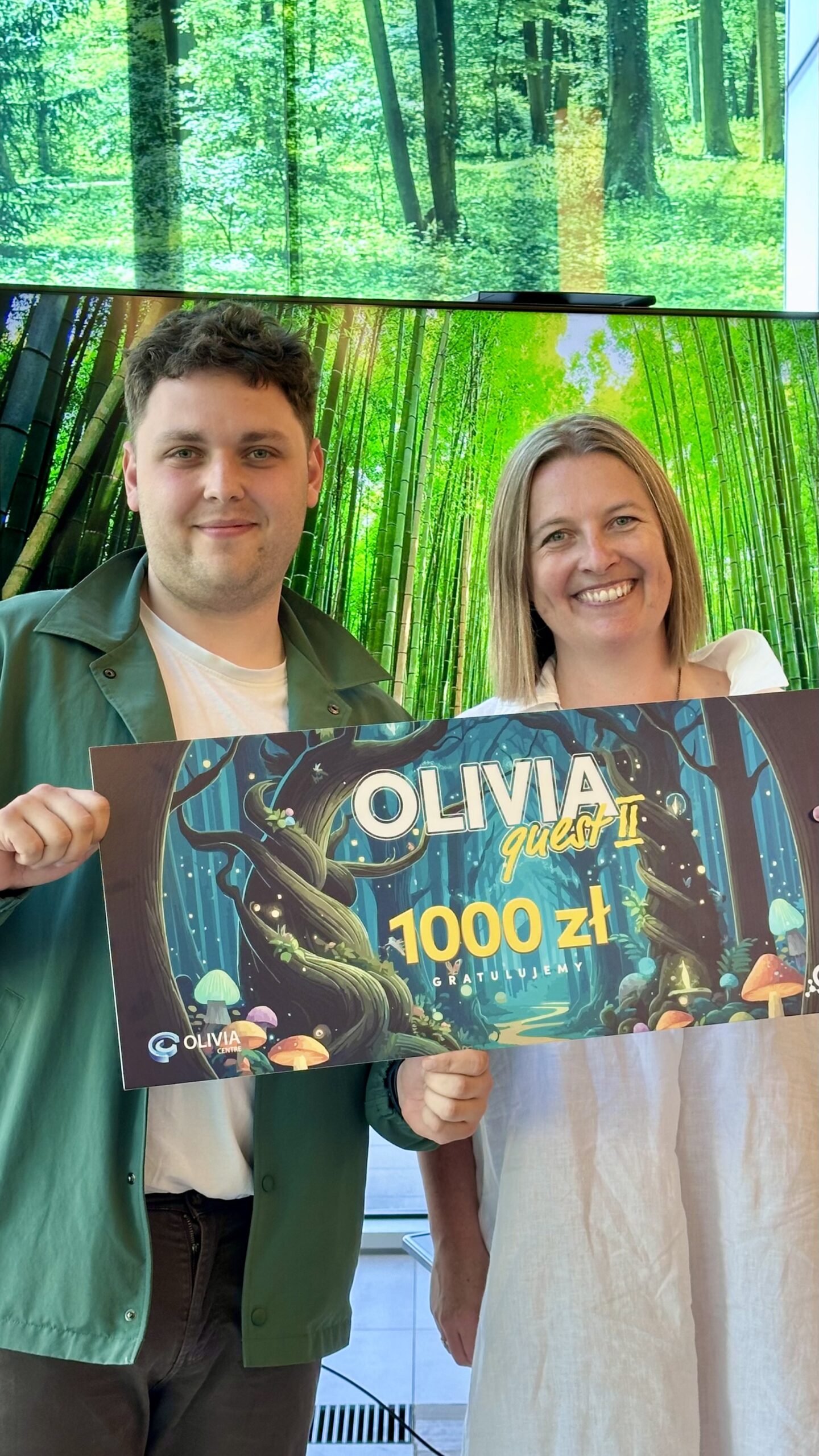
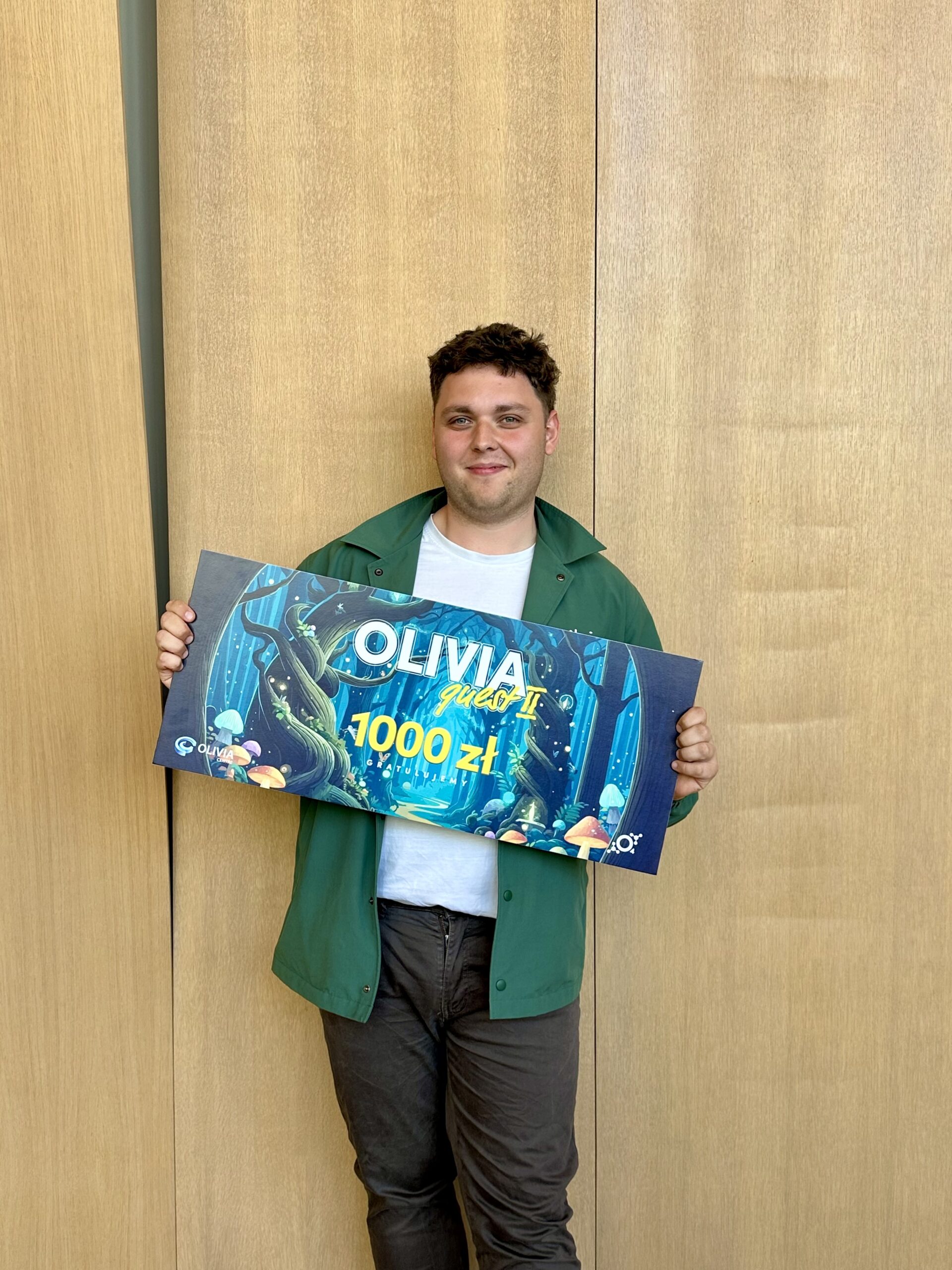
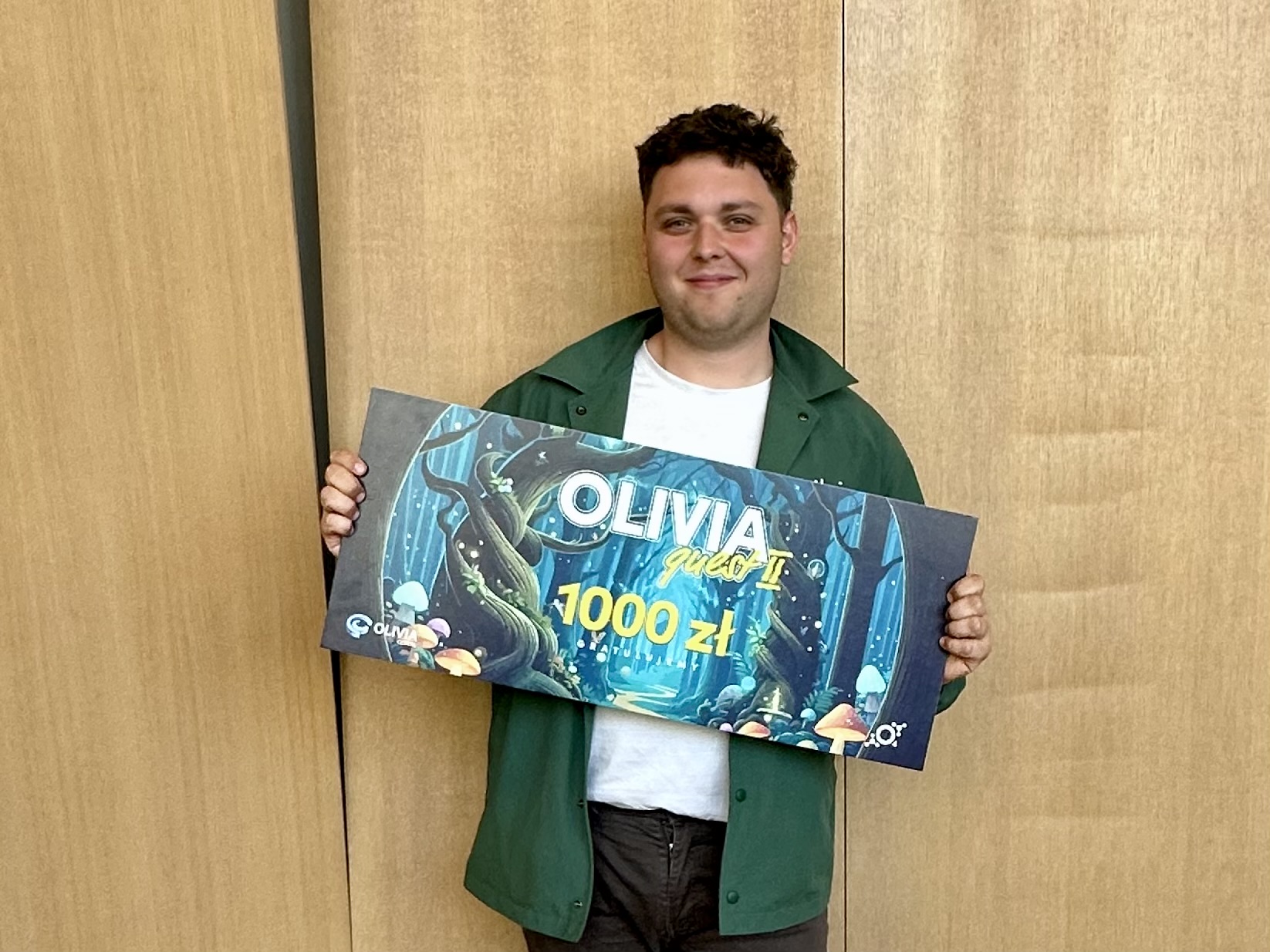
We know the winner of Olivia Quest 2! The best of the best is Mateusz from Skywise!

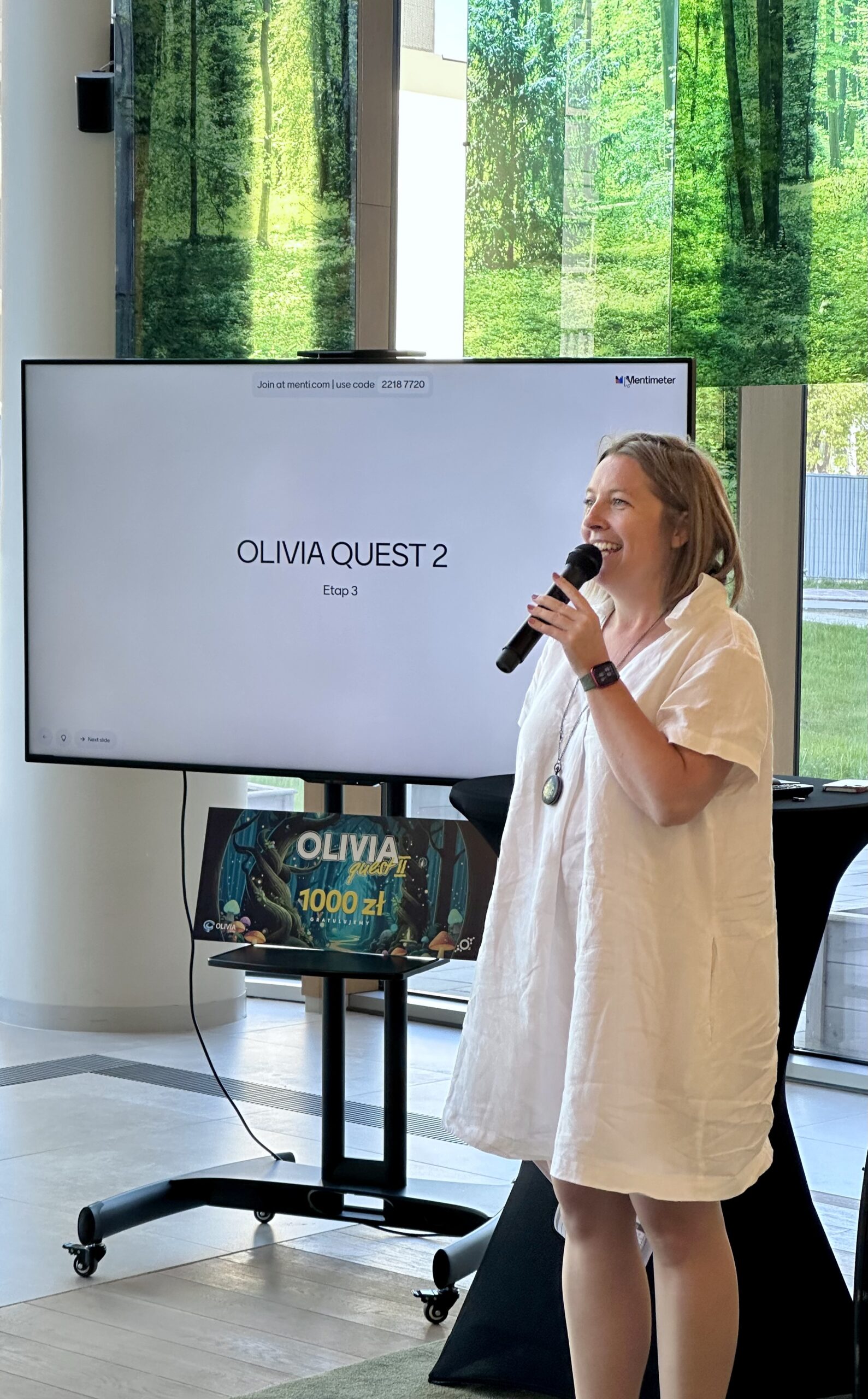
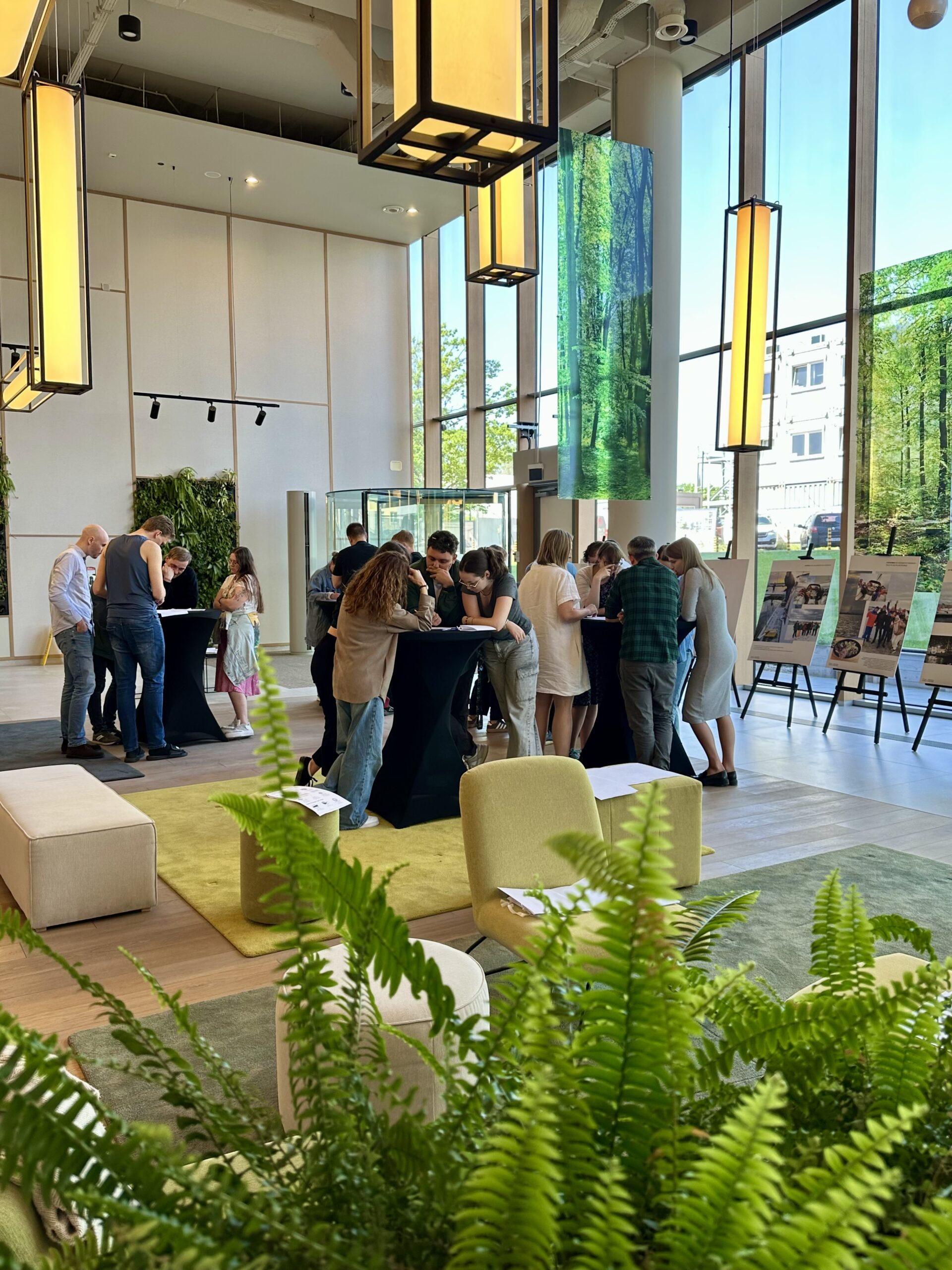
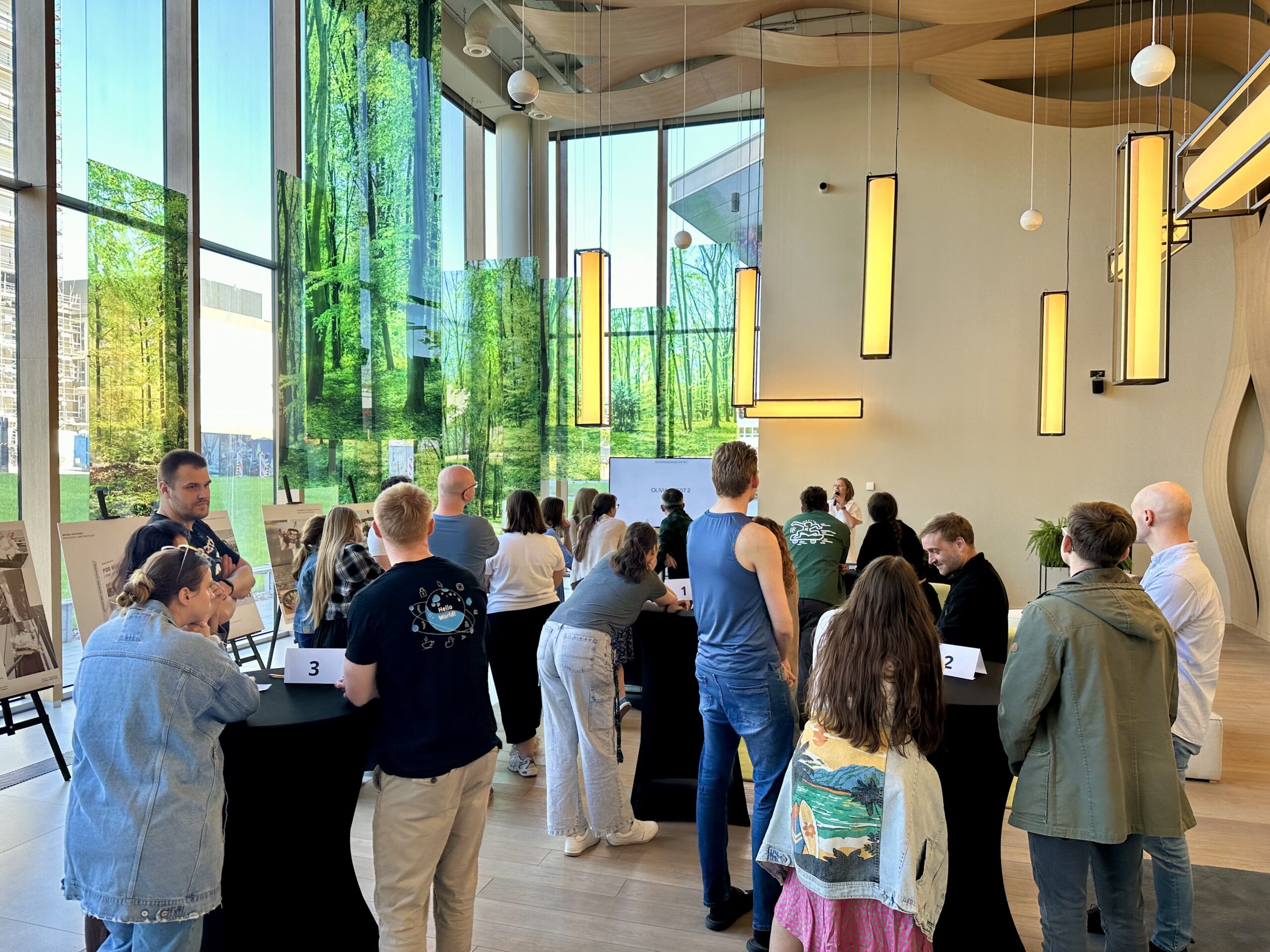
What an emotion it was! This year, the Game Master raised the bar high. You told us during the finale that Olivia Quest 2 surprised you, positively, of course, with its level of difficulty. Nothing is surprising! It can’t be easiest if the players are incredibly creative and there is 1000 zlotys up for grabs. In the finals, 37 players faced the Master, specifically the Game Master Marta. The best of the best turned out to be Mateusz from Skywise! Wow!


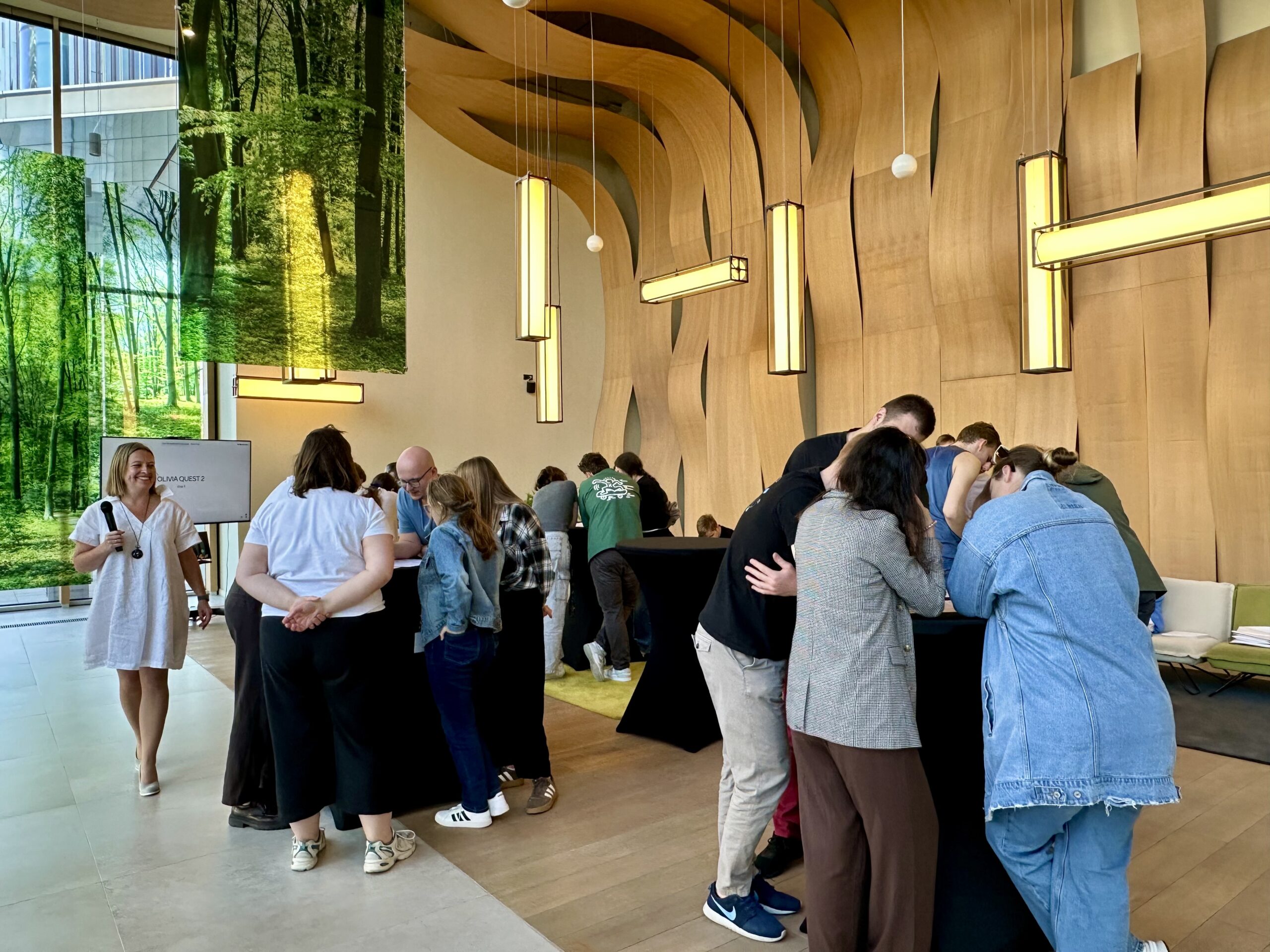
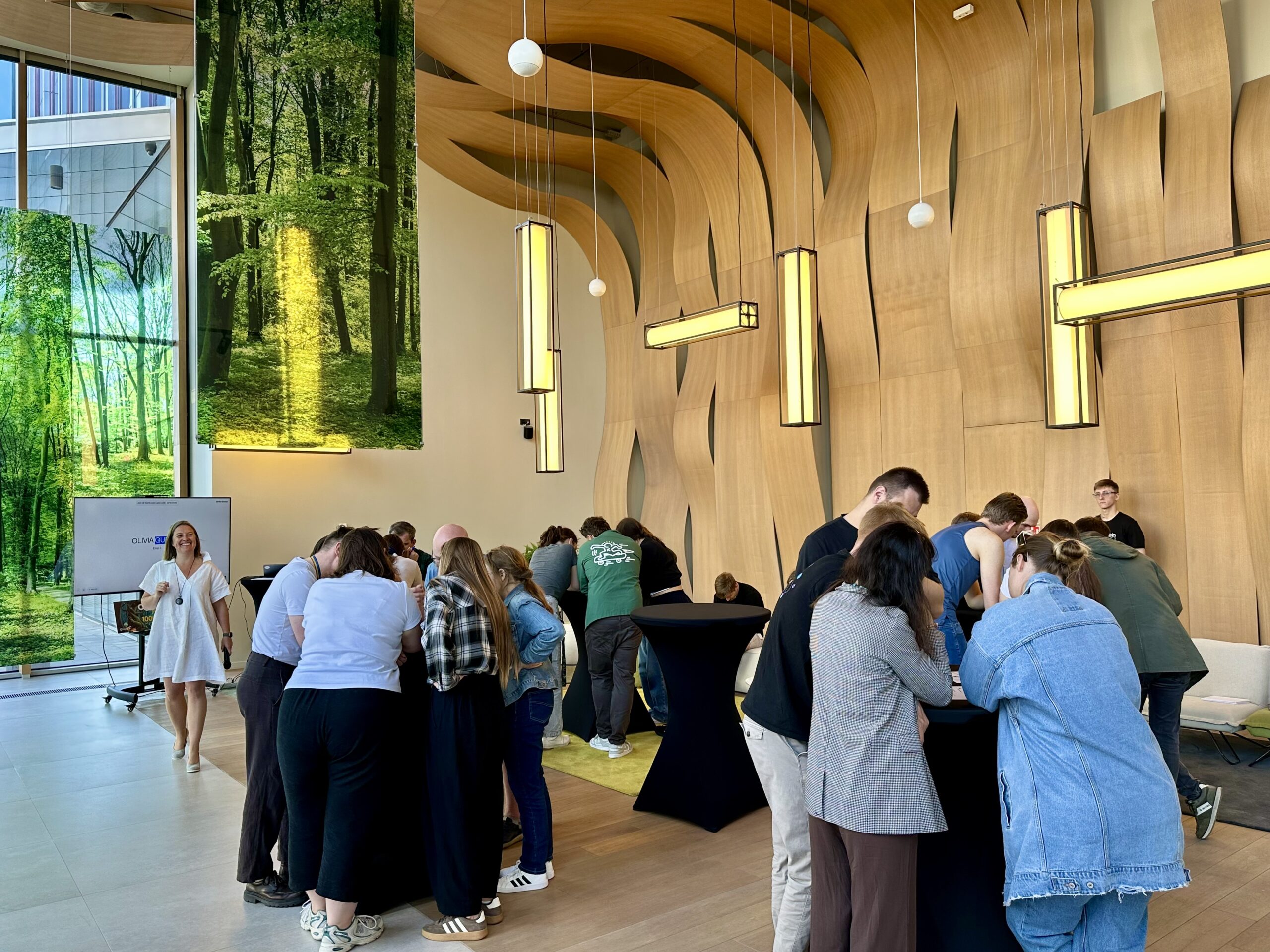
This time we played “only” 3 weeks. Intensely, with commitment and passion, she peeks into the Chest of Secrets every now and then, looking for on-screen hints and solving riddles and puzzles located in many of Olivia’s buildings.


Thank you so much for this fantastic time! 37 daredevils qualified for the finals, who correctly guessed the Main Password: Andrzej Wajda. A few clues (Words of the Day) led to it. We now present you with all the correct six.


  • 28.04 – Earth
  • 05.05 – iron
  • 07.05 – diamond
  • 12.05 – wizard
  • 14.05 – marble
  • 19.05 – Oscar for lifetime achievement


If you’re wondering where the idea for the Master Slogan came from, we have an excellent explanation. Well, the year 2026 was established by the Senate of the Republic of Poland as the Year of Andrzej Wajda in connection with the hundredth anniversary of his birth (March 6, 1926) and the tenth anniversary of the death of the outstanding director.


Mateusz outsmarted the Game Master


In the final game, and it wasn’t easy, the winner was Mateusz from Skywise, who turned out to be as fast as Flash, smart as Jack Sparrow and determined as Rocky Balboa! Big congratulations boy!


Finally, we present you with a few quest curiosities


  • Number of companies in the game: 29
  • The most quest company: Energa, followed by Nordea and Capgemini (wow!)
    We remind you that for the greatest employee engagement, Energa receives from a 20% discount to iLunch for all employees for 2 weeks and the Jupiter conference room in O4 for one-time use for the next year!
  • Trying to guess all passwords: 8738
  • Attempts to guess master password: 222
  • The hardest password of the day is the wizard: 2463 guessing attempts
  • The most persistent in guessing – Energa employees: 1735 attempts to guess the Words of the Day and the Main Password.
  • The fastest guess of the Main Password: Mariusz from Energi – on May 5 at 9:04 (respect!)


Thank you for the fun and may the power be with you! See you next year!


Boutique investments. A trend, for those looking for quality and class

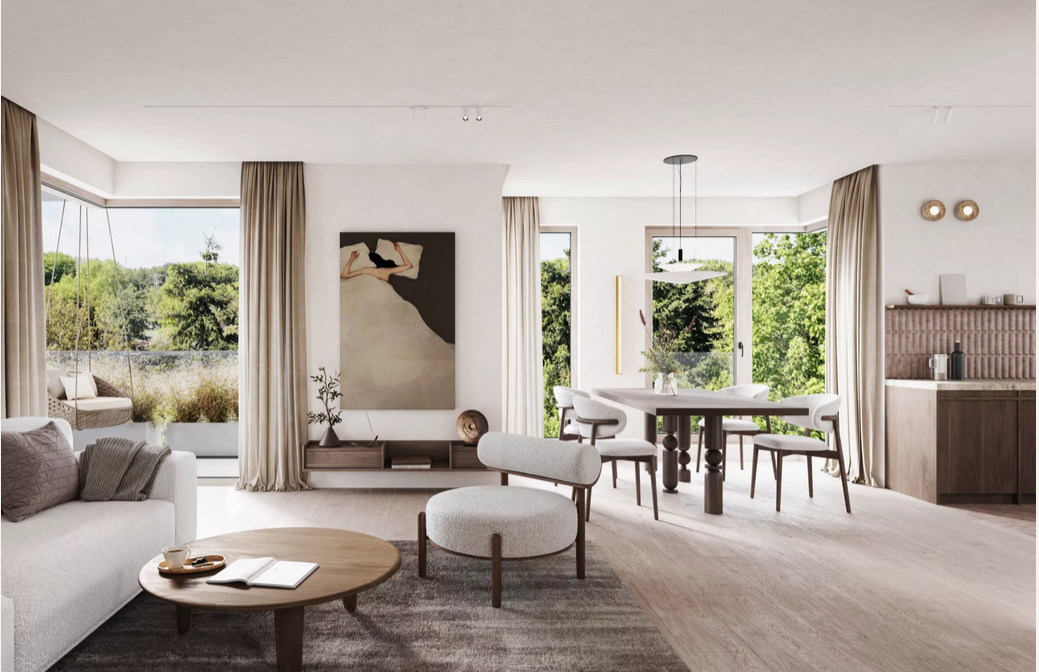
Boutique is in contrast to large-scale, mass housing estates. In the real estate market, this term refers to carefully thought-out, intimate projects, most often created off the beaten track, in secluded locations. Boutique investments respond to the need for a respite from the hustle and bustle of bustling cities, their momentum and dynamics. Boutique means small scale, individuality and quality.


Currently, a wide range of developers’ offers allows you to meet the most diverse market expectations. Interesting proposals will be found both by customers who value the fullness of life in bustling city centers, as well as by amateurs of peace and quiet in housing estates located in secluded locations. Investments in the premium segment are often projects located in selected locations, which are characterized by small scale, high-quality accessories and quality of common spaces.


As Karolina Bernisz-Grabska, a designer from the Design Anatomy architectural office , emphasizes, such investments belong to the group of highly selected and well-thought-out projects: The boutique, cozy atmosphere gives us a sense of intimacy and warmth of a real home. It is not only the buildings, but also their surroundings that make us feel safe, and a narrow circle of neighbors makes interpersonal relationships closer. The architects operate here with the individuality of selected details and noble, unusual materials. It is extraordinary and unique, and the solutions are modern and very functional. It is not without reason that boutique architecture is also called designer or lifestyle architecture, because it also offers a lifestyle. Karolina Grabska emphasizes, however, that boutique is not ostentation and glitter, but much more often class and tranquility: Interest in boutique projects is related to the need of customers to interact with unique, original designs, with a high sensitivity to quality, art and original solutions. Boutiqueness is associated with silence, small scale and excellent taste. If the budget allows, customers choose intimate housing estates with low-rise buildings: original spaces that give a sense of exclusivity in peace and quiet.


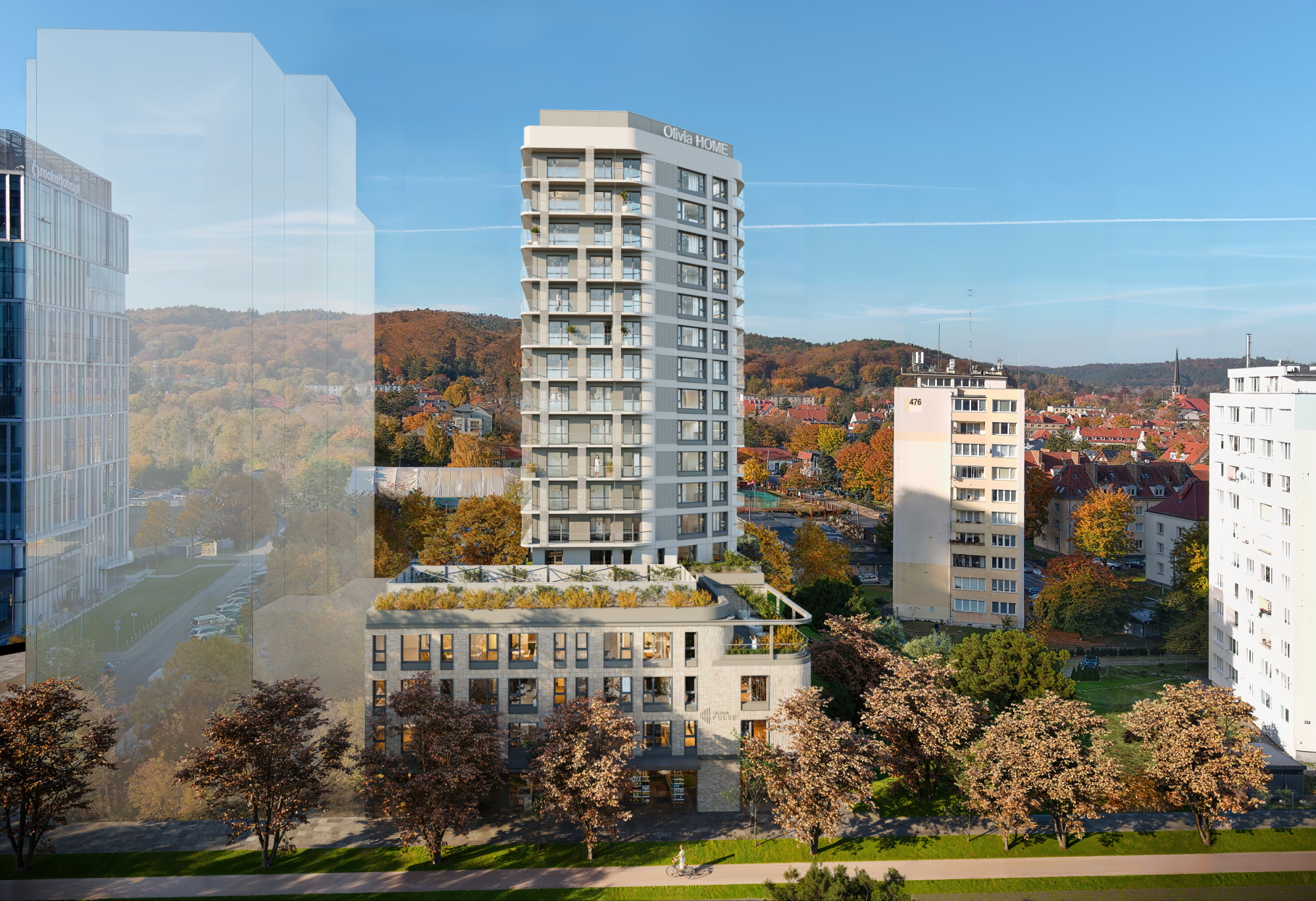
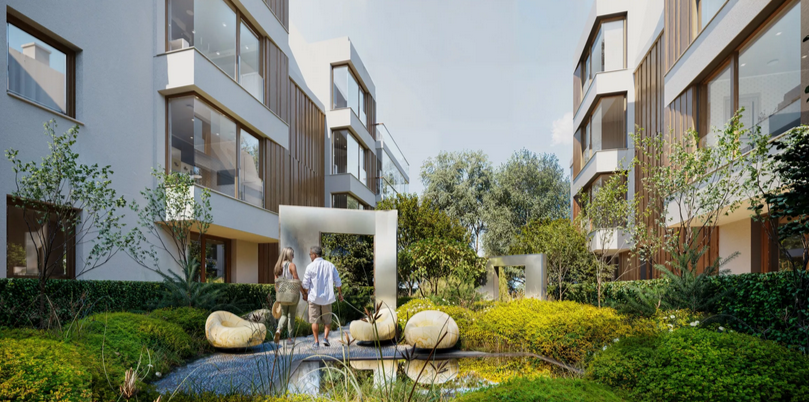
Forest Sopot | developer: Olivia Home | design: Design Anatomy


Quality is inherently associated with boutiqueness. Both boutique hotels and apartments, in order to position themselves in this segment, must offer the highest quality of accessories, finishing materials, and standard of service. As Bartłomiej Annusewicz, President of the Management Board of Lions Estate , emphasizes, boutique investments are created for clients for whom the features that distinguish these projects from mass projects aimed at a wide range of customers are important: The premium market is increasingly moving away from scale in favor of quality of experience. Today, customers of boutique investments buy not only an apartment, but above all peace, privacy and a sense of inaccessibility to the mass market. The greatest value is intimacy, several apartments, high quality materials, architecture inscribed in the surroundings and greenery, which is not a decoration, but part of the lifestyle. Projects such as Leśna Sopot by Olivia Home show that luxury in 2026 is defined by discretion, not ostentation.


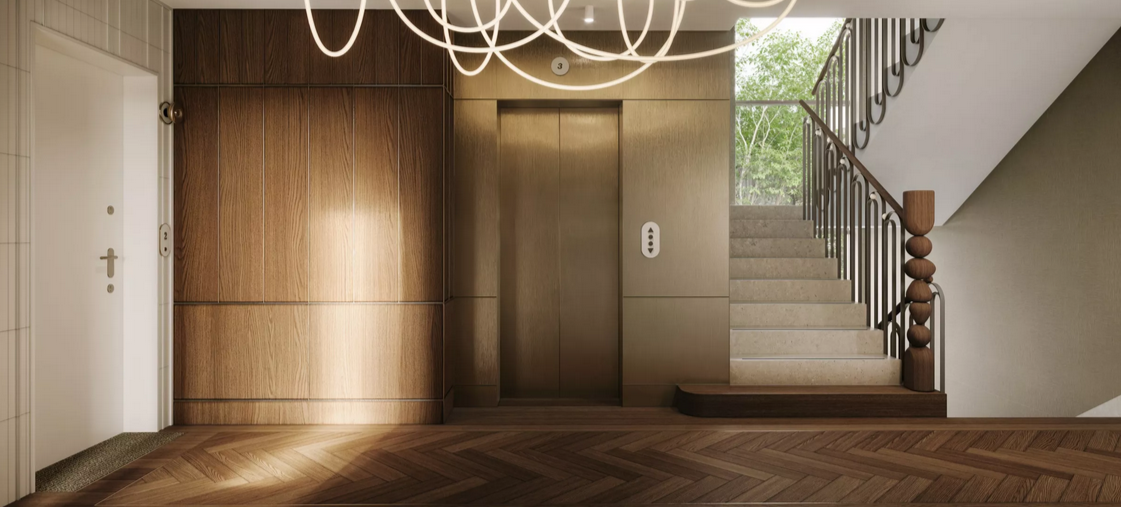
Forest Sopot | developer: Olivia Home | design: Design Anatomy


Exclusivity is also often associated with location. Sopot, with its intimate scale, proximity to the sea and a number of cultural events and class of the facility, has been mentioned by market experts for decades as an ideal location for investments intended for connoisseurs. Today, there is no doubt that the location brand has become an integral part of the value of premium real estate,” emphasizes Bartłomiej Annusewicz. “Sopot has been in the minds of customers for years as the most prestigious address by the Polish seaside, a place with history, character and a unique atmosphere. In the luxury segment, the prestige of the city works similarly to the brand in the world of luxury goods: it builds a sense of uniqueness and affects the long-term attractiveness of the investment. An apartment in Sopot is increasingly competing not with other Polish resorts, but with premium properties in European resort locations. Sopot is associated not only with luxury, but also with a wide range of opportunities related to culture and recreation. For years, the city has been building its image based on the opportunities associated with extensive beaches and Sopot forests, which are part of the Tri-City Landscape Park, but also culture: theaters, popular and classical music festivals, and jazz. However, the intimate scale of the city is also of great importance for investors from the real estate market: Boutique investments in Sopot have one advantage that cannot be copied: limited supply in an absolutely unique location – emphasizes Bartłomiej Annusewicz. It is a market based more on scarcity than on the classic relationship between demand and supply. In the long run, such properties retain their value extremely stable, because there are simply no more prestigious plots of land in Sopot. Today, it is clear that premium apartments in this city are beginning to be treated not only as a second home, but also as a form of capital storage with a high emotional component.


The intimate scale of Sopot becomes a guideline for new projects, which, in order to harmonize with the context of the place, must even fit into the quality and scale of the city. Thanks to this, Sopot is such a desirable location for demanding customers. Ewa Nowicka, Sales Director, Member of the Management Board of Olivia Home , emphasizes that for developers it is in a sense a commitment that refers to the quality of life in this city: Boutique is intimacy, seclusion, thoughtful and unique solutions, as well as a project implemented with respect for the context of the place. The architecture of the boutique investment fits into its micro-surroundings and provides high aesthetic impressions. We set ourselves these goals while working on the concept of the Leśna Sopot investment. The small scale of the project, the possibility of direct contact with nature, the microclimate, excellent communication of the investment are combined with high-class architecture, taking into account high-quality material solutions, refined details of common areas and a picturesque green area, as a result of which we obtain a coherent combination of subtle elegance and comfort.


Forest Sopot | developer: Olivia Home


The above defines Leśna Sopot , fulfilling the design assumptions of the premium segment, as a model boutique project – emphasizes Ewa Nowicka. – Buildings immersed in greenery are being built in Upper Sopot in a secluded location, offering residents the cozy atmosphere of a residential district, respite from the hustle and bustle and intimacy. At the same time, easy and quick access to the main artery of the resort provides simple and fast communication with the city center, Gdynia and Gdańsk. The investment includes only 18 functionally designed apartments with well-thought-out bay windows opening a view of the adjacent greenery and, in the long term, the Tri-City Landscape Park – a real mecca for all those who want to take full advantage of the lush nature of the Sopot hills. The above qualities allow the investment to be given the status of a unique project. The city itself, as a resort, provides countless attractions in the form of cultural events, and also has a developed sports and tourist infrastructure. Additional opportunities are provided by the proximity of the beach and the Bay of Gdansk. Sopot is a city where sailing, kitesurfing and windsurfing reign in the summer, and in the off-season, ice skating, Nordic walking and walks along the seashore are unflaggingly popular.
 

As Bartłomiej Annusewicz emphasizes, the customer profile of boutique investments has changed a lot in recent years: These are no longer only entrepreneurs looking for a holiday apartment, but also people who consciously build the quality of everyday life: business owners, managers, investors and, increasingly, international clients. They have one thing in common: they are not looking for a random property, but a place that reflects their lifestyle and status. In the premium segment, the purchase decision is more emotional than calculative, which is why boutique projects win with authenticity and atmosphere.


Forest Sopot | developer: Olivia Home | design: Design Anatomy


The premium segment can take the form of loud, even ostentatious projects, in which the purchase of real estate becomes, as it were, a confirmation of the social status of the owner. What distinguishes boutique investments is a feature referred to in English as quiet luxury – a value appreciated by customers who care about the quality of life, privacy and the certainty that they are choosing a place that is inaccessible to everyone.

Talks at the Olivia Summit. Geopolitics and economy between the US, Europe and China

An extremely important meeting is behind us. On 8 May, the “Summit Talks” were held in Olivia once again, the main topic of which was geopolitics and the economy between the US, Europe and China.


In a world of rapid geopolitical shifts, it is becoming increasingly clear that relations between the US, Europe and China today define not only trade or international politics. Access to technology, security of supply chains, the pace of innovation, the stability of economies and the competitiveness of companies and countries depend on their shape. Global competition is moving to the level of strategic raw materials, artificial intelligence, energy, cybersecurity, and control over key technologies of the future.


It is no longer a question of whether the world is entering a new phase of geopolitical reconstruction, but of how quickly companies, institutions and countries will be able to adapt to the new architecture of global dependencies.


The event organized by the Employers of Pomerania brought together people who have been co-creating the Polish debate on the world, security and the place of Europe in the dynamically changing balance of power for years.


The debate was moderated by journalist Agnieszka Lichnerowicz, and among the participants were:

  • Małgorzata Bonikowska, PhD – an expert on geopolitics and US-EU-China relations, president of the Centre for International Relations and co-founder of THINKTANK, who has been analysing the impact of global changes on the security and competitiveness of the West for years,
  • Prof. Bogdan Góralczyk – political scientist, sinologist, diplomat and one of the most respected Polish experts on China and East Asia,
  • Janusz Reiter – diplomat, former ambassador of the Republic of Poland to Germany and the USA, founder of the Centre for International Relations, for decades actively participating in shaping Polish strategic reflection and transatlantic relations,
  • Lieutenant Colonel dr hab. n. Med. Jacek Siewiera – former head of the National Security Bureau, responsible in 2022–2025 for strategic state advice in the field of security and international policy,
  • Maciej Witucki – Vice-President of BusinessEurope and Chairman of the Main Council of the Lewiatan Confederation, representing the perspective of European business in the face of economic and regulatory challenges.


Photog. Dawid Linkowski


The conversation concerned, among m.in, the changing world order, Europe’s role in the rivalry between great powers, economic security and the impact of global tensions on business and society.


We are glad that once again such key issues were discussed here. It is worth recalling that a year ago, experts in the field of politics and defense discussed Polish security and global threats in Olivia. The guest of honour of the meeting was the renowned statesman and historian Bronisław Komorowski, President of the Republic of Poland in the years 2010–2015.


More…


Olivia Centre joins forces with the University of Gdańsk for academic sport

Under the signed agreement, the University of Gdańsk awarded Olivia Centre the title of “Patron of Academic Sport of the University of Gdańsk”. The agreement assumes cooperation between both parties in the field of sports, including support for league teams, academic sports and sports events of a local and national nature.


The ceremonial signing of the agreement between the University of Gdańsk and Olivia Centre was attended by Olivia’s President Maciej Grabski and Member of the Management Board Grzegorz Kidybiński. The University was represented by: H.E. Rector of the University of Gdańsk prof. Ph.D. Piotr Stepnowski, Director of CWFiS Tomasz Aftański and President of AZS UG Piotr Walczak.


“The agreement is in line with the strategy of the University of Gdańsk aimed at building strong, responsible partnerships with the socio-economic environment. We treat academic sport as an important element of the development of the university’s social capital – he said Rector of the University of Gdańsk, Prof. Piotr Stepnowski. The award of the title of Patron of Academic Sport of the University of Gdańsk is an expression of recognition for our cooperation with the Olivia Centre based on common values and social responsibility. I am convinced that this partnership will allow us to strengthen academic sport.”


“Academic sport teaches values that are particularly close to us at Olivia Centre: responsibility, consistency, cooperation and the pursuit of long-term goals. It is on such foundations that responsible business is also based. We believe that supporting young people, their activity, ambitions and healthy attitudes is an investment that brings value to the entire community” – said Maciej Grabski, President of Olivia Centre.


The cooperation between the Olivia Centre and the University of Gdańsk results not only from the close proximity of both institutions, but also from the convergence of values and a common vision of supporting initiatives important for the local community. The partnership is long-term and goes beyond the classic sponsorship model, focusing on building lasting relationships and real social impact.


“We are delighted to have such a strong brand as Olivia Centre on board. We are close neighbours and such cooperation will certainly be beneficial for both parties. In the past, Olivia has already supported the sports activities of AZS University of Gdańsk, but this agreement is more than just a sponsorship agreement. This is a new chapter” – sums up the President of AZS UG Piotr Walczak.


The importance of the agreement for the University results from the importance of sport in shaping civic and academic attitudes. In turn, representatives of Olivia Centre point out that sports values coincide with the values of responsible business. It is this dimension of cooperation that gives it strategic importance both for the university and for the Olivia Centre as a partner actively involved in the life of the region.


“Acquiring such a strong partner as Olivia Centre is a significant strengthening for academic sport at the University of Gdańsk. The close proximity and convergence of values make this cooperation have the potential for a long-term, mutual impact. Olivia Centre has already supported the sports activities of AZS University of Gdańsk, but the agreement signed today goes beyond the classic sponsorship model – it is the opening of a new stage of cooperation based on partnership and a common vision of development” – sums up the President of AZS UG Piotr Walczak.
 

Olivia Centre’s appointment as the Patron of Academic Sport at the University of Gdańsk is part of a consistently implemented strategy of supporting socially and locally important initiatives. The partnership with the University of Gdańsk strengthens the relationship between business and academia, creating a space for joint actions for health, integration and development of sport.
 

“We are very pleased that our idea for a responsible partnership has been approved by the rector’s authorities and representatives of the Olivia Centre. Together, we want to create a space for building positive pro-social and pro-health attitudes among the academic community, which will remain as habits for years. We hope for fruitful cooperation and believe that this is the first step towards building a solid group of patrons of academic sport at the University of Gdańsk” – added the Director of CWFiS, Tomasz Aftański.


“For years, the cooperation between the Olivia Centre and the University of Gdańsk has been based on mutual trust, closeness and the belief that together we can implement socially important initiatives. It is a natural step for us to support academic sport. As a neighbour and partner of the University, we want to co-create projects that have a real impact on the quality of life of the academic community and the region” – summed up Grzegorz Kidybiński, Member of the Management Board of Olivia Centre.


About the University of Gdańsk:
The University of Gdańsk is one of the most important universities in Poland and the largest higher education institution in Pomerania. For years, it has combined high quality education and scientific research with active social engagement and cooperation with the economic environment. The university consistently supports the development of academic sport, treating it as an important element of building community, promoting a healthy lifestyle and shaping pro-social attitudes among students and employees.


About Olivia Centre:
Olivia Centre is a modern business centre in Gdańsk, which has been involved in projects supporting the social, educational and cultural development of the region for years. Cooperation with the University of Gdańsk is another example of activities carried out with the aim of building a strong, active and responsible local community.


Summit talks. Geopolitics and Economy of the US-Europe-China

Employers of Pomerania and Olivia Centre invite you to another unique debate as part of the “Summit Talks” series. This time, the main topic will be geopolitics and the economy between the US, Europe and China. The event will take place on May 8, 2026 at 6:00 p.m. on the 34th floor of Olivia Star. Registration is required.

A year ago, Olivia talked about global security. Global Threats and Local Responses”. Olivia hosted leading experts in the field of politics, defense and international security. The Guest of Honour of the meeting was the renowned statesman and historian Bronisław Komorowski, President of the Republic of Poland in the years 2010-2015. More…


Running:


Agnieszka Lichnerowicz

Journalist and international analyst at TOK FM, specialist in geopolitics and global economic trends. For years, he has been commenting on US-EU-China relations, combining a political and economic perspective. She is valued for her clear analyses and ability to explain complex global processes.


Participants of the debate:


Małgorzata Bonikowska, PhD, President of the Management Board of the Centre for International Relations

Political scientist, geopolitical expert and president of the Center for International Relations. He specializes in strategic relations between the US and the EU and China and global economic trends affecting the security and competitiveness of the West. Co-founder of THINKTANK, she advises public administration and business, regularly commenting on international politics in the media. She is the author of numerous analyses on the transformation of the world order and the role of Europe in the rivalry of superpowers.


Prof. Ph.D. Bogdan Góralczyk, University of Warsaw

Political scientist, sinologist and diplomat, former ambassador of the Republic of Poland to Thailand (also accredited in Laos and Burma/Myanmar), previously a diplomat at the mission in Budapest. Professor of social sciences, academic lecturer, specialist in China and East Asia, author of numerous publications in the field of international relations. A commentator on international life, often appearing in the media and analysing global political and economic trends.


Janusz Reiter, former Ambassador of the Republic of Poland to the USA and Germany

Diplomat, former Polish ambassador to Germany and the United States, founder of the Center for International Relations. One of the most respected Polish experts in the field of geopolitics and strategic transatlantic relations. He specializes in the politics of the US, Europe and Germany and in the impact of global tensions on the security and economy of the West. Author of numerous analyses and international commentator, actively participating in the debate on the future of the world order.


Lieutenant Colonel dr hab. n. Med. Jacek Siewiera, head of the National Security Council in 2022–2025

As head of the National Security Bureau and was responsible for strategic advice in the field of international and security policy. He co-authored analyses on power dynamics in Europe and transatlantic relations. He specializes in assessing geopolitical risks and state resilience. In the debate, he combines the perspective of security with the realities of the global economy.


Maciej Witucki, Vice-President of BusinessEurope, Chairman of the Main Council of the Lewiatan Confederation

Manager and economic activist, vice-president of BusinessEurope and candidate for president of this organization, representing the interests of entrepreneurs at the level of the European Union. Chairman of the Main Council of the Lewiatan Confederation, previously long-term president of Orange Polska. An expert in the field of economy, labour market and social dialogue, with extensive knowledge of the global economy and actively participating in debates on the competitiveness of the European economy.


Sign up for the event


Sign up for the event


Conversations about! on May 14. Spirituality and well-being.

We invite you to the Talks About! “Spirituality and Well-Being – Yoga or Christian Meditation?” The guests of the meeting will be Prof. Aleksander Bańka – evangelizer, Christian meditation practitioner and Dr. Nina Budziszewska – yogi, yoga researcher.


  • What is the best way to be “here and now” and live life to the fullest?
  • Do yoga and Christian meditation have anything in common?
  • Has “well-being” replaced “salvation”?
  • What exactly is “spirituality”?


Sign up for the event “Conversations About!”


After the meeting, we invite you to the workshops:


  • “Népsis – Prayer of Vigilance of the Heart”. Sign up!
  • “Pranayama – the art of yogic breathing”. Sign up!


Dr. Nina Budziszewska – an expert in the field of breathwork, yoga philosophy and Indian culture, combining scientific activity with many years of practice. Trainer of yogic breath (pranayama), Indologist, Sanskrologist, philosopher and Romance scholar. She is associated with the University of Wrocław, where she is an assistant professor at the Department of Indian Philology and the head of the Yoga Research Laboratory. She also directs the Postgraduate Studies in Indian Yoga (formerly: Classical Yoga), developing educational programs that combine tradition with a modern approach to practice. Author of numerous scientific and popularization publications, as well as a trainer at REPS Polska. Member of the Polish Oriental Society, the Polish Philosophical Society and the Association of Relaxation Trainers and Practitioners “Space”. In her work, she integrates academic knowledge with practical experience, supporting the development of conscious breathwork and an in-depth understanding of the yoga tradition.


Nina Budziszewska, PhD

https://atelierjogi.org/

http://indologia.uni.wroc.pl/o-zakladzie/pracownicy/nina-budziszewska/

https://www.instagram.com/dr_nina_budziszewska/


a

Ph.D. Aleksander Bańka, Professor of the University of Silesia – philosopher and political scientist, professor at the University of Silesia in Katowice, associated with the Institute of Philosophy of the Faculty of Humanities. He specializes in Christian philosophy and modern and contemporary French philosophy, with particular emphasis on the issues of anthropology, ontology and epistemology. Author of books, articles and audiobooks devoted to philosophy and Christian spirituality, actively involved in popularization and media activities (m.in. Radio eM, “Gość Niedzielny”, YouTube channel). Lay leader of the Center for Spirituality of the Light-Life Movement of the Archdiocese of Katowice, member of the Pastoral Council of the Archdiocese of Katowice and the Council for the Apostolate of the Laity of the Polish Episcopal Conference. He served as the chairman of the Commission for the Laity of the Second Synod of the Archdiocese of Katowice, and was also appointed a delegate of the Church in Poland for the opening of the synodal process in Rome. In his activity, he combines philosophical reflection with the practice of spiritual life and social involvement.


Prof. Aleksander Bańka

http://duchogrod.pl/

https://us.edu.pl/instytut/ifil/osoby/aleksander-banka/

https://www.instagram.com/bankaaleksander/


Sign up for the event “Conversations About!”


The Faculty of Civil and Environmental Engineering of the Gdańsk University of Technology starts cooperation with Olivia Centre

The cooperation between the Faculty of Civil and Environmental Engineering of the Gdańsk University of Technology and Olivia Centre – the largest business centre in Poland – strengthens the practical dimension of education and supports the development of modern competences in the real estate market. This is an important step for Gdańsk and the entire region, which gain new space to build highly qualified staff for one of the key branches of the economy.


The Faculty of Civil and Environmental Engineering of the Gdańsk University of Technology has signed a cooperation agreement with Olivia Centre, one of the leaders of the commercial real estate market in Poland. The partnership is part of the consistently developed cooperation of the Faculty with the economic environment, especially in the area of the modern real estate market, investments and space management.


One of the most important effects of this cooperation was the support of Olivia Centre in the creation of the “Real Estate 5.0” study program – the only field of study of this type in Poland, responding to the changing needs of the market and the growing importance of competences combining technical, investment, analytical and management knowledge. Importantly, the first recruitment was already very popular, which confirms that the launch of the course was an accurate response to the needs of candidates. It is also an important and necessary addition to the scientific and training offer of the Gdańsk University of Technology. The partnership concerns not only the Faculty of Civil and Environmental Engineering, but also other faculties, mi.in Geodesy and Cartography and Civil Engineering.


The signed agreement gives students a chance to learn even more related to the realities of the commercial real estate market – says Emilia Miszewska , PhD, Eng., from the Department of Geology at the Faculty of Civil and Environmental Engineering. Thanks to cooperation with Olivia Centre, an important industry partner, students can better prepare for their future professional work, develop practical competencies and gain knowledge based on real market experience. Students can expect better adaptation of education to the current needs of the labor market and closer contact with the modern business environment created by Olivia Centre. They can also count on greater opportunities for professional development, building industry contacts and an easier start on the labor market. Our cooperation will enable students to participate in classes co-created by industry experts and to undertake internships and internships. It also gives access to joint projects, events and initiatives related to the modern real estate market, investments and business space management.


On the part of the Faculty, the agreement was signed by the Dean of the Faculty of Civil and Environmental Engineering, prof. Ph.D. Eng. Ewa Wojciechowska. On behalf of Olivia Centre, the document was signed by Bogusław Wieczorek, legal counsel and public relations representative of the management board of Olivia Centre.


Cooperation also has a broader social and economic dimension. For Gdańsk, it means strengthening the city’s position as one of the most important academic and business centers in Poland, which can effectively combine science with business practice. For Pomerania, it is an investment in the development of local staff and competencies needed on the regional real estate, construction and investment market. For the academic community, it is access to up-to-date industry knowledge, practical experience and new opportunities for students’ professional development. For the business community – a chance to get in closer contact with young talents, co-create modern educational programs and have a real impact on the preparation of future specialists.


As Bogusław Wieczorek, legal counsel and representative of the management board for public relations at Olivia Centre, emphasizes: For Olivia, cooperation with the Faculty of Civil and Environmental Engineering is, on the one hand, an element of our policy of social responsibility and commitment to the development of the competences of Pomeranian staff, and on the other hand, an extremely interesting opportunity to expand cooperation with one of the most prestigious technical universities in Poland. We are open to various forms of cooperation, as part of internships and workshops, as well as education of students of the Faculty.


In connection with the signing of the agreement, we are starting a partnership that is to really connect the academic world with the practice of the real estate market ,” says Konrad Danecki, Director of Investor Supervision at Olivia Centre. As a person responsible for quality improvement activities and implementation of modern systems in Olivia, I see it as an opportunity to develop the competencies of future specialists based on real projects, operational data and experience in property management and modernization. I am particularly pleased with the opportunity to support the new “Real Estate 5.0” study program, which responds to the dynamic changes in the industry – digitization, decarbonization, ESG requirements and the growing expectations of building users. We want students to learn from concrete cases: from the concept phase and investment process, through environmental certifications, to operation, capex and financing – i.e. throughout the life cycle of real estate. I hope that together we will create a platform for pilots and implementations that will be of value both to the university and to business and the entire region.


Olivia Prize 2025 ceremony. Lecture by prof. Ph.D. Paweł Horodecki

We invite you to the award ceremony in the Olivia Prize competition for 2025! For the sixth time, we will meet to appreciate the most interesting business, social and economic undertakings of the Residents of the Olivia Centre, as well as to award special prizes to the business environment institutions and young scientists associated with Tri-City universities. Registration required.


A special guest will be Prof. Ph.D. Paweł Horodecki – an outstanding theoretical physicist, one of the founders of the Gdańsk School of Quantum InformaticsJ. He is the leader of the research group at the International Centre for the Theory of Quantum Technologies (ICTQT) at the University of Gdańsk and works at the Department of Theoretical Physics and Quantum Informatics at the Gdańsk University of Technology.


He is a co-author of over 150 scientific papers published in the most prestigious journals (m.in. Physical Review Letters, Nature), which have been cited over 24,000 times (Hirsch index: 71). His most important achievements include the co-discovery of the phenomenon of quantum bound entanglement and the development of the Horodecki criterion, which is a fundamental tool for verifying the entanglement of quantum states.


He regularly ranks in the TOP 2% of the world’s most influential scientists compiled by Stanford University. He is the winner of numerous awards, including the Foundation for Polish Science Award (the so-called Polish Nobel Prize) for his contribution to the development of quantum information theory.


Fig. Piotr Niklas | Gdańsk University of Technology


The award ceremony will take place on March 30, 2026.
at 5:00 p.m. on the 34th floor of Olivia Star.


Sign up for the event


Agenda of the meeting

  • 17:00 Kick-off
  • 17:00-17:15 Welcoming guests
  • 17:15-18:15 Lecture by prof. Ph.D. Paweł Horodecki
  • 18:20-19:00 Olivia Prize Ceremony
  • 19:00-20:00 Closing / cocktail


Welcome!


Sign up for the event


Key trends of the labour market 2026 presented for the first time at the Olivia Centre

The labor market has changed and we already have a new reality in place? Nothing could be further from the truth. The changes that are yet to come are as significant as those that have appeared as a result of the pandemic. At the Olivia Centre in Gdańsk, Manpower Polska presented its latest report on the labour market, which shows that in the coming years, the key to success will be fast learning and flexible adaptation to change. The year 2026 will bring high expectations of employees, greater selectivity on the part of employers and the growing importance of qualifications.


At O4 Coworking (Olivia Centre), Manpower Polska presented the premiere conclusions from the “Trends and Remuneration Report 2026” and discussed 16 key trends shaping the labour market. The culmination of the meeting was a panel of experts with the participation of Labour Market Experts, which turned into a real discussion – with polemics and references to the report.


Among the 16 key work trends listed in the report were: redefinition of the roles of leaders and employees, as well as work itself, the increase in the importance of AI-assisted work and the use of automation. In the new model of work, there will be an increase in the importance of project work and a demand for employees who are quickly learning new skills. Among the key competencies will be readiness for quick training, the ability to use artificial intelligence and the possession of pre-industrial skills (problem-solving skills, cognitive flexibility, creativity, empathy, self-reflection and a high level of use of interpersonal communication tools).


These trends will be implemented in an environment of changing social norms. The coming years will bring a return to office work, but only until the generation currently accustomed to hybrid work begins to perform high management positions. A decline in confidence related to the decline in the prestige of leaders, geopolitical instability and the unpredictability of climate change will also be of great importance for the labour market, which will translate into job insecurity, increased unrest and political polarisation. The use of automation and artificial intelligence will result in pressure on energy demand, and this will increase the importance of personnel specializing in green energy sources and scaling systems that allow it to be developed.


The authors of the report also point to significant challenges related to changes in business models: the maturity of enterprises will increase the pressure on succession processes in companies. This will be done with the awareness of the talent shortage, demographic decline, decline in professional activity and, as a result, economic uncertainty. Changes in the labour market will also be influenced by the decline in the role of higher education and the lack of ambition and motivation to act as leaders. These factors will result in a decrease in the number of personnel aspiring to take up managerial positions and perform leadership roles, and will affect the possibility of intergenerational transfer of knowledge and skills.


The presentation of the report was summarized in a debate of labour market experts. As he points out, Magdalena Białek, Strategic Account Leader at Manpower the key factors that the HR environment in Poland currently lives by were at the center of the conversations: The participants of the debate devoted a lot of space to the role of IT juniors, the shortage of experienced specialists and the impact of labour market regulations, including internships and forms of employment, on the availability of talent. Attention was drawn to a paradox: with rare participation in formal training, Poles learn intensively on its own, which supports economic growth. Experts also emphasized that in the age of artificial intelligence, HR with the ability to verify competencies is more important than ever. The participants unanimously assessed the meeting as substantive and inspiring, and the number of references to “AI” symbolically showed the scale of technological transformation.


As Maciej Kotarski, director of Olivia Centre, and one of the participants in the debate, emphasizes, one of the most noticeable trends in office work is currently the growing pressure to implement artificial intelligence solutions: These processes move from the experimentation phase to become part of business operations. There are growing expectations that AI-based solutions will become a source of key competitive advantages. Software companies report that their customers have high expectations for AI implementations even when there is no real need for it in a given company. Investments in people with skills to build and operate artificial intelligence are increasing, although the accuracy of many of the models currently available is low for the time being, and the number of errors requires constant human control. At the same time, exchanges are handsomely rewarding companies that are able to effectively and visibly implement AI, e.g. by reducing teams and cutting costs. This is even hitting tech companies and the software services sector, where new tools are making work redundant that recently required months of work by entire teams. Where the reductions are not spectacular, the number of job offers for juniors is decreasing. This process is increasingly reminiscent of technological revolutions, driving huge capital expenditures on infrastructure, data centers, and computing power – emphasizes Maciej Kotarski.


The Trends and Remuneration Report 2026 is available for download on the Manpower Polska website