

Organizations that have focused on creating shared value systems within their management cadre operate more effectively and achieve their goals more efficiently.
As Monika Jasińska emphasizes in her article “Quality of Teamwork in Difficult Situations,” published in the journal “Nowoczesne Systemy,” the cooperation of the management cadre is crucial for success and the so-called organizational resilience (i.e., the ability to operate effectively during various types of crises, including, for example, market turbulence). This refers to action based on clear and shared principles, psychological safety, and effective communication. To achieve a state of entrepreneurial creativity and efficiency, it is essential to operate according to uniform standards. According to the author of the study, this principle is significant for teams facing time pressure, uncertainty, and crises.
Research therefore shows that one of the key factors in organizational resilience and growth is developing a shared vision, values, and communication principles and ensuring that all managers operate according to the same standards—while maintaining individual style and a degree of operational flexibility. This is an important signal for companies that have relied on full autonomy for managers building their own teams: proper autonomy means respecting the individuality of each leader while simultaneously implementing unified and coherent principles across the entire enterprise.
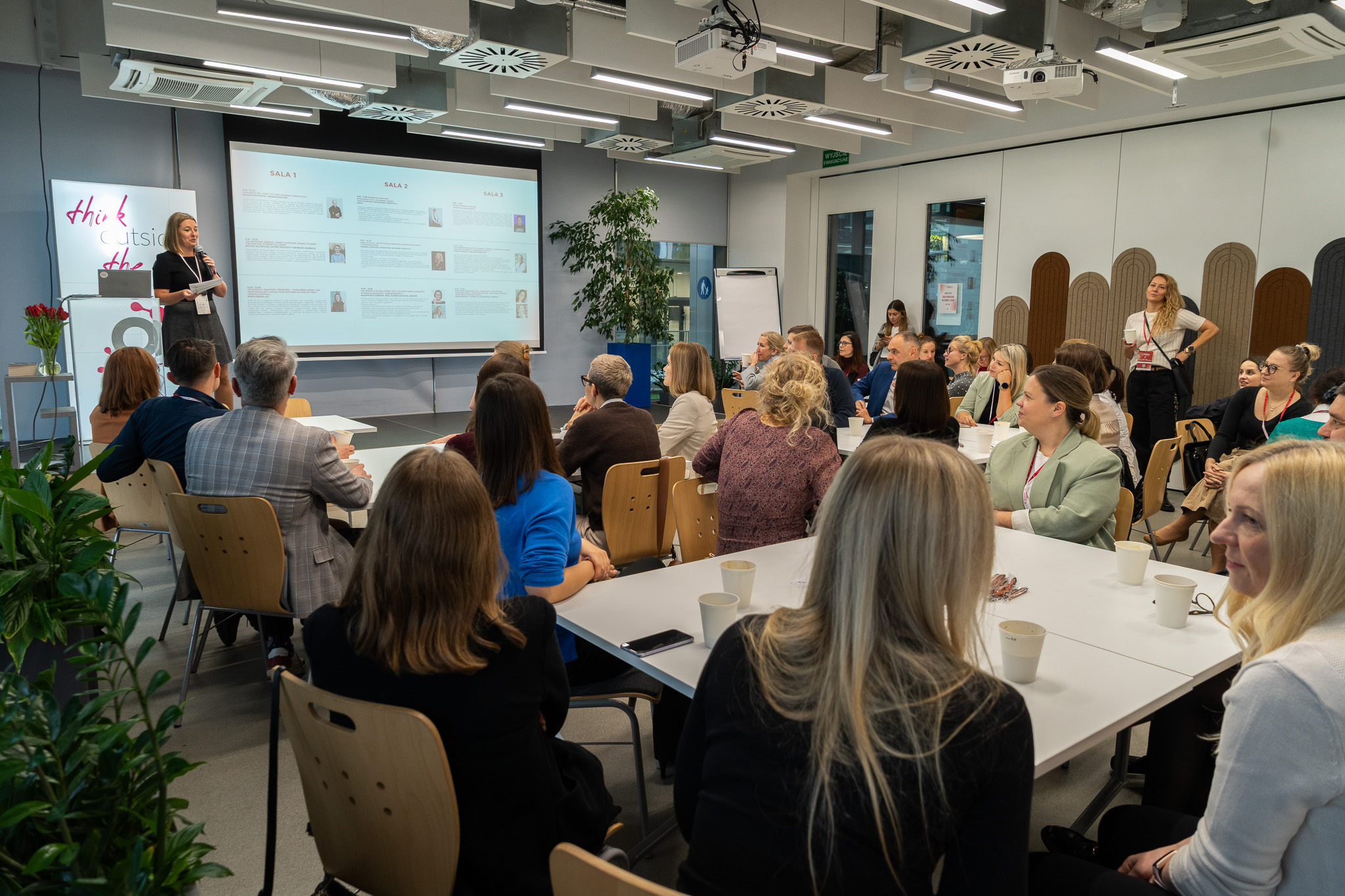
The research findings are also confirmed by managerial practice and experiences often drawn from the spectacular rises and falls of companies. Numerous analyses have been produced on the difficult but essential cooperation of the management cadre—says Marta Moksa, Director of O4 Coworking at Olivia Centre. Essentially, every success story (e.g., Netflix) and failure (Lehman Brothers) can be reduced to building so-called “tough love in the boardroom,” which can be translated as “tough, masculine camaraderie in the boardroom.” In the book “The CEO’s Boss” by William Klepper, published by Columbia University, several analyses of director cooperation are presented—examples to emulate and cautionary tales. Companies flourish and emerge from crises when their management cadre has a functioning social contract, proper alignment, and constitutes a cohesive, effective team.
The dynamics of market changes force organizations to adapt to reality just as quickly, and the fact that certain mechanisms, standards of conduct, or team management methods worked just a few years ago does not mean they will work indefinitely. Therefore, one of the most constant truths about team management is change. At Bayer, with the implementation of a new operating model, the role of the leader has also changed, placing greater emphasis on empowerment, shared responsibility, and effective action under conditions of uncertainty and change—says Anna Switaj-Zawadka, Capability Community Lead Projects at Bayer. That is why developing leadership competencies, exchanging experiences, and building a common leadership language are so important. Cooperation, trust, and the ability to engage teams are today key factors in organizational success, and sharing best practices helps leaders effectively meet these challenges.
Experience shows that key to the success of enterprises is a well-cooperating team of managers who share the same set of goals and values. – According to Tuckman’s model, a team must change in accordance with successive stages of business development. And the truth is that every business has the shape of the letter S—first slow development, then dynamic growth, safe stagnation, and crisis, from which one enters the next slow development phase. There is no business in the world whose stages look different. And that is precisely why the effective functioning of the leadership cadre as a team is of such enormous importance. Examples of companies such as Procter & Gamble, Johnson & Johnson, BP, and Hewlett-Packard show that proper distribution of roles in the board, but above all shared organizational culture, common goals, and common methods enable survival of any crisis.
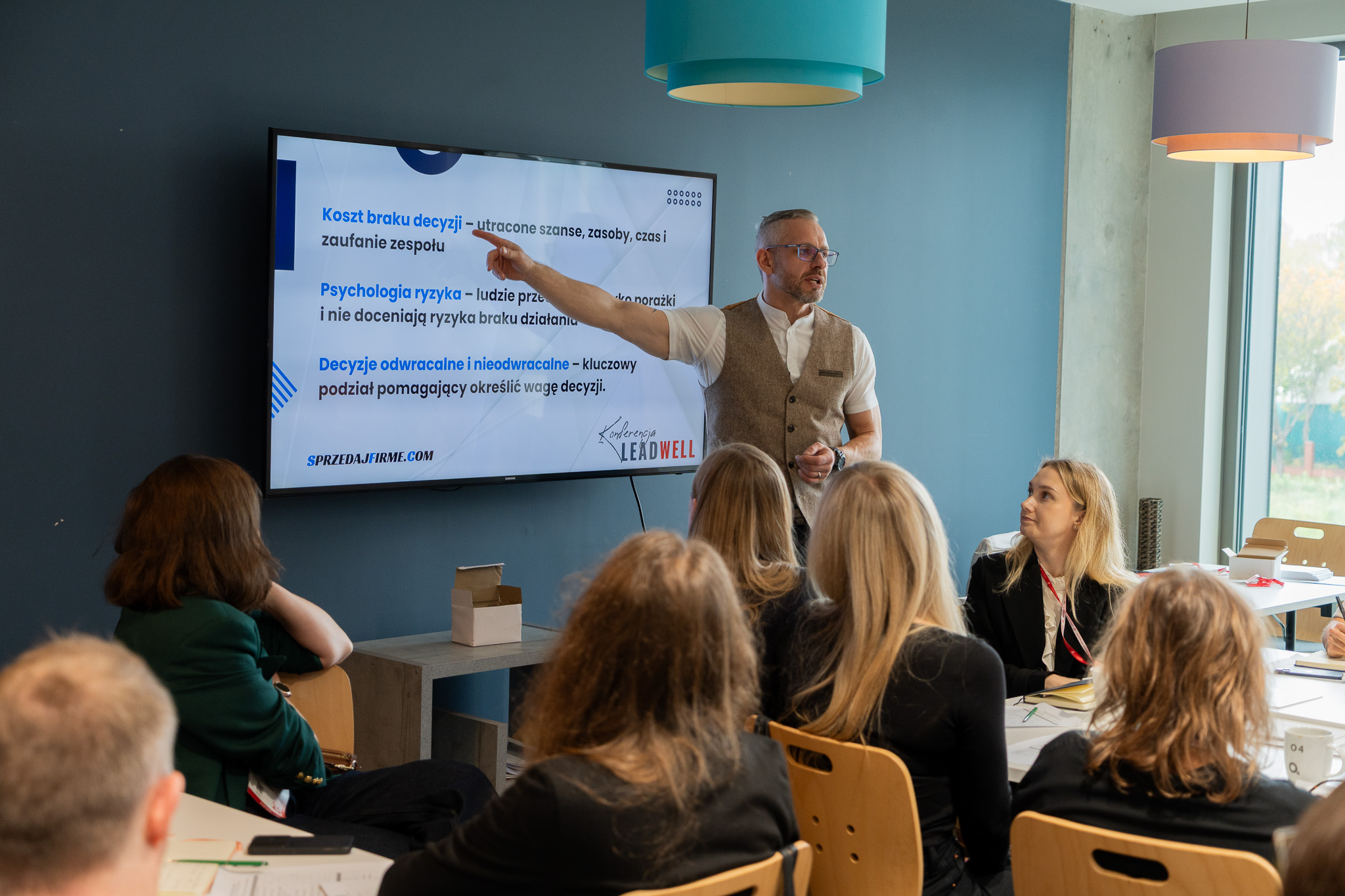
The significance of uniform values among the management cadre is also discussed by Katarzyna Laskowska, Director of the Entrepreneurship Development Department at the Pomeranian Development Agency: In small and medium-sized companies, the way leaders manage people very quickly translates into the daily work of the entire team. That is why it is worthwhile for owners, leaders, and managers to develop together, exchange experiences, and build a common approach to communication, responsibility, and decision-making. The more coherent the management approach, the fewer misunderstandings, the smoother the cooperation, and the greater the chance that the company will grow without losing a good atmosphere and people’s engagement.
Krzysztof Ratajczyk, Controlling Team Lead at Ergo Finance Global Business Services, speaks similarly on this topic: It is worthwhile to develop managers together, because then it is easier to establish a coherent approach to team management. Standards based on shared experiences help avoid situations in which each leader operates according to different principles. For employees, this means greater predictability, and for the organization, higher efficiency.
As he points out, Marta Moksa there is no single, universally effective management model, but when coherent values are shared by the management cadre, companies emerge from crises more easily: There is no single, simple way to build an effectively functioning team. The process of building a strong team consists of many elements—among them are educational experiences: joint learning of new leadership competencies, co-participation in discussions about the personal development of each member, and use of similar leadership tools. This knowledge formed the basis for developing the theme of the third edition of the LeadWell conference, which will take place this autumn at Olivia Centre in Gdańsk. It will be an excellent opportunity to discuss management effectiveness and new insights drawn from research and the concrete experiences of practitioners. The conference will provide ample opportunity to share real experiences in this area.
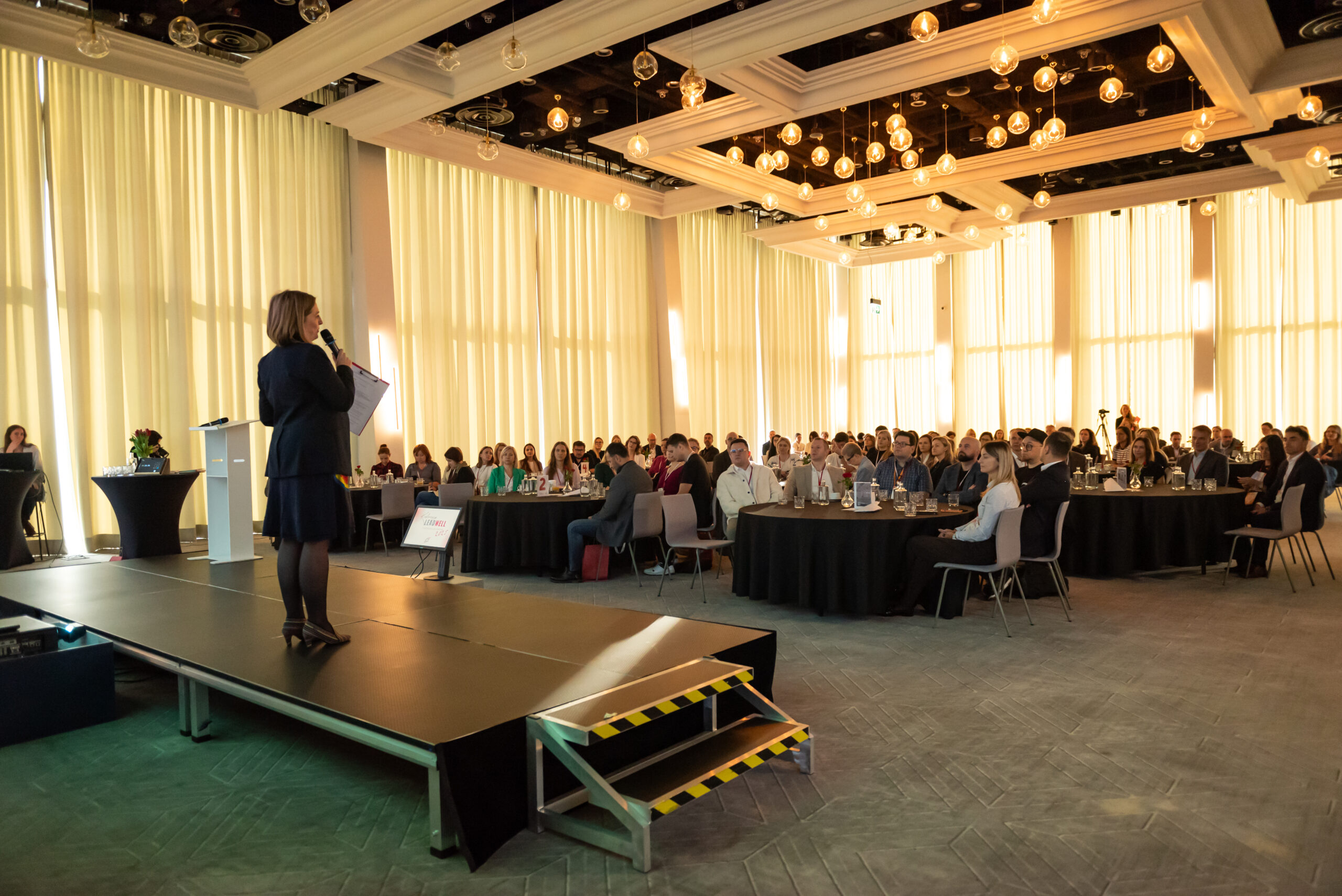
The fundamental idea that guided Marta Moksa, who together with Martyna Czarnobaj-Borowska is the creator of the conference program, was the conclusion that companies develop faster when leaders learn from one another, and the greatest value comes from knowledge about real events, successes, and failures, reported by their actual participants. In my opinion, there was a need for a space for free exchange of knowledge among leaders whose experience constitutes invaluable value for people carrying out similar tasks in their daily work. We wanted to create a field for unconstrained, valuable exchange of thoughts that would allow others to grow and avoid the pitfalls that their colleagues encountered earlier. We believe that the best solutions and conclusions come from dialogue and the opportunity to learn from one another, and that a strong community of leaders translates into business quality. I believe that with this event we are genuinely contributing to improving the working capabilities of managers and the development of companies.
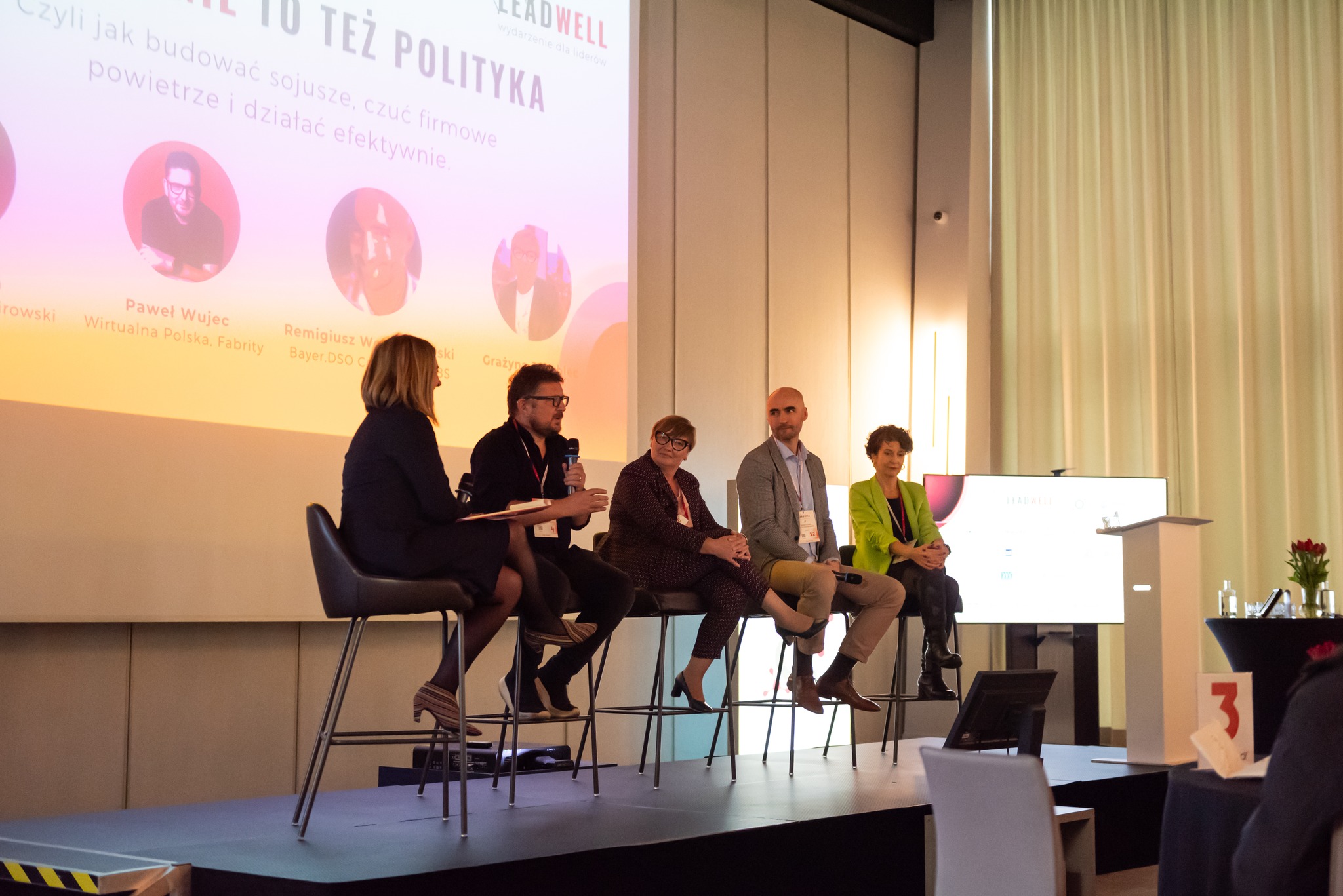
The value of the conference is also discussed by Joanna Oksiucik, Site Lead in Gdańsk from the Risk Operations department at Amazon Corporate Operations, a participant in last year’s edition: Working with distributed employees, diverse team needs, and the rapid pace of change present new challenges for leaders. Trust, good communication, and the ability to build engagement regardless of where we work are becoming crucial today. LeadWell is for us a space for exchanging experiences, inspiration, and conversation about how to lead effectively today.
The third edition of the LeadWell conference will take place at Olivia Centre in Gdańsk on October 21–22, 2026.