


The labor market has changed and we already have a new reality in place? Nothing could be further from the truth. The changes that are yet to come are as significant as those that have appeared as a result of the pandemic. At the Olivia Centre in Gdańsk, Manpower Polska presented its latest report on the labour market, which shows that in the coming years, the key to success will be fast learning and flexible adaptation to change. The year 2026 will bring high expectations of employees, greater selectivity on the part of employers and the growing importance of qualifications.
At O4 Coworking (Olivia Centre), Manpower Polska presented the premiere conclusions from the “Trends and Remuneration Report 2026” and discussed 16 key trends shaping the labour market. The culmination of the meeting was a panel of experts with the participation of Labour Market Experts, which turned into a real discussion – with polemics and references to the report.
Among the 16 key work trends listed in the report were: redefinition of the roles of leaders and employees, as well as work itself, the increase in the importance of AI-assisted work and the use of automation. In the new model of work, there will be an increase in the importance of project work and a demand for employees who are quickly learning new skills. Among the key competencies will be readiness for quick training, the ability to use artificial intelligence and the possession of pre-industrial skills (problem-solving skills, cognitive flexibility, creativity, empathy, self-reflection and a high level of use of interpersonal communication tools).
These trends will be implemented in an environment of changing social norms. The coming years will bring a return to office work, but only until the generation currently accustomed to hybrid work begins to perform high management positions. A decline in confidence related to the decline in the prestige of leaders, geopolitical instability and the unpredictability of climate change will also be of great importance for the labour market, which will translate into job insecurity, increased unrest and political polarisation. The use of automation and artificial intelligence will result in pressure on energy demand, and this will increase the importance of personnel specializing in green energy sources and scaling systems that allow it to be developed.
The authors of the report also point to significant challenges related to changes in business models: the maturity of enterprises will increase the pressure on succession processes in companies. This will be done with the awareness of the talent shortage, demographic decline, decline in professional activity and, as a result, economic uncertainty. Changes in the labour market will also be influenced by the decline in the role of higher education and the lack of ambition and motivation to act as leaders. These factors will result in a decrease in the number of personnel aspiring to take up managerial positions and perform leadership roles, and will affect the possibility of intergenerational transfer of knowledge and skills.
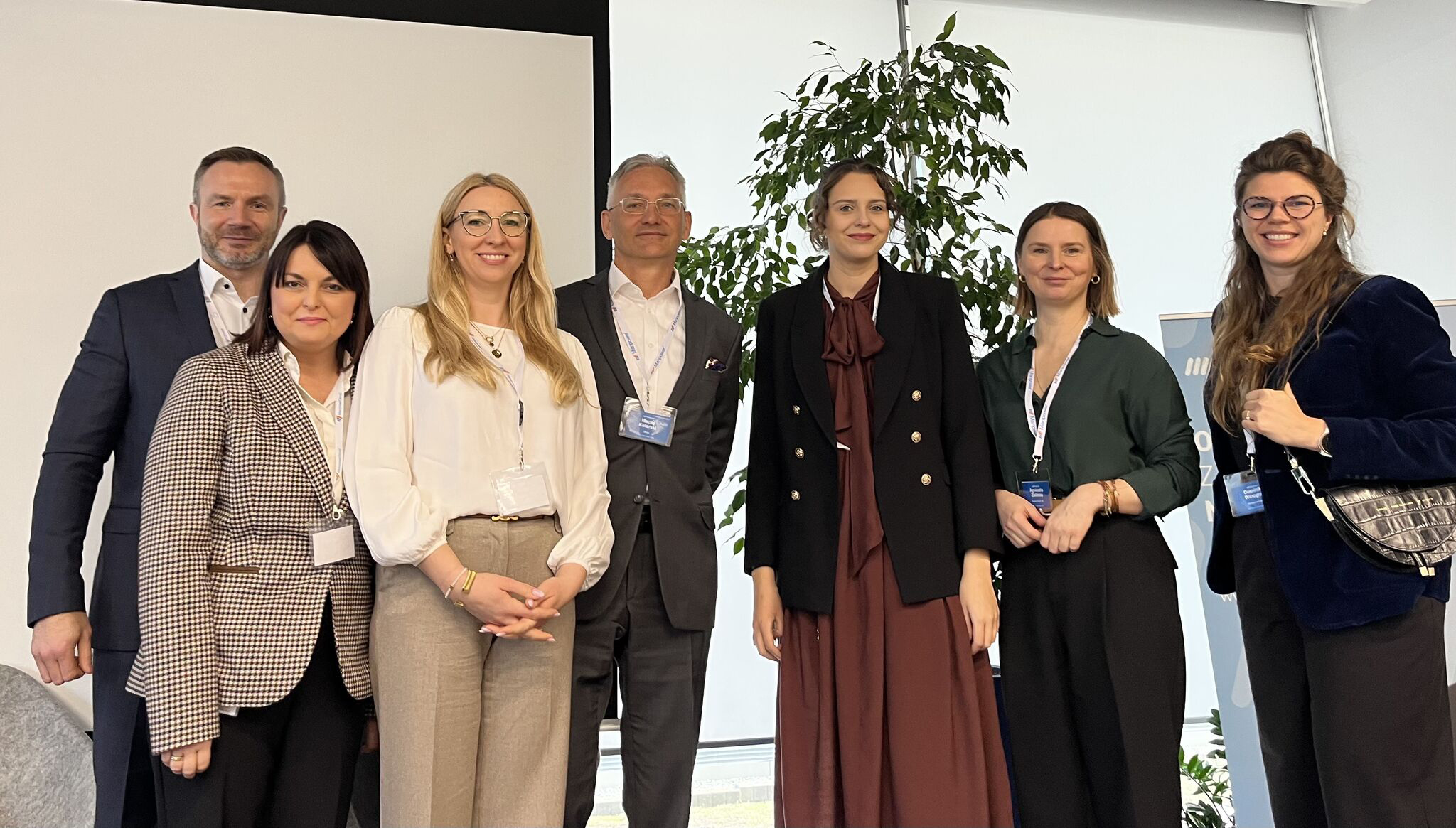
The presentation of the report was summarized in a debate of labour market experts. As he points out, Magdalena Białek, Strategic Account Leader at Manpower the key factors that the HR environment in Poland currently lives by were at the center of the conversations: The participants of the debate devoted a lot of space to the role of IT juniors, the shortage of experienced specialists and the impact of labour market regulations, including internships and forms of employment, on the availability of talent. Attention was drawn to a paradox: with rare participation in formal training, Poles learn intensively on its own, which supports economic growth. Experts also emphasized that in the age of artificial intelligence, HR with the ability to verify competencies is more important than ever. The participants unanimously assessed the meeting as substantive and inspiring, and the number of references to “AI” symbolically showed the scale of technological transformation.
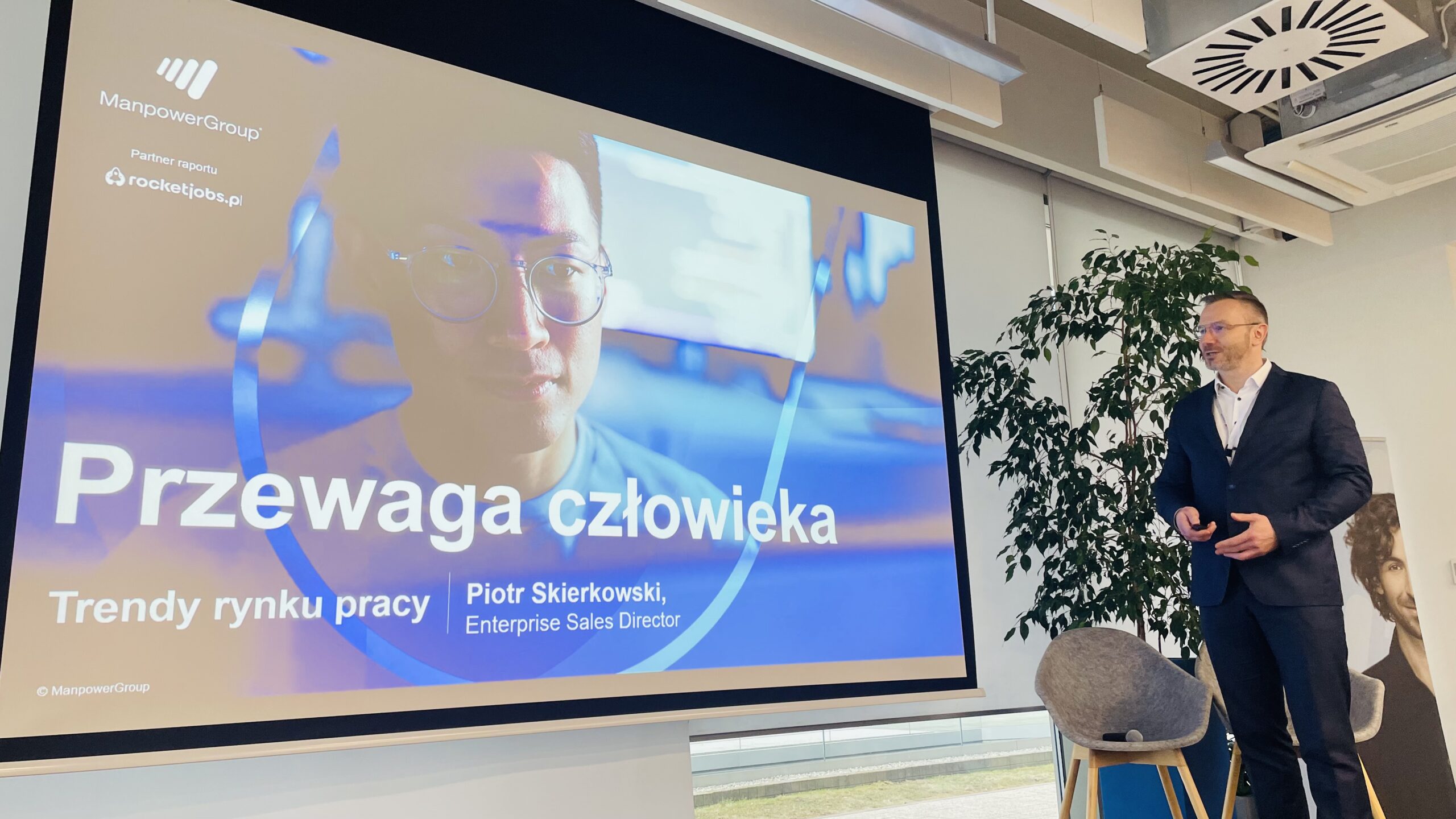
As Maciej Kotarski, director of Olivia Centre, and one of the participants in the debate, emphasizes, one of the most noticeable trends in office work is currently the growing pressure to implement artificial intelligence solutions: These processes move from the experimentation phase to become part of business operations. There are growing expectations that AI-based solutions will become a source of key competitive advantages. Software companies report that their customers have high expectations for AI implementations even when there is no real need for it in a given company. Investments in people with skills to build and operate artificial intelligence are increasing, although the accuracy of many of the models currently available is low for the time being, and the number of errors requires constant human control. At the same time, exchanges are handsomely rewarding companies that are able to effectively and visibly implement AI, e.g. by reducing teams and cutting costs. This is even hitting tech companies and the software services sector, where new tools are making work redundant that recently required months of work by entire teams. Where the reductions are not spectacular, the number of job offers for juniors is decreasing. This process is increasingly reminiscent of technological revolutions, driving huge capital expenditures on infrastructure, data centers, and computing power – emphasizes Maciej Kotarski.
The Trends and Remuneration Report 2026 is available for download on the Manpower Polska website